
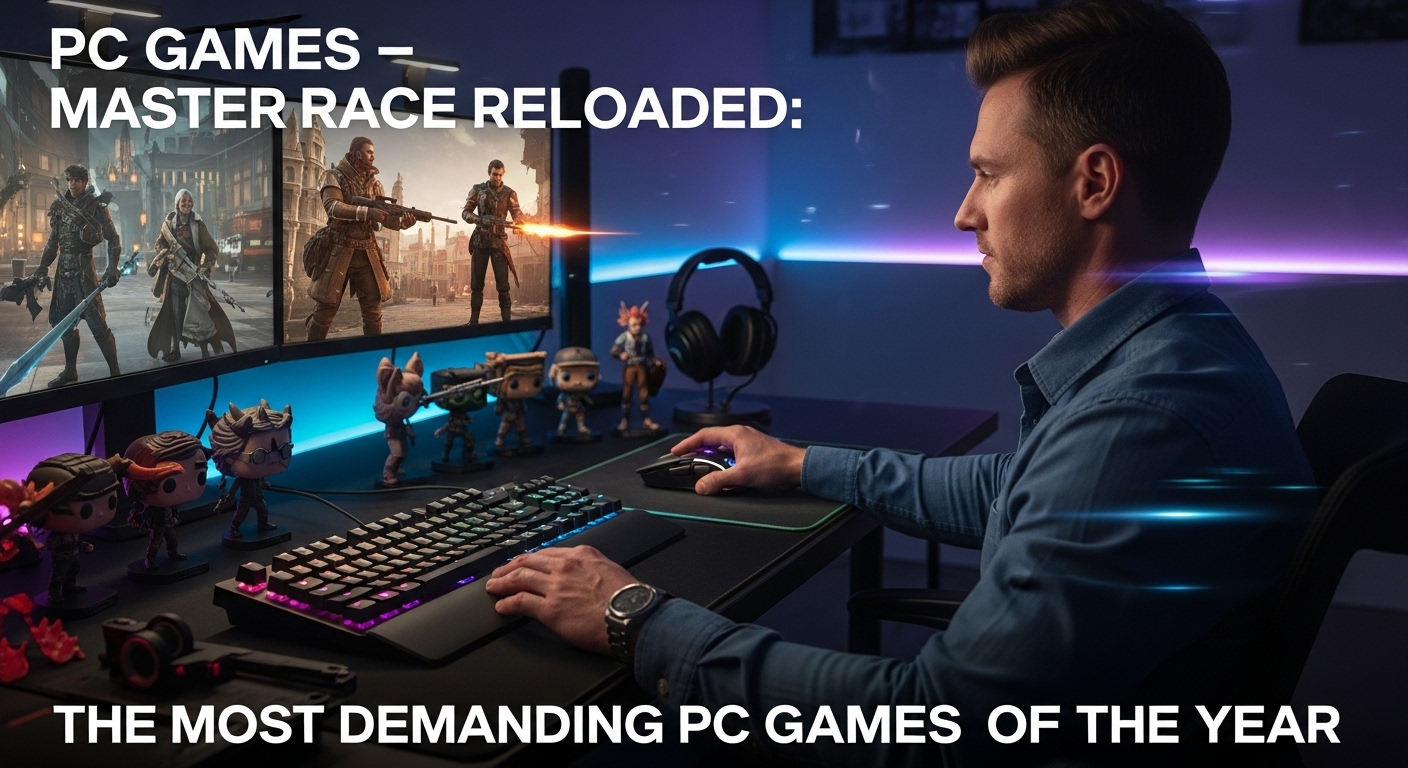
Over the past two decades, esports has transformed from a niche hobby into a worldwide cultural and economic powerhouse. Once considered just casual video game fun, competitive gaming now commands millions of viewers, attracts huge investments, and creates stars rivaling traditional sports athletes. But how did esports rise to such prominence? Let’s explore the journey of this digital revolution and why esports has become a global phenomenon.
From Basement Battles to Massive Arenas
Esports began in the early 2000s as small tournaments among friends and local communities, often hosted in internet cafes or gaming centers. Games like StarCraft in South Korea and Counter-Strike in Europe laid the foundation for competitive gaming, with passionate players and dedicated fanbases.
What started small soon gained momentum as online platforms improved connectivity and accessibility. With the rise of streaming services like Twitch and YouTube Gaming, fans could watch live matches from anywhere in the world. This shift allowed esports to grow beyond local events, reaching global audiences and creating a sense of community for millions of viewers.
Diverse Game Genres and Expanding Audiences
One factor behind esports’ explosive growth is its diversity. Competitive gaming isn’t limited to one style or genre. From real-time strategy (RTS) and first-person shooters (FPS) to multiplayer online battle arenas (MOBA) and sports simulations, esports offers something for every type of player and fan.
Titles like League of Legends, Dota 2, Fortnite, Overwatch, and Call of Duty each bring unique gameplay experiences and attract distinct fan communities. This variety fuels the industry’s expansion by continuously attracting new players and spectators worldwide.
Professionalization and Big Money
The rise of esports as a professional sport has been fueled by significant financial investment. Teams now operate like traditional sports franchises, complete with coaches, analysts, training facilities, and player contracts. Prize pools for major tournaments have reached millions of dollars, with events such as The International (for Dota 2) becoming some of the richest competitions in sports history.
Sponsorships, advertising, and merchandise sales have also skyrocketed. Brands ranging from energy drinks to tech companies see esports as a key channel to reach younger, digitally native audiences. This influx of money has helped stabilize the industry and elevate the players, turning them into celebrities and role models.
The Role of Technology and Streaming
Esports owes much of its success to technological advancements. High-speed internet, powerful gaming hardware, and sophisticated broadcasting tools have made online competitions smooth and entertaining to watch. Streaming platforms allow fans to interact with players and other viewers in real-time, creating a dynamic and engaging experience.
Moreover, innovations such as virtual reality and augmented reality are poised to add new dimensions to competitive gaming, potentially expanding esports’ reach even further.
Cultural Impact and Global Reach
Esports has also influenced popular culture in profound ways. It has bridged gaps between traditional sports, music, fashion, and entertainment. Collaborations between esports stars and mainstream celebrities are common, while major sports leagues and broadcasters now incorporate esports content into their offerings.
Globally, countries like South Korea, China, the United States, and parts of Europe have become esports hubs, with dedicated infrastructures and government support. Universities offer esports scholarships, and professional leagues resemble traditional sports organizations.
Challenges Ahead
Despite its rapid growth, esports faces challenges such as player burnout, regulatory concerns, and the need for standardized governance. Balancing commercial interests with the community’s passion is critical to ensuring sustainable growth.
Conclusion
Esports has evolved from humble beginnings into a vibrant global phenomenon reshaping how we play, watch, and engage with games. Its blend of competition, technology, and culture continues to captivate millions worldwide. As the industry matures, esports is poised to become an even more integral part of the global entertainment landscape, offering thrilling experiences for players and fans alike. The rise of esports is not just about games — it’s about the future of sports and entertainment itself.