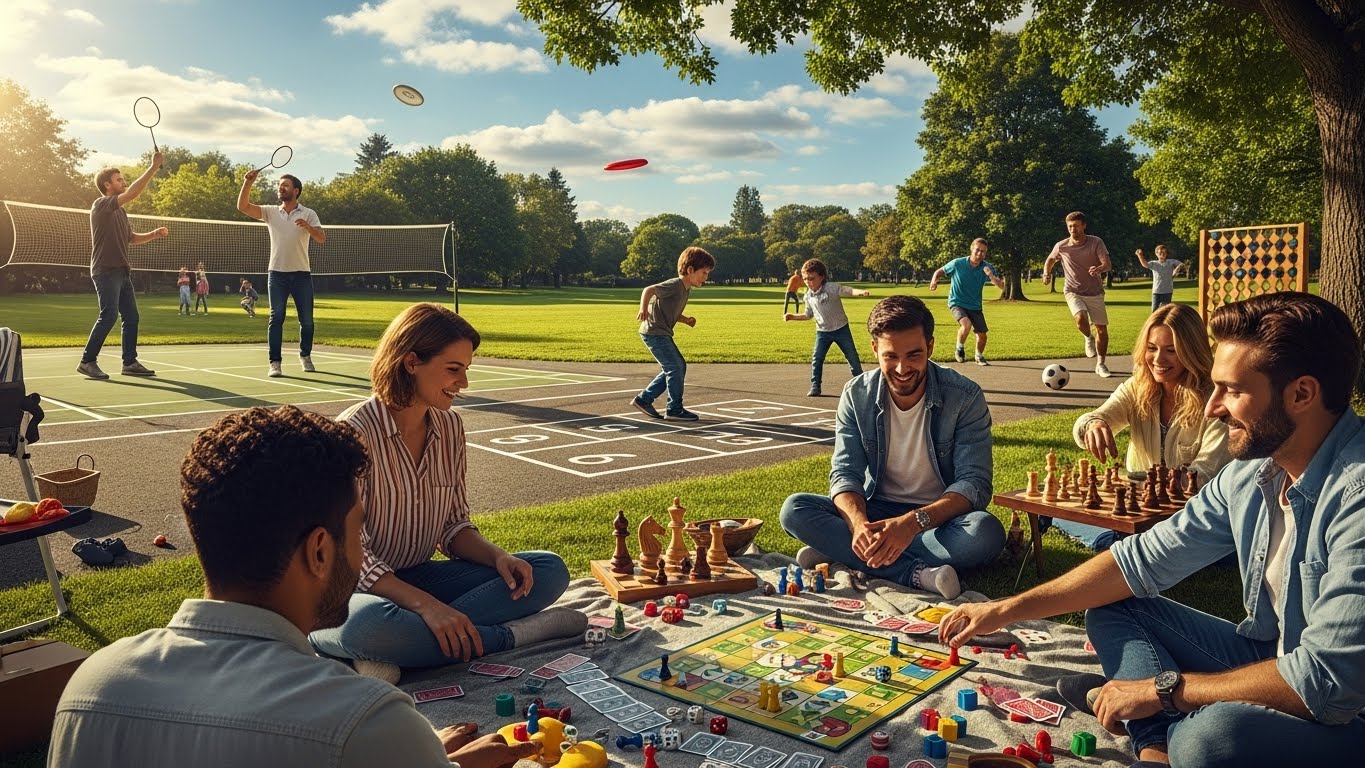
Games have always been an essential part of human life. From the earliest days of civilization to the modern era of digital entertainment, games have evolved into one of the most fascinating aspects of human culture. They bring joy, challenge our minds, and build connections among people across the world. Whether played on a field, on a board, or on a screen, games are more than just a way to pass time—they are a reflection of creativity, competition, and collaboration.
The Evolution of Games Through Time
Games have existed since ancient times. Archaeologists have discovered evidence of board games that date back thousands of years. One of the earliest known games is Senet, played in ancient Egypt around 3100 BCE. The game was not only a source of entertainment but also had spiritual significance. In ancient Mesopotamia, people played the Royal Game of Ur, which is believed to be one of the world’s oldest known board games.
As centuries passed, games evolved alongside human societies. The Greeks and Romans introduced athletic games, which later became the foundation for the modern Olympics. These games celebrated physical excellence and became a symbol of national pride. Meanwhile, in Asia, traditional games like Go, Chess, and Mahjong developed, blending strategy and intellect. These early forms of gaming shaped cultures and influenced generations.
With the invention of cards, dice, and other simple tools, games became even more diverse. Card games became a global sensation, offering endless variations and strategies. Each region developed its own unique set of games, influenced by local traditions and culture. Over time, the idea of gaming expanded from mere pastime to art, sport, and even a profession.
The Rise of Modern Board Games
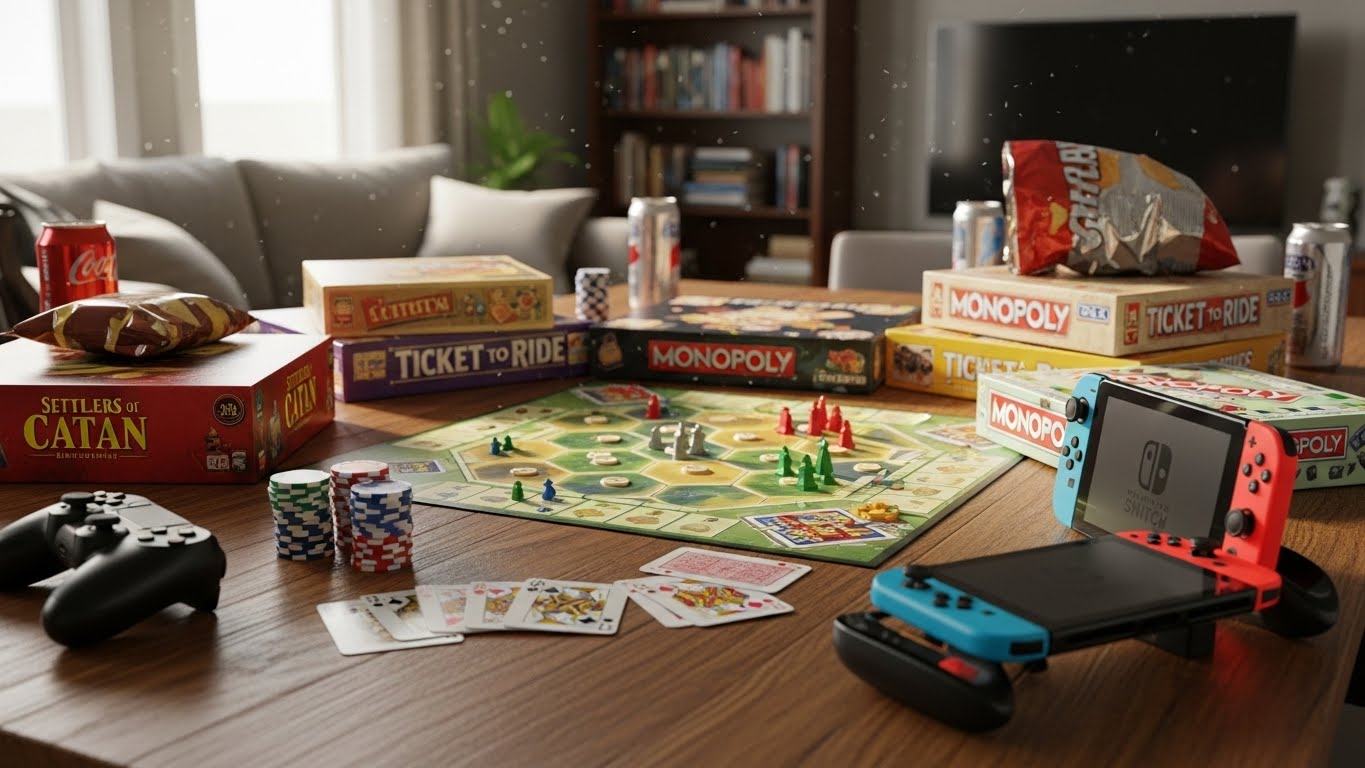
Board games took on new life during the industrial revolution. Manufacturing improvements allowed companies to produce game sets on a large scale. In the 19th and early 20th centuries, classics like Monopoly, Scrabble, and Clue were born. These games became household staples, offering families and friends a fun way to bond.
Monopoly, for instance, teaches basic concepts of economics, property ownership, and negotiation. Scrabble enhances vocabulary and strategic thinking, while Clue exercises deduction and reasoning. These games may seem simple, but their design reflects deep psychological understanding and social interaction.
Board games continue to thrive even in the digital age. Modern creations like Settlers of Catan, Ticket to Ride, and Pandemic have attracted a new generation of players. Today, board gaming is experiencing a renaissance, with thousands of new titles being released each year. These games are not just for children—they’re for anyone who loves a challenge and the joy of shared experiences.
The Birth of Video Games
The biggest revolution in gaming history came with the arrival of video games. In the early 1950s and 1960s, computer scientists began experimenting with interactive entertainment on large machines. The first known video game, “Tennis for Two,” was a simple simulation displayed on an oscilloscope screen. But it was the beginning of something extraordinary.
In 1972, Atari launched Pong, a simple table tennis-style game that became a sensation. From that moment, video games transformed into a booming industry. Arcades appeared in shopping centers and entertainment venues, filled with machines like Pac-Man, Space Invaders, and Donkey Kong. These early titles were easy to learn but difficult to master, capturing the hearts of millions.
As technology advanced, home consoles entered the picture. The Atari 2600, Nintendo Entertainment System, and Sega Genesis brought gaming into people’s living rooms. Suddenly, gaming wasn’t just for arcades—it was for everyone. Children and adults alike found themselves drawn to these pixelated worlds of adventure and competition.
The Golden Age of Gaming
The 1990s are often considered the golden age of video games. This era introduced iconic franchises that remain beloved today. Games like Super Mario, The Legend of Zelda, Final Fantasy, and Sonic the Hedgehog became cultural phenomena. These titles combined creative storytelling, engaging gameplay, and memorable music to create experiences that still resonate with gamers decades later.
During this time, computer games also began to gain popularity. With the rise of personal computers, genres like strategy, role-playing, and simulation flourished. Games such as Doom, Warcraft, and The Sims showcased how computers could deliver unique gaming experiences that consoles couldn’t. The multiplayer aspect of gaming began to emerge, paving the way for online play in the years ahead.
Online Gaming and the Internet Revolution
The internet changed everything. When players could connect and compete with others across the globe, gaming reached new heights. Online multiplayer games became the dominant trend of the 2000s. Titles like Counter-Strike, World of Warcraft, and later Fortnite redefined what it meant to play together.
Online gaming introduced a sense of community that was once unimaginable. Players formed friendships, teams, and even professional organizations. Esports began to grow as competitive gaming became a legitimate career path for skilled players. Millions of fans tuned in to watch tournaments featuring the best gamers in the world.
At the same time, casual gaming found its place through mobile platforms. The arrival of smartphones opened the door to billions of new players. Games like Angry Birds, Candy Crush, and Clash of Clans made gaming accessible to everyone, regardless of age or experience.
The Psychology of Gaming
Why do people play games? The answer is complex and fascinating. Games appeal to our natural instincts for challenge, achievement, and curiosity. They allow us to explore worlds beyond reality, test our skills, and achieve goals that may not be possible in everyday life.
Many studies show that games can improve cognitive abilities such as problem-solving, decision-making, and hand-eye coordination. Strategic games train the brain to think critically, while action games enhance reflexes. Even casual games can help reduce stress and provide emotional satisfaction.
However, gaming also requires balance. Excessive play can lead to negative effects, such as addiction or social isolation. Like any form of entertainment, moderation is key. Healthy gaming habits ensure that players enjoy the benefits without the drawbacks.
Games as Art and Storytelling
In modern times, games have evolved into one of the most powerful storytelling mediums. Unlike books or movies, games allow players to participate in the narrative. They can make choices, shape outcomes, and experience stories from a personal perspective.
Games like The Last of Us, Red Dead Redemption, and Journey have proven that games can be as emotionally impactful as any film or novel. The combination of music, visuals, dialogue, and interactivity creates an experience that no other medium can replicate. Players become part of the story, and that connection is what makes gaming so special.
The artistry of game design is also worth recognizing. Every element—from character models to level design—is the result of creative collaboration. Artists, programmers, writers, and sound designers work together to build immersive worlds. The process of creating a game is a blend of technology and imagination, turning abstract ideas into living, breathing experiences.
Educational and Therapeutic Uses of Games
Beyond entertainment, games have proven to be valuable tools for education and therapy. Educational games make learning fun and interactive, helping students grasp complex subjects through play. Subjects like mathematics, language learning, and history can become engaging through gamified approaches.
Therapeutically, games have been used to help patients recover from injuries, manage stress, and improve mental health. Virtual reality (VR) games, for instance, are used in physical therapy to enhance motor skills and coordination. Certain games also encourage mindfulness and relaxation, providing a mental escape from stress and anxiety.
In recent years, serious games—designed with specific goals beyond entertainment—have gained popularity. These games are used for training, awareness, and skill development in fields like medicine, military, and education.
The Rise of Esports and Competitive Gaming
Competitive gaming has become one of the fastest-growing industries in the world. What began as small tournaments among friends has evolved into massive global events with millions of viewers. Esports players are now recognized as professional athletes, earning sponsorships, salaries, and fame.
Games like League of Legends, Dota 2, and Counter-Strike: Global Offensive have built massive competitive scenes. Major events fill stadiums and attract audiences comparable to traditional sports. The skill, teamwork, and strategy required in esports rival any physical sport, proving that gaming is much more than just a hobby.
Esports has also created career opportunities beyond playing. Commentators, coaches, analysts, and content creators form a thriving ecosystem that supports the industry. Streaming platforms have further fueled this growth, allowing gamers to share their gameplay and build dedicated fanbases.
The Future of Gaming
The future of gaming holds endless possibilities. Technological advances continue to push boundaries, making games more realistic and immersive. Virtual reality and augmented reality are transforming how we interact with digital worlds. Players can now step into virtual spaces, using gestures and movement to control their environment.
Artificial intelligence is also changing the landscape. Smarter game characters, adaptive difficulty, and personalized experiences are becoming common. AI can create dynamic worlds that respond to player actions in unpredictable ways, making each playthrough unique.
Cloud gaming is another major development, allowing players to stream high-quality games without powerful hardware. This innovation removes barriers and makes gaming more accessible than ever. As internet infrastructure improves, more players around the world can join the gaming revolution.
The concept of the “metaverse” is also reshaping the gaming industry. It envisions a shared virtual universe where people can play, work, and socialize. While still in development, it shows how games can become part of a broader digital ecosystem that connects entertainment, creativity, and commerce.
The Social Impact of Games
Games have the power to unite people across cultures and backgrounds. Online communities allow friendships to form regardless of geography. Players collaborate, compete, and communicate, breaking down barriers of language and distance.
Moreover, games often reflect societal issues and encourage discussion. Some titles explore themes of morality, identity, and human nature, prompting players to think deeply about real-world problems. Through these narratives, games can inspire empathy and understanding.
Games also foster creativity. Many games allow players to design their own worlds, levels, and characters. This creativity empowers players to express themselves in new and exciting ways. Titles like Minecraft, Roblox, and Dreams have given rise to entire communities of creators who use gaming as an art form.
Conclusion
Games are more than just entertainment—they are a cultural force that continues to shape the modern world. From ancient board games to virtual reality experiences, they have evolved alongside humanity, reflecting our need for challenge, connection, and creativity.
In every form, games teach us something about ourselves and the world around us. They encourage teamwork, stimulate our minds, and provide joy in moments of leisure. Whether you are a casual player or a dedicated gamer, the magic of games lies in their ability to transport us to different worlds, teach valuable lessons, and connect us with others in ways nothing else can.
The story of games is the story of humanity itself—a journey of imagination, innovation, and endless fun that will continue to evolve for generations to come.