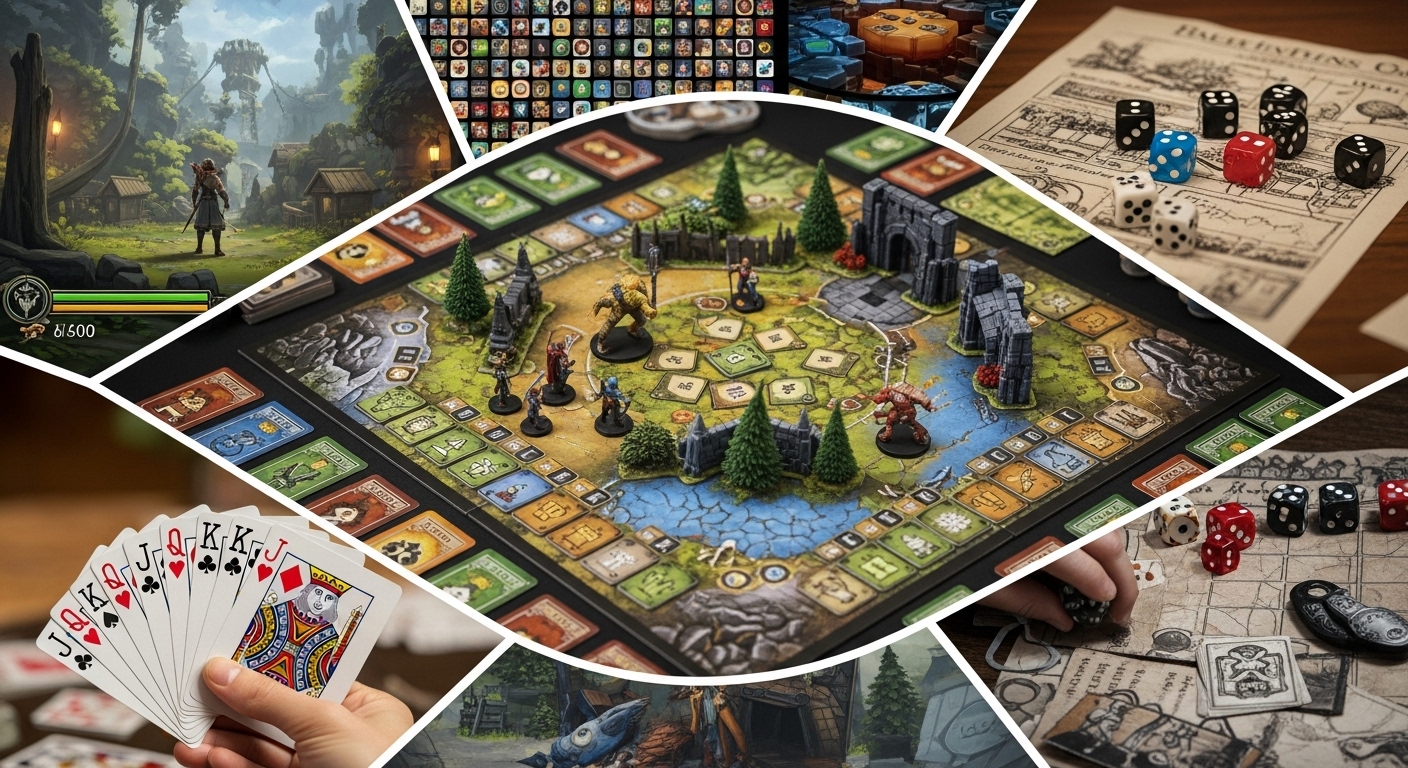
Games have always been a part of human culture, from simple board games and outdoor sports to complex video games and virtual reality experiences. They provide more than entertainment—they foster creativity, strategy, social connection, and even learning. Over the years, games have evolved from physical pastimes to immersive digital worlds that capture the imagination of millions worldwide. This blog explores the evolution of games, their impact on culture, the psychology behind playing, and the future of gaming in modern entertainment.
The History and Evolution of Games
Games are as old as human civilization. Ancient societies played games like Senet in Egypt, Go in China, and dice games in Mesopotamia. These early games were not only entertainment but also ways to develop strategy, socialize, and teach life skills.
In the 20th century, board games and card games became popular forms of family entertainment. Monopoly, Chess, and Poker provided both challenge and enjoyment while strengthening social bonds. With the advent of computers and video gaming in the 1970s and 1980s, the gaming industry transformed completely. Simple arcade games evolved into complex consoles and PC games, introducing interactive storytelling, multiplayer competitions, and immersive worlds that continue to expand today.
Video Games: Interactive Storytelling and Immersion
Video games represent one of the most significant shifts in modern gaming. Unlike traditional games, they combine graphics, sound, and interactivity to create immersive experiences. From role-playing games to action-adventure and simulation games, video games offer players the chance to explore virtual worlds, solve challenges, and engage in dynamic storytelling.
Games like The Legend of Zelda, Final Fantasy, and Grand Theft Auto have influenced popular culture, inspiring movies, books, and merchandise. Video games are not only entertainment; they are a medium for narrative exploration and emotional engagement, allowing players to experience stories in ways that traditional media cannot replicate.
The Rise of Online and Multiplayer Games
The internet revolutionized gaming by introducing multiplayer and online platforms. Players can now compete or cooperate with others globally, creating communities and fostering social interaction. Online games like Fortnite, League of Legends, and Counter-Strike have become cultural phenomena, offering competitive leagues, live events, and streaming communities.
Multiplayer games combine strategy, communication, and skill, providing an engaging experience that goes beyond solo play. They also foster global connections, as players from different countries interact, compete, and collaborate in shared virtual spaces. Online gaming has transformed games into social experiences as much as entertainment.
Mobile Gaming: Games in the Palm of Your Hand
Mobile technology has further expanded the accessibility of games. Smartphones and tablets allow people to play games anywhere, anytime, from casual puzzle games to competitive esports titles. Games like Candy Crush, Pokémon GO, and Among Us have reached audiences of all ages, demonstrating the universal appeal of mobile gaming.
Mobile games often incorporate social features, such as sharing achievements, connecting with friends, and participating in global challenges. The convenience and accessibility of mobile gaming have made it one of the fastest-growing sectors in the entertainment industry.
Board Games and Tabletop Gaming: The Classic Experience
While digital games dominate modern entertainment, board games and tabletop gaming continue to thrive. Chess, Settlers of Catan, Dungeons & Dragons, and Monopoly remain popular for their social and strategic elements. These games encourage critical thinking, teamwork, and creativity while providing a break from screens.
Tabletop role-playing games, in particular, have experienced a resurgence, allowing players to create unique stories and collaborate in imaginative worlds. Board and tabletop games demonstrate that traditional forms of play still hold significant value in a digital age.
The Psychology Behind Gaming
Games are engaging because they fulfill fundamental psychological needs. They provide challenges, rewards, and goals, creating a sense of achievement and progression. Games also offer escapism, allowing players to explore alternative realities and experience scenarios beyond everyday life.
Social interaction is another key factor. Multiplayer games and cooperative challenges provide opportunities to form friendships, develop teamwork skills, and feel part of a community. Cognitive benefits, including problem-solving, memory enhancement, and strategic thinking, are often associated with regular gaming. Understanding the psychology behind gaming helps explain why it is both entertaining and beneficial.
Esports: Competitive Gaming as Entertainment
Esports has transformed competitive gaming into a professional entertainment industry. Players train rigorously, participate in tournaments, and compete for prize money and recognition. Games like Dota 2, League of Legends, and CS:GO have created global leagues, professional teams, and fan communities that rival traditional sports in scale and excitement.
Esports also demonstrates the cultural significance of games. It brings together players and audiences from around the world, fosters community engagement, and creates a shared sense of achievement and excitement. Competitive gaming has elevated games from a casual pastime to a professional and social phenomenon.
Educational and Cognitive Benefits of Gaming
Beyond entertainment, games can offer educational and cognitive benefits. Strategy and puzzle games improve problem-solving and critical thinking skills, while role-playing games enhance creativity and imagination. Educational games are designed to teach subjects like math, language, and science, making learning interactive and enjoyable.
Simulations and strategy games also develop planning, resource management, and decision-making abilities. Gaming, when balanced with other activities, can contribute positively to mental agility, learning, and personal growth.
The Social and Cultural Impact of Games
Games influence culture in numerous ways. They inspire art, literature, fashion, and media, reflecting societal values and trends. Video games often tackle themes like morality, politics, and human experience, allowing players to explore complex topics in interactive ways.
Socially, games bring people together across age, gender, and geography. Online communities, tournaments, and collaborative challenges foster connections that extend beyond the game itself. Games have become a shared cultural language, shaping conversations, identities, and social interactions worldwide.
The Business of Gaming
The gaming industry is a massive economic force. Revenue comes from console sales, PC and mobile games, subscriptions, in-game purchases, and merchandising. Major companies invest heavily in research, development, marketing, and community engagement to maintain competitiveness.
The industry also supports jobs in development, design, esports, streaming, and marketing. With technology continuing to evolve, gaming remains one of the most dynamic and influential sectors in global entertainment. Its combination of creativity, innovation, and economic impact underscores its importance in modern culture.
Challenges in Modern Gaming
Despite its popularity, gaming faces challenges. Addiction, excessive screen time, and exposure to inappropriate content are concerns for parents, educators, and policymakers. Balancing entertainment with responsibility is critical for healthy gaming habits.
Diversity and inclusion are also key challenges. The gaming community and industry have made strides toward broader representation, but continued efforts are needed to ensure that all players feel welcome and respected. Addressing these challenges is essential for the continued growth and positive impact of games.
The Future of Gaming
The future of gaming promises innovation and immersion. Virtual reality and augmented reality are creating experiences that blend digital and physical worlds. Artificial intelligence allows games to adapt dynamically, providing personalized challenges and narratives. Cloud gaming will make high-quality experiences accessible without expensive hardware, while cross-platform play will unite players across devices.
Gaming is likely to continue merging with other forms of entertainment, such as films, music, and esports, creating interconnected and immersive experiences. Its evolution will be driven by technology, creativity, and the ever-changing expectations of players worldwide.
Why Games Will Always Matter
Games are more than a pastime; they are a vital part of human culture. They provide entertainment, education, social connection, and cognitive stimulation. From board games and puzzles to online multiplayer platforms and esports, games offer experiences that engage the mind, challenge skills, and inspire creativity.
In an increasingly digital and fast-paced world, games remain a universal form of entertainment and interaction. Their ability to adapt, innovate, and connect people ensures that games will continue to shape culture, influence society, and provide enjoyment for generations to come.