
Introduction
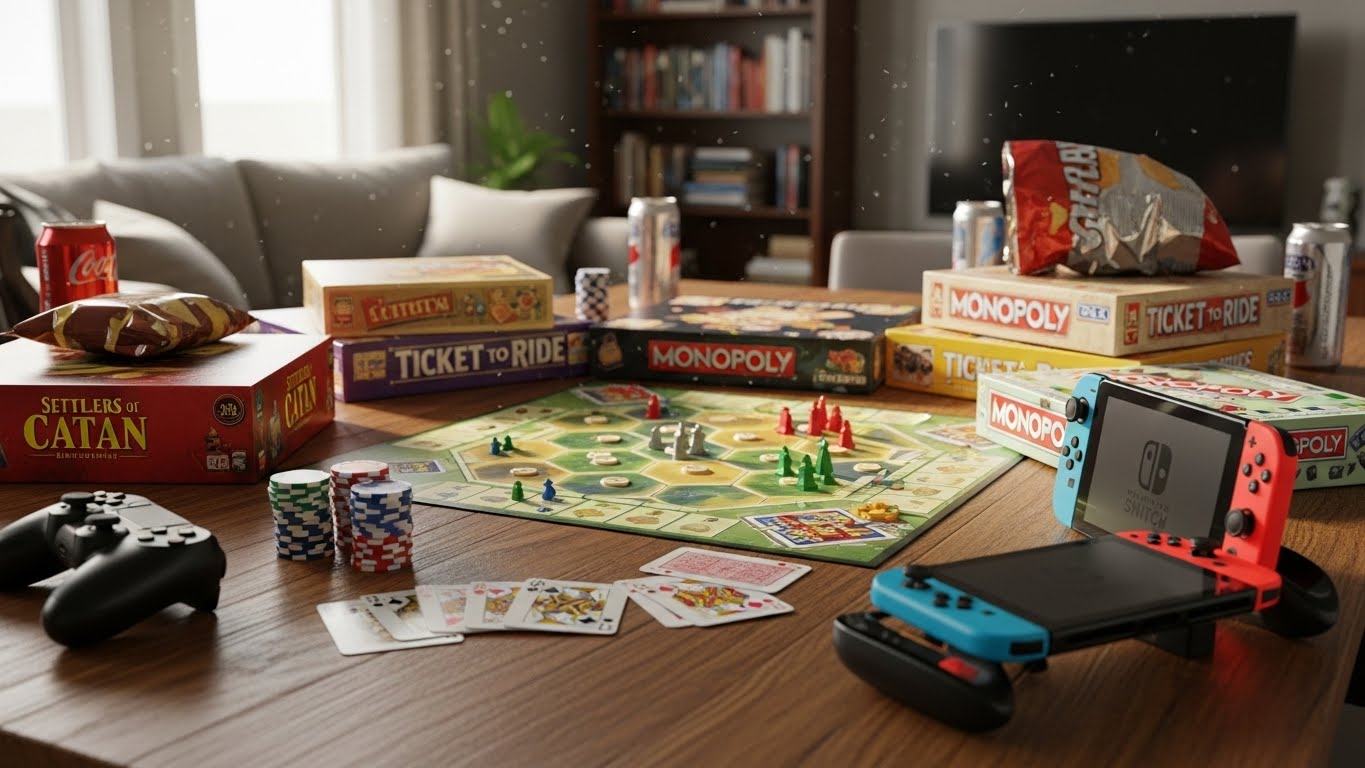
Games have been an essential part of human culture for thousands of years. From the ancient board games of Egypt to the vast, immersive virtual worlds of today, games have evolved far beyond simple entertainment. In the modern era, gaming is not just a form of recreation—it has become a driving force in technology, education, and social interaction. It connects people across the globe, fosters creativity, and even influences culture and economy. As we dive deeper into the 21st century, it’s evident that the gaming industry is more dynamic than ever, constantly changing to adapt to new technology and trends.
In this blog post, we will take a closer look at how games have evolved over time, the impact they have on individuals and society, and where the future of gaming might be headed.
The History of Games: From Ancient Pastimes to Digital Revolution
Games are not a new phenomenon. They have existed in some form for thousands of years. The first known games were simple board games, such as Senet from ancient Egypt, which dates back to around 3100 BCE. These early games were often used for leisure, but they also had cultural and religious significance. Games such as Go in China and Chaturanga in India, which later influenced the development of chess, are some of the most iconic examples of ancient strategy games that still enjoy popularity today.
The real revolution in gaming began in the 20th century, when technology allowed the creation of electronic games. In the 1950s and 1960s, early computer scientists developed the first video games, like Tennis for Two and Spacewar! These games were far from the visually complex experiences we have today, but they laid the groundwork for the digital entertainment industry. In 1972, Atari released Pong, one of the first commercially successful video games. This marked the beginning of the video game industry as we know it.
By the 1980s and 1990s, video gaming had become a mainstream pastime. The development of home consoles like the Atari 2600 and the Nintendo Entertainment System (NES) brought video games into living rooms around the world. As gaming technology advanced, so did the complexity and richness of the games themselves. The 3D graphics revolution in the 1990s, as exemplified by titles like Super Mario 64, transformed the industry, offering players immersive experiences that felt more like real worlds.
The digital age has brought online multiplayer games, mobile gaming, and augmented and virtual reality (AR/VR) into the mainstream, signaling a new chapter in the evolution of games. Today, gaming is an entertainment juggernaut, with video games generating billions of dollars in revenue every year.
The Different Types of Games: From Simple Fun to Complex Experiences
The world of gaming is vast and diverse, with games catering to all types of players. As technology has advanced, so too have the genres and experiences within the gaming world. Here are some of the most prominent genres in the modern gaming landscape:
1. Action and Adventure Games
Action games focus on physical challenges, including hand-eye coordination, reflexes, and reaction time. These games are often fast-paced and involve combat, platforming, or obstacle navigation. Some action games, like Grand Theft Auto or God of War, combine storytelling and action, offering players an exciting and engaging experience.
Adventure games, on the other hand, are more focused on exploration and narrative. They often emphasize solving puzzles, interacting with characters, and progressing through a storyline. The Legend of Zelda and Uncharted are iconic examples of adventure games that offer thrilling tales and immersive worlds for players to dive into.
2. Role-Playing Games (RPGs)
Role-playing games (RPGs) allow players to take on the roles of characters in fictional settings, often featuring expansive worlds and intricate storylines. In RPGs, players develop their characters, making choices that affect their abilities and the progression of the story. Some RPGs are set in fantastical worlds, while others take place in more realistic settings. Popular RPGs like The Witcher 3: Wild Hunt, Final Fantasy, and Skyrim are known for their vast, open worlds, deep narratives, and character customization options.
One subgenre of RPGs is the massively multiplayer online role-playing game (MMORPG), where thousands of players can interact with each other in real-time within a persistent virtual world. World of Warcraft is a prime example of an MMORPG that has shaped the gaming landscape for over a decade.
3. Strategy Games
Strategy games require players to think critically, plan their moves, and make tactical decisions. These games often revolve around resource management, military combat, and long-term decision-making. StarCraft, Civilization, and Age of Empires are notable examples of real-time and turn-based strategy games where players must outsmart their opponents and manage resources efficiently.
Strategy games are popular among players who enjoy slow, deliberate gameplay and the challenge of outwitting their opponents. These games often require patience, planning, and strategic thinking, making them mentally engaging and rewarding.
4. Simulation Games
Simulation games attempt to replicate real-world activities, often giving players control over complex systems or environments. These games can range from managing a farm in Stardew Valley to building and managing a city in SimCity or Cities: Skylines. The Sims is one of the most famous simulation game series, allowing players to control the lives of virtual characters.
Some simulation games also delve into specific activities, such as flying an airplane in Microsoft Flight Simulator or racing cars in Gran Turismo. These games often provide an accurate representation of real-world systems, offering players a chance to learn and experience various aspects of life and technology.
5. Sports and Racing Games
Sports and racing games focus on recreating the excitement of real-world sports and competitions. Whether it’s football, basketball, soccer, or racing cars, these games allow players to step into the shoes of their favorite athletes or drivers. FIFA, NBA 2K, and Madden NFL are some of the most popular sports games, offering players the chance to compete in realistic virtual tournaments and leagues.
Racing games like Gran Turismo and Forza Horizon give players the chance to race cars on detailed tracks, while offering deep customization options and realistic driving experiences.
6. Puzzle Games and Indie Games
Puzzle games challenge players to think logically, solve problems, and complete tasks within a set of rules. These games are often simple in mechanics but require significant thought and patience. Tetris, Portal, and Candy Crush are some of the most popular puzzle games in the world, with a wide appeal due to their accessibility and addictive nature.
Indie games, developed by small studios or independent creators, often push the boundaries of creativity, offering innovative mechanics and unique stories. Games like Undertale, Celeste, and Hollow Knight have gained critical acclaim for their artistry and creativity, proving that a small team or even a solo developer can make a significant impact on the industry.
The Social Impact of Games: Beyond Entertainment
While games have traditionally been seen as a form of entertainment, their influence extends far beyond the screen. In recent years, games have become a powerful tool for social interaction, education, and even mental health.
1. Building Communities
Online multiplayer games have transformed the way people connect with one another. Games like Fortnite, League of Legends, and Minecraft allow players from around the world to interact, collaborate, and compete in real time. These games foster communities where players can form friendships, join guilds, and participate in global events. In some cases, gaming communities have even led to the formation of social movements and charitable causes.
2. Educational Value
Games are increasingly being used in educational contexts to teach a wide range of subjects, from mathematics and history to coding and problem-solving. Educational games can make learning fun and interactive, providing students with hands-on experiences that go beyond traditional textbooks. Games like Minecraft Education Edition and Kerbal Space Program have been used to teach concepts such as engineering, physics, and creativity.
3. Mental Health Benefits
Gaming can also have a positive impact on mental health. For many players, games offer an escape from the stresses of daily life, providing a sense of relaxation and accomplishment. Some games, like Hellblade: Senua’s Sacrifice, tackle mental health issues directly, raising awareness about conditions such as psychosis and helping to destigmatize these topics. Additionally, certain games are designed specifically for relaxation, mindfulness, and stress relief.
The Future of Gaming: What Lies Ahead?
As technology continues to advance, the future of gaming looks brighter than ever. Several trends are shaping the future of the industry, and we can expect new experiences that push the boundaries of what games can achieve.
1. Virtual Reality (VR) and Augmented Reality (AR)
Virtual reality and augmented reality are two technologies that will likely define the future of gaming. VR allows players to fully immerse themselves in digital worlds, experiencing them as though they are physically present. AR, on the other hand, blends virtual elements with the real world, creating interactive experiences that can enhance our perception of reality. With companies like Oculus and Sony investing heavily in VR, it’s only a matter of time before these technologies become mainstream.
2. Cloud Gaming
Cloud gaming is another innovation that will shape the future of gaming. With cloud gaming, players can stream games directly from the cloud, eliminating the need for powerful consoles or PCs.