
Introduction: The Enduring Appeal of Games
Games have been an integral part of human life for centuries, spanning cultures, continents, and generations. From the earliest dice rolls in ancient civilizations to modern digital gaming experiences, games have consistently offered entertainment, challenge, and social connection. They are more than a pastime; games are a reflection of human creativity, strategy, and curiosity.
In today’s fast-paced world, games have evolved beyond simple amusement. They engage minds, build communities, and even influence education and professional development. Whether played on a board, a field, or a screen, games continue to hold a unique place in our lives.
The Evolution of Games Through History
Games are as old as civilization itself. Archaeological evidence suggests that board games existed in ancient Egypt, with games like Senet dating back thousands of years. Dice games and strategic war simulations were common in Mesopotamia, while ancient China saw the rise of Go, a game that remains popular to this day.
As societies developed, games adapted to reflect cultural values and technological advancements. Chess, emerging in India and later spreading worldwide, introduced deep strategic thinking. Traditional sports such as soccer, wrestling, and archery not only provided entertainment but also trained physical skills necessary for survival and community defense.
The 20th century brought significant transformations in gaming. Card games, board games, and arcade machines offered new ways to challenge the mind and body. With the advent of computers, video games emerged, creating virtual worlds where imagination and strategy could flourish on a global scale. Today, games exist in almost every form imaginable, from mobile apps to massive online multiplayer universes.
Games as Tools for Cognitive Development
One of the most significant benefits of games is their impact on cognitive abilities. Strategic games such as chess, Sudoku, and puzzle-based video games enhance critical thinking, problem-solving, and planning skills. They encourage players to consider multiple outcomes, anticipate moves, and adapt strategies on the fly.
Role-playing games provide additional cognitive benefits by challenging players to make decisions under uncertainty. Players must weigh risks, manage resources, and understand complex systems to succeed. These skills often translate to real-life problem-solving, making games not only fun but also intellectually enriching.
Even casual games can improve memory, attention, and mental flexibility. Repetition, pattern recognition, and quick decision-making in gameplay stimulate the brain, keeping it active and engaged. In many ways, games are mental exercises disguised as entertainment.
The Social Dimension of Games
Games have always been social experiences. From childhood playground games to competitive sports, they foster interaction, teamwork, and communication. Multiplayer video games allow people to connect across continents, forming alliances, rivalries, and communities. These virtual interactions often mirror real-world social dynamics, teaching cooperation, negotiation, and leadership.
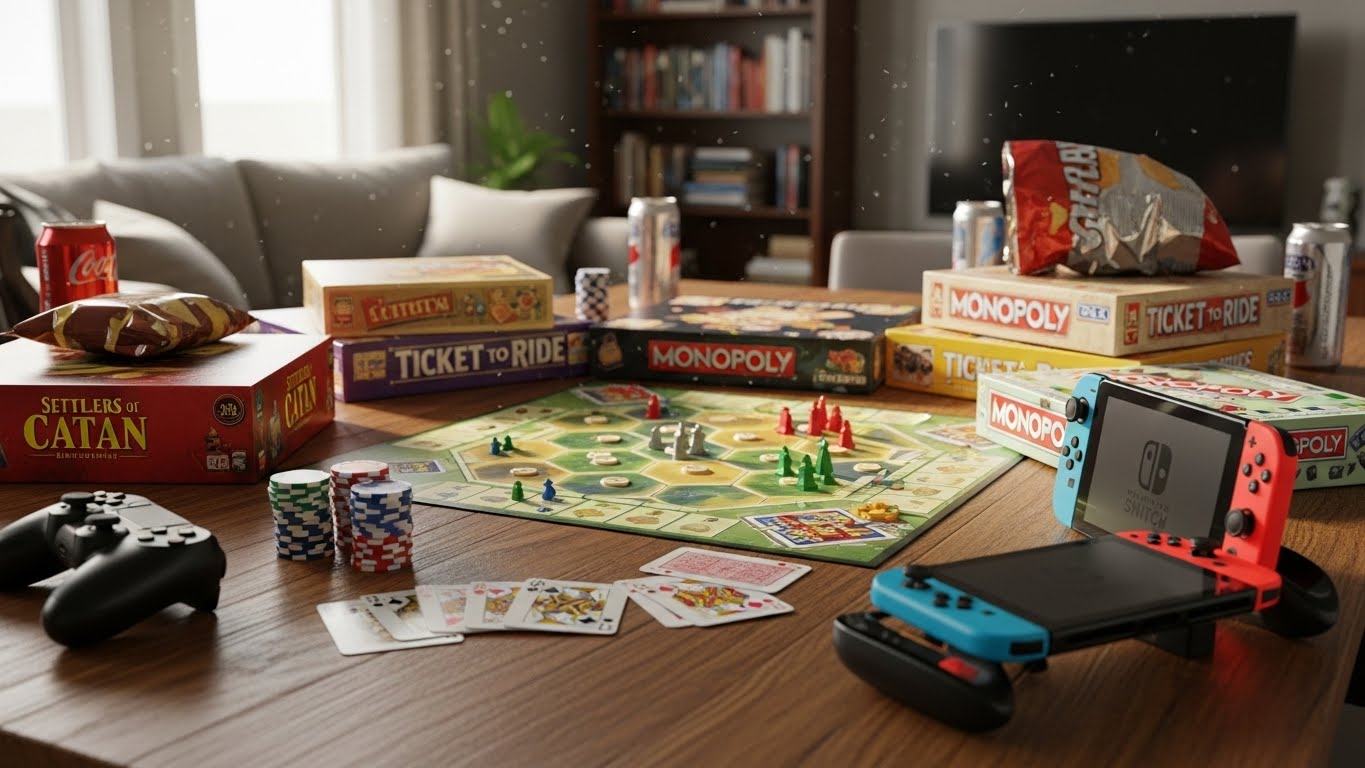
Board games, card games, and tabletop role-playing games encourage face-to-face interaction, storytelling, and collaborative problem-solving. They bring families and friends together, creating shared memories and traditions. Social aspects of gaming are not only enjoyable but essential for building empathy and understanding among players.
Games also offer a platform for cultural exchange. International tournaments, online multiplayer servers, and global communities expose players to diverse perspectives, languages, and customs. Through play, people gain insight into other cultures and broaden their worldview.
Games as a Reflection of Culture
Games are more than entertainment; they are a mirror of society. Many traditional games reflect cultural values, myths, and social structures. For example, traditional Japanese games often emphasize strategy and patience, while games from other regions might focus on agility, luck, or storytelling.
Modern games continue this tradition. Video games, in particular, explore complex narratives, ethical dilemmas, and historical events. They allow players to experience alternative realities, understand moral consequences, and engage with ideas that extend beyond their own experiences. Games can challenge stereotypes, introduce new ways of thinking, and inspire social change.
Even sports and esports serve as cultural markers. Iconic competitions, teams, and athletes become symbols of national pride, community identity, and cultural expression. Games, in every form, are a way for society to express itself and preserve its stories.
Games and Technology: A Revolution in Play
Technology has transformed the way people play games. The digital era has introduced immersive experiences that were unimaginable just a few decades ago. Video games now feature realistic graphics, complex storylines, and interactive mechanics that adapt to player choices. Virtual reality and augmented reality take this immersion further, allowing players to physically step into game worlds.
Mobile games have made gaming accessible to millions, turning waiting rooms, commutes, and breaks into opportunities for play. Online multiplayer games connect players globally, creating massive virtual communities where social interaction and competition coexist.
Artificial intelligence in games has enhanced challenges, creating opponents that learn and adapt to player strategies. Game design has become an art form, combining storytelling, technology, psychology, and visual aesthetics to craft unforgettable experiences.
Physical and Mental Health Benefits of Games
While often perceived as leisure, games can have positive impacts on physical and mental health. Active games, sports, and fitness-based digital games promote physical activity, coordination, and overall wellness. Participating in competitive sports improves endurance, reflexes, and team skills.
Mental benefits are equally significant. Engaging with games reduces stress, provides emotional release, and encourages creativity. Many games incorporate puzzles, challenges, and narratives that stimulate imagination and critical thinking. They also provide a safe environment to experiment, fail, and try again, fostering resilience and perseverance.
Additionally, games can offer therapeutic benefits. Specially designed games support cognitive rehabilitation, social skill development, and emotional regulation for people of all ages. In many ways, play is not just fun—it is essential for holistic well-being.
The Economic and Professional Impact of Games
The gaming industry has grown into a multi-billion-dollar global enterprise, influencing economies, careers, and professional opportunities. Video game development requires artists, programmers, storytellers, marketers, and designers, creating diverse career paths. Esports athletes compete professionally, earning recognition, sponsorships, and substantial incomes.
Gaming also drives innovation in technology, storytelling, and user experience. Advances in graphics, artificial intelligence, and interactive design often originate in game development before spreading to other industries. The economic impact of games is not limited to developers; it also includes tournaments, merchandise, streaming platforms, and content creation, creating a vast ecosystem of opportunities.
Games as an Educational Tool
Games are increasingly recognized as powerful educational tools. Educational games teach subjects ranging from mathematics and history to language skills and science. Gamified learning leverages competition, rewards, and interactive mechanics to make learning engaging and effective.
Simulations and strategy games allow players to explore real-world scenarios in a controlled environment. They develop skills such as resource management, negotiation, and systems thinking. Even casual games can enhance focus, problem-solving, and memory, making learning a natural part of play.
By combining fun and education, games offer an alternative approach to traditional methods, appealing to learners of all ages and backgrounds. They demonstrate that knowledge and skill development do not have to be tedious—they can be an adventure.
The Future of Games
The future of games promises even more exciting developments. Virtual reality, augmented reality, and mixed reality experiences will become more immersive and widespread. Artificial intelligence will create adaptive and personalized gameplay experiences, responding to individual player choices and preferences.
Social aspects of gaming will continue to grow, with global communities becoming more connected through shared experiences. Games will also expand into areas like mental health, education, and professional training, demonstrating their versatility beyond entertainment.
As games evolve, one thing remains constant: their ability to inspire creativity, foster connection, and provide joy. The possibilities are endless, limited only by imagination and innovation.
Conclusion: The Enduring Power of Play
Games are far more than a pastime. They are a reflection of human culture, creativity, and connection. From ancient board games to modern virtual worlds, games challenge our minds, nurture social bonds, and entertain us in profound ways. They inspire imagination, teach valuable skills, and provide moments of escape and joy in everyday life.
In a world of constant change and pressure, games remind us of the importance of play. They encourage curiosity, resilience, and cooperation, bridging gaps between generations, cultures, and individuals. Games are not merely an activity; they are a way of experiencing life, learning about ourselves, and connecting with the world around us.
The power of games lies in their universality. They are for everyone, at any age, in any culture, offering endless possibilities for exploration, growth, and fun. Play is not just a human activity—it is a human necessity. And in that necessity lies the enduring magic of games.