Introduction
Games have always been a source of excitement, creativity, and connection. From traditional board games to advanced digital adventures, they capture the spirit of fun and competition. Games are more than just a way to pass the time—they help people learn, think, and connect. They represent imagination, teamwork, and the universal desire for joy.
The Origin and Evolution of Games
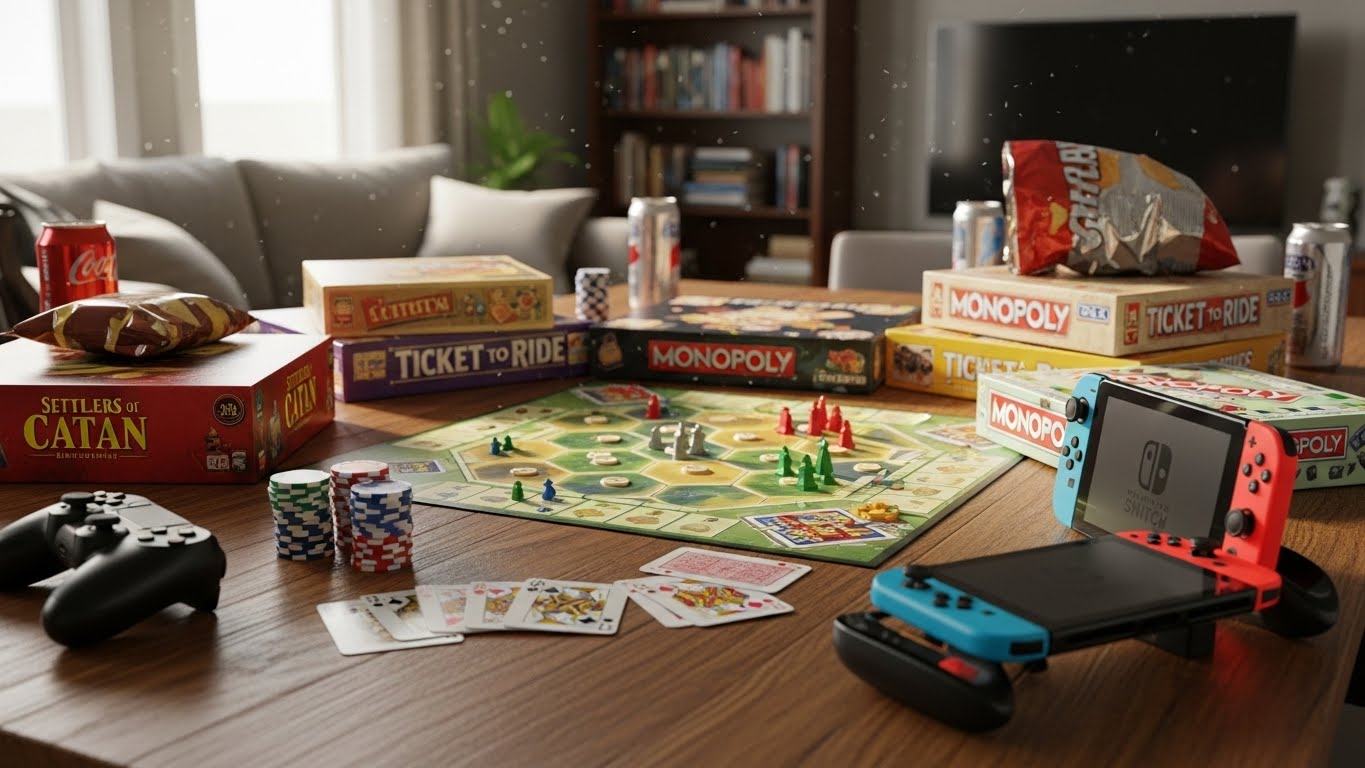
Games have been part of human life since ancient times. Early civilizations created simple games using stones, sticks, and hand-drawn patterns. These games encouraged strategy, patience, and social interaction. As time passed, board games like chess and cards became symbols of intelligence and entertainment. The arrival of technology gave birth to digital gaming, introducing video games, mobile apps, and virtual reality. Today, games are a blend of art, creativity, and innovation, enjoyed by people of all ages.
The Fun and Excitement of Playing
Playing games brings joy to people of every generation. The excitement of winning, the thrill of competition, and the laughter shared with others make games a timeless form of happiness. Whether playing a quick mobile puzzle, a multiplayer video game, or a classic board game, players experience a sense of freedom and satisfaction. Games provide an escape from stress and fill our days with positive energy and laughter.
Games as a Learning Experience
Games are powerful tools for learning and development. They improve problem-solving skills, enhance memory, and build strategic thinking. Educational games teach children new concepts in fun and interactive ways, while adults benefit from games that sharpen focus and creativity. Even simple games teach patience, planning, and teamwork. By blending learning with entertainment, games make education enjoyable and effective.
The Social Power of Games
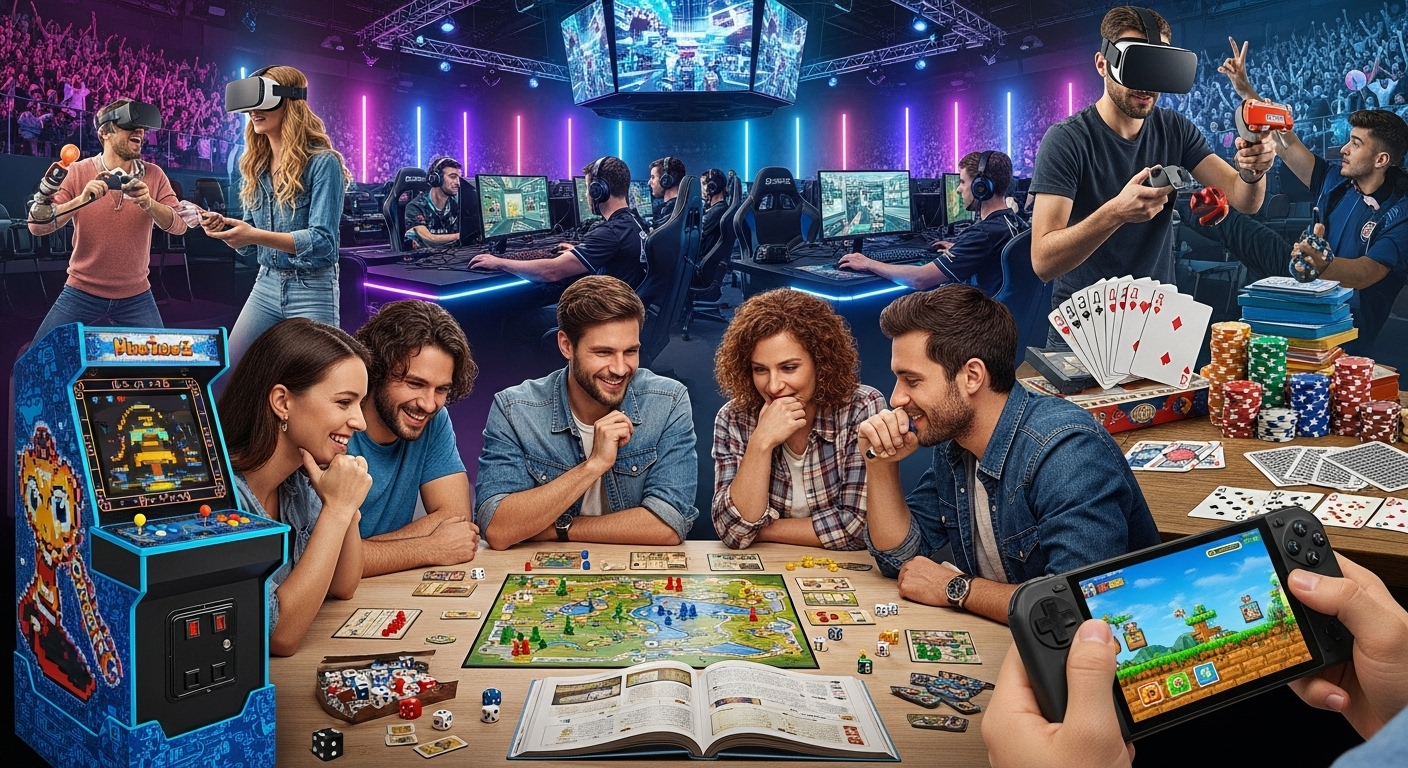
Games bring people together, creating bonds that go beyond competition. Family game nights, online multiplayer sessions, or friendly sports matches build relationships and trust. Through cooperation and teamwork, players learn how to communicate and support one another. In a world often divided by differences, games remind us of the joy of unity and shared goals.
Technology and Modern Gaming
Modern technology has revolutionized the gaming experience. With powerful graphics, realistic sound, and virtual environments, players can now explore lifelike worlds from the comfort of their homes. Mobile gaming has made it easy for anyone to play anytime, while virtual reality allows players to experience total immersion. As technology advances, gaming continues to expand its boundaries, offering experiences that were once impossible to imagine.
Creativity in Games
Games are not just played—they are created. Game design allows artists, writers, and developers to express their creativity. Players, too, often become creators by designing characters, building worlds, and shaping their own stories. This creativity makes gaming a form of art that blends imagination and technology, allowing endless possibilities for exploration and invention.
The Future of Games
The future of gaming is filled with promise and innovation. Artificial intelligence, virtual reality, and augmented reality will make games even more interactive and engaging. Players will experience stories that adapt to their choices, making every game unique. As gaming becomes more accessible and inclusive, it will continue to inspire creativity, learning, and connection for generations to come.
Conclusion
Games are more than a form of play—they are a celebration of imagination, learning, and togetherness. They entertain us, challenge our minds, and connect us with others across the world. From traditional games passed down through generations to modern digital masterpieces, the spirit of play continues to thrive. In every move, strategy, and story, games remind us of the simple yet powerful joy of being human.