Introduction
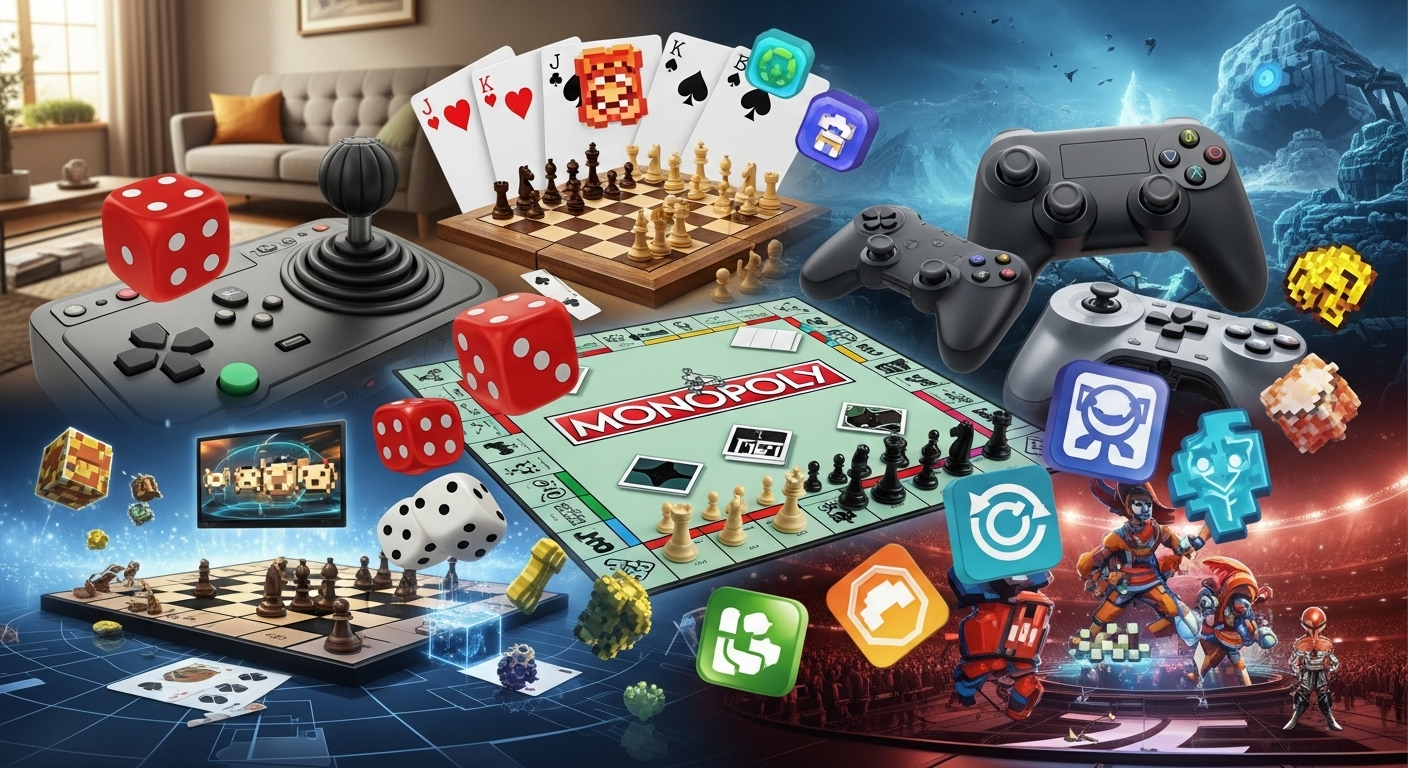
Games have been an essential part of human life for centuries, serving as a source of entertainment, education, and social interaction. From traditional board games to modern video games, they challenge the mind, test skills, and bring people together. The gaming industry has grown into a global phenomenon, offering experiences that are immersive, competitive, and engaging for people of all ages.
The Evolution of Games
Games have evolved significantly over time. Ancient civilizations played board games and physical contests that were both recreational and educational. With technological advancement, digital gaming emerged, transforming the way people play and interact. Video games, mobile apps, and online multiplayer platforms have made gaming accessible to millions worldwide, offering diverse experiences from strategy and puzzles to action and adventure.
Mental and Cognitive Benefits
Games are not just fun—they offer cognitive and mental benefits. Strategy and puzzle games enhance problem-solving skills, critical thinking, and decision-making. Role-playing and simulation games improve creativity and planning, while competitive games foster focus and resilience. Even casual games provide relaxation, reducing stress and improving mood.
Social Interaction Through Gaming
Modern games are a social experience. Multiplayer games, online communities, and esports tournaments allow players to connect, compete, and collaborate with others globally. Gaming encourages teamwork, communication, and leadership, creating bonds that transcend physical boundaries. Social interaction in games also builds a sense of belonging and shared achievement.
Technology and the Gaming Industry
Technology has revolutionized the gaming world. High-quality graphics, virtual reality, augmented reality, and cloud gaming have made experiences more immersive than ever. Gaming platforms continuously innovate, introducing realistic gameplay, interactive storytelling, and competitive arenas. The industry has also become a significant economic driver, with professional gamers, streamers, and developers building thriving careers.
Games in Education and Skill Development
Games are increasingly recognized as tools for education and skill development. Educational games teach concepts in mathematics, science, and language in an engaging way. Simulation and strategy games develop planning, resource management, and critical thinking skills. Incorporating games into learning makes the process interactive, enjoyable, and effective.
The Future of Gaming
The future of gaming is full of potential. Emerging technologies like artificial intelligence, virtual reality, and cloud computing will create even more immersive and personalized experiences. Games will continue to bridge entertainment, education, and social interaction, providing opportunities for creativity, innovation, and global connectivity.
Conclusion
Games are more than a form of entertainment—they are a powerful tool for learning, socializing, and personal growth. They challenge the mind, foster creativity, and connect people around the world. As technology advances, the gaming world will continue to expand, offering limitless possibilities for fun, strategy, and innovation.