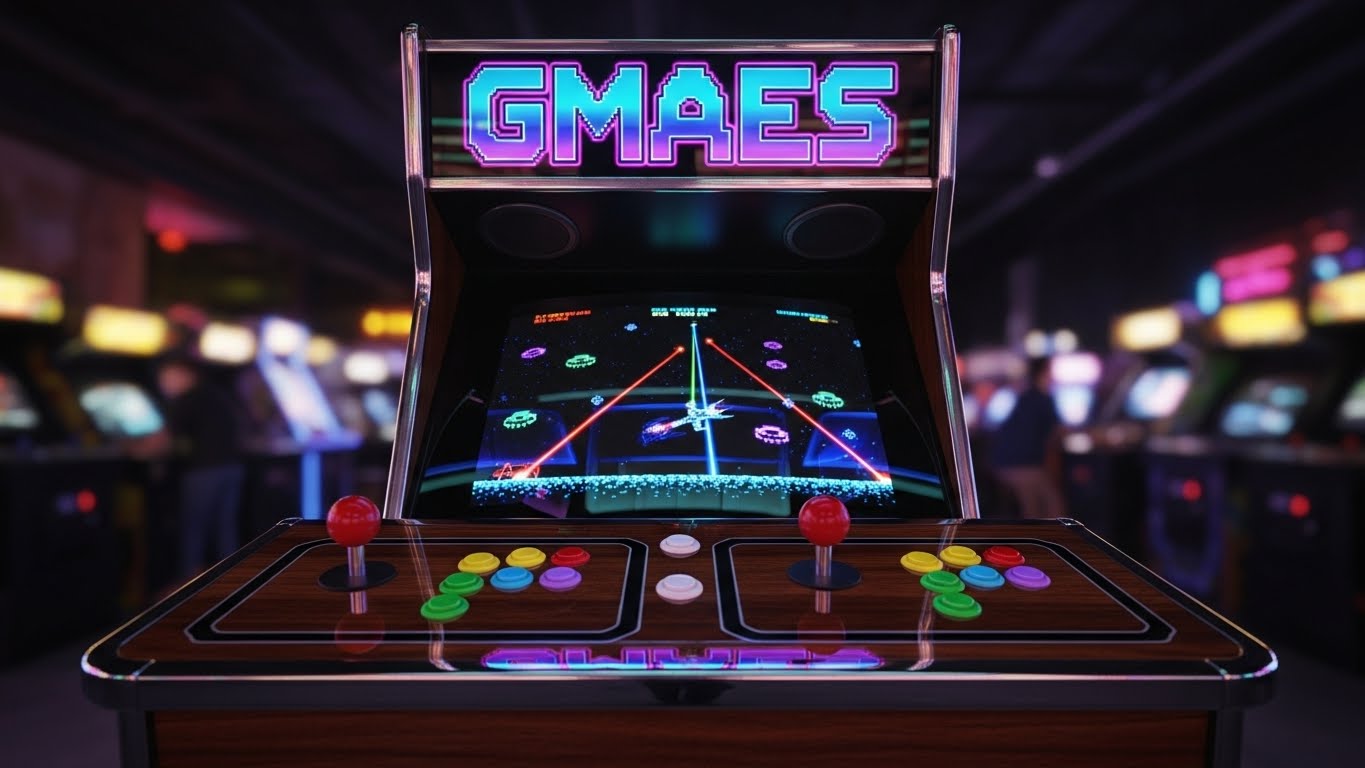

Games have been a part of human culture for millennia, from ancient board games like chess and Go to the exhilarating world of digital gaming that dominates the entertainment industry today. Video games, in particular, have undergone a massive transformation since their inception, becoming an integral part of modern life. Whether it’s casual gaming on your phone, competitive eSports tournaments, or deeply immersive single-player adventures, gaming today offers something for everyone. In this blog post, we’ll take a deep dive into how video games have evolved, how they’ve impacted culture, and what the future holds for the gaming world.
The Origins of Video Games: A Humble Beginning
The history of video games dates back to the 1950s, with early experiments in interactive entertainment. One of the first video games, Tennis for Two, was created by physicist William Higinbotham in 1958 as a demonstration of an oscilloscope. However, it was the invention of Pong by Atari’s Nolan Bushnell in 1972 that marked the real beginning of the video game industry. Pong, a simple table-tennis simulation, became an instant hit and led to the establishment of arcade gaming culture.
As technology advanced, so did the complexity and creativity of video games. The 1980s saw the rise of iconic arcade titles like Pac-Man, Donkey Kong, and Space Invaders, which became household names. These games were simple in design but engaging, offering players an addictive challenge. The launch of home consoles such as the Atari 2600 in 1977 and the Nintendo Entertainment System (NES) in 1985 brought video games into living rooms, introducing a new era of gaming experiences.
The Golden Age of Console Gaming
The late 1980s and early 1990s marked what many refer to as the “Golden Age of Console Gaming.” During this period, the gaming industry saw the introduction of some of the most beloved franchises in history. Nintendo’s Super Mario Bros., released in 1985, revolutionized platformers and became an instant classic. This was followed by the launch of The Legend of Zelda in 1986, which introduced a new blend of exploration, puzzle-solving, and action.
Meanwhile, Sega introduced its own iconic character, Sonic the Hedgehog, in 1991, creating a rivalry that would fuel the next decade of gaming. The battle between Nintendo and Sega defined the 16-bit console wars, each company vying for dominance in a rapidly growing market.
The technological advancements in gaming hardware allowed developers to create more sophisticated worlds and narratives. Final Fantasy VI, Chrono Trigger, and Super Metroid showcased the artistic and storytelling potential of video games, laying the foundation for role-playing games (RPGs) and action-adventure titles that would come to dominate the gaming landscape.
The 3D Revolution: Entering the Modern Era
As technology continued to evolve, the industry entered a new era in the late 1990s, defined by the shift from 2D to 3D gaming. Sony’s PlayStation, released in 1994, ushered in the age of 3D gaming and offered a new dimension of immersive experiences. Games like Final Fantasy VII, Gran Turismo, and Crash Bandicoot pushed the boundaries of what was possible in terms of graphics, gameplay, and storytelling.
Nintendo’s shift to 3D gaming came with the launch of the Nintendo 64 in 1996. With Super Mario 64 and The Legend of Zelda: Ocarina of Time, the N64 revolutionized how players interacted with virtual worlds, offering an open 3D environment to explore, something that had never been possible before.
The 3D revolution was not limited to consoles. On the PC side, titles like Half-Life, Quake, and StarCraft brought first-person shooters (FPS) and real-time strategy (RTS) games into the mainstream, offering competitive multiplayer experiences that would define online gaming for years to come.
The Rise of Online and Multiplayer Gaming
The late 1990s and early 2000s saw the rise of the internet and its integration into gaming. With the advent of broadband connections, online multiplayer gaming became a mainstream phenomenon. Titles like World of Warcraft and Counter-Strike allowed players to connect with others across the globe, fostering a new community aspect to gaming that was previously unimaginable.
The success of World of Warcraft in 2004, with its massive multiplayer online role-playing game (MMORPG) world, marked a significant shift in how gamers interacted with each other. It wasn’t just about playing a game—it was about socializing, joining guilds, and experiencing a living, breathing world with thousands of other players.
Online gaming also saw the emergence of competitive gaming or eSports, where players competed professionally in tournaments for large cash prizes. Titles like League of Legends, Dota 2, and Call of Duty turned gaming into a spectator sport, attracting millions of viewers and creating a global industry of competitive events, streaming, and sponsorships.
Mobile Gaming: Gaming on the Go
The smartphone revolution of the 2010s marked a pivotal moment in the evolution of video games. With the release of the iPhone in 2007, mobile gaming exploded onto the scene, bringing gaming into the hands of millions of people who had never considered themselves gamers before. Simple, accessible games like Angry Birds, Candy Crush Saga, and Clash of Clans became global phenomena, showcasing the power of mobile platforms in reaching a vast and diverse audience.
Mobile gaming’s growth has also been fueled by the rise of free-to-play games, which offer engaging experiences with optional in-game purchases. Games like Fortnite and PUBG Mobile introduced battle royale mechanics, offering players a new and exciting way to compete against each other in vast, ever-shrinking arenas.
One of the key advantages of mobile gaming is its accessibility. Players can enjoy their favorite games anywhere, whether they’re on the bus, waiting in line, or at home. The convenience and portability of mobile devices have made gaming more inclusive, allowing people of all ages and backgrounds to get involved.
Virtual Reality and Augmented Reality: The Next Frontier
As gaming technology continues to evolve, the next frontier of gaming lies in virtual reality (VR) and augmented reality (AR). VR gaming immerses players in fully realized virtual worlds, while AR blends digital elements with the real world. Both of these technologies have the potential to revolutionize the way we play games.
Virtual reality has already seen some impressive strides, with VR headsets like the Oculus Rift, PlayStation VR, and HTC Vive offering players the chance to step inside their games. Titles like Beat Saber, Half-Life: Alyx, and Superhot VR demonstrate the potential for immersion, with players able to physically interact with their environments in new and exciting ways.
On the other hand, augmented reality has already made a significant impact through games like Pokémon Go, which encourages players to explore the world around them while interacting with digital creatures. AR has the potential to blend gaming with everyday life, opening up new possibilities for both casual and competitive gaming.
The future of VR and AR in gaming is bright, with advancements in technology promising more realistic graphics, improved motion tracking, and deeper immersion. As these technologies become more mainstream and accessible, the lines between reality and virtual worlds will continue to blur.
The Social and Cultural Impact of Video Games
Video games have had a profound impact on culture, society, and social interaction. Games have evolved from simple entertainment to a multi-faceted medium that influences everything from art and music to education and mental health.
Games provide a platform for creative expression, allowing developers to tell stories, create immersive worlds, and engage players in ways that traditional media cannot. Titles like The Last of Us and Journey have garnered critical acclaim for their emotional storytelling and beautiful art direction, demonstrating that video games can be just as impactful as films and literature.
Additionally, gaming has fostered a global community of players who connect, collaborate, and compete. Online multiplayer games, streaming platforms like Twitch, and social media groups have created a sense of belonging for gamers, who can share their experiences and passion for gaming with others around the world.
However, video games have also faced criticism for their potential negative effects, including addiction, violence, and social isolation. While many studies have shown that video games can improve cognitive skills, teamwork, and problem-solving abilities, concerns about gaming addiction and its impact on mental health persist. As the industry continues to grow, it’s important for developers, regulators, and players to work together to ensure that games remain a positive force in society.
The Future of Gaming: What’s Next?
As the gaming industry continues to evolve, the future looks incredibly exciting. The next decade promises even more technological advancements, with AI-driven narratives, cloud gaming, and cross-platform play becoming mainstream.
Cloud gaming services like Google Stadia and Microsoft’s Xbox Cloud Gaming are paving the way for a future where players can access high-quality games on any device, without the need for expensive consoles or gaming PCs. This could make gaming more accessible than ever before, allowing players to enjoy AAA titles on smartphones, tablets, and even smart TVs.
Moreover, the continued growth of eSports, streaming, and mobile gaming suggests that gaming will only become more integrated into daily life. With virtual reality, augmented reality, and AI, the possibilities for immersive, interactive gaming experiences are limitless.
In conclusion, the world of video games has come a long way since its humble beginnings, and it continues to shape our culture, technology, and entertainment. Whether you’re a casual gamer or a dedicated fan of competitive eSports, there’s never been a better time to be a part of this ever-evolving medium.