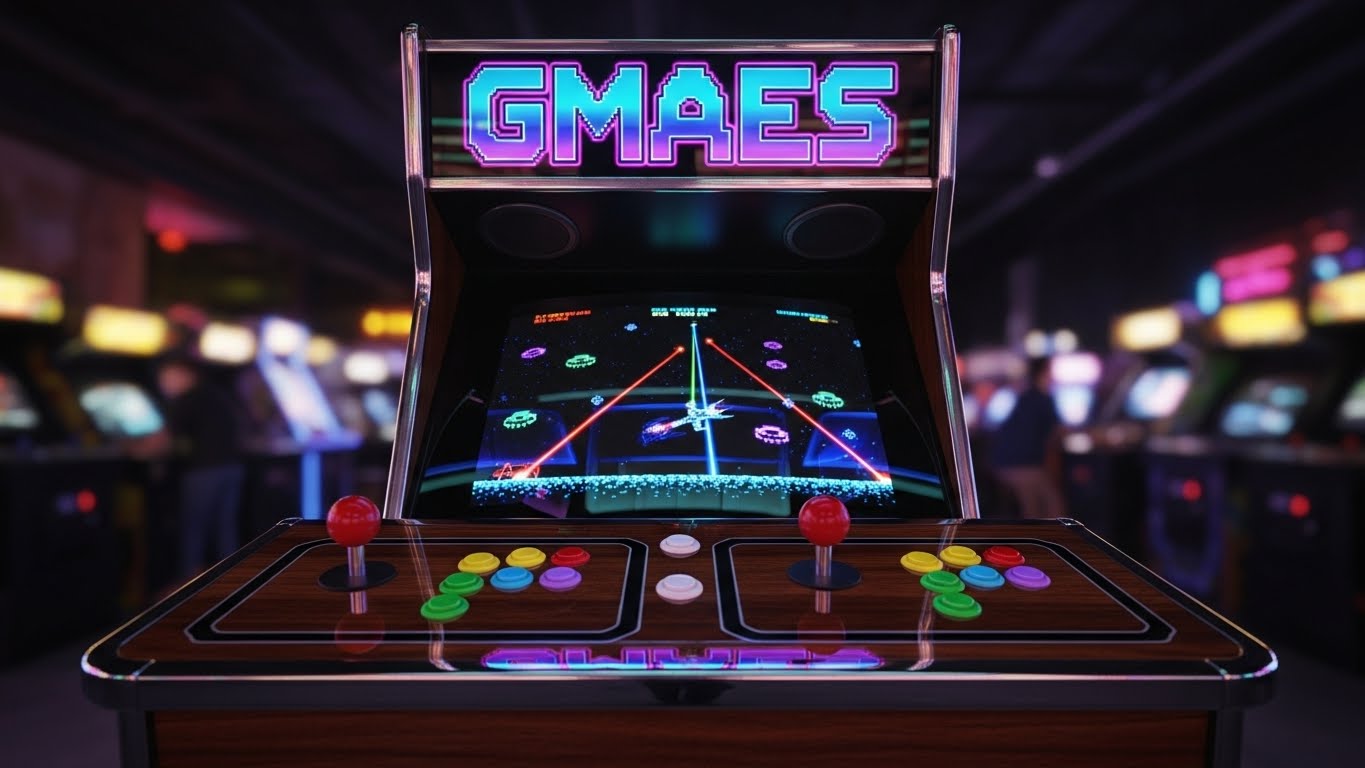

Video games have evolved dramatically since their inception, becoming one of the largest and most influential entertainment industries in the world. From simple pixelated graphics to immersive virtual realities, gaming has transformed from a niche hobby into a global cultural phenomenon. In this blog, we’ll explore the journey of gaming through the years, its impact on society, and the exciting future that lies ahead.
The Humble Beginnings: Arcade Games and the Birth of Gaming Culture
The history of video games dates back to the early 1950s, but it was the 1970s that marked the beginning of gaming as we know it today. The first widely successful arcade game, Pong, released by Atari in 1972, was a simple yet revolutionary concept: a digital version of table tennis. Despite its simplicity, Pong captured the imagination of people worldwide and opened the door for the gaming industry to flourish.
As the 1970s progressed, arcades became hubs of entertainment, and games like Space Invaders, Asteroids, and Pac-Man followed in Pong’s footsteps. These games not only defined the era but also laid the foundation for gaming culture. People would flock to arcades to play games, socialize with friends, and compete for high scores. The arcade culture was born, and it quickly became ingrained in the lives of many young people.
The 1980s saw the expansion of home consoles. Companies like Nintendo and Sega brought gaming into the living room, making it accessible to a wider audience. The release of the Nintendo Entertainment System (NES) in 1985 marked a significant milestone in gaming history, ushering in a new era of home gaming. Games like Super Mario Bros., The Legend of Zelda, and Metroid introduced rich, colorful worlds and imaginative gameplay that would become the standard for future titles.
The Golden Age of Gaming: The 1990s and the Rise of 3D Graphics
The 1990s marked the beginning of a golden age for video games. This era saw the shift from 2D graphics to fully three-dimensional environments, transforming the way players interacted with games. The introduction of 3D graphics opened up entirely new possibilities for game developers, and the result was a generation of games that captivated audiences and set new standards in the industry.
The Sony PlayStation, released in 1994, was a game-changer. It introduced groundbreaking games like Final Fantasy VII, Gran Turismo, and Metal Gear Solid, each pushing the boundaries of storytelling, gameplay, and graphics. The PlayStation also helped solidify the role of consoles as the primary platform for gaming, outpacing other competitors like the Sega Saturn and the Nintendo 64.
The Nintendo 64, released in 1996, was another pivotal system in gaming history. It introduced iconic titles like Super Mario 64 and The Legend of Zelda: Ocarina of Time, which revolutionized 3D gameplay and storytelling. These games are still regarded as some of the best ever made, and they set the standard for future 3D games.
In addition to consoles, the 1990s also saw the rise of PC gaming. The release of Doom in 1993 brought first-person shooters to the forefront, while Warcraft and StarCraft popularized real-time strategy games. The proliferation of the internet also paved the way for multiplayer online gaming, creating communities of players who could connect across the globe.
The 2000s: The Expansion of Gaming Genres and the Rise of Online Play
The early 2000s were a time of rapid growth and diversification in the gaming industry. This era saw the explosion of new genres, such as first-person shooters, role-playing games (RPGs), and sports simulations, as well as the rise of online gaming.
The PlayStation 2, released in 2000, became the best-selling video game console of all time, thanks to its extensive library of games and its introduction of online capabilities. Titles like Grand Theft Auto: San Andreas, Final Fantasy X, and Halo 2 became massive hits, offering deep gameplay, open-world exploration, and compelling narratives.
Online gaming took off during this period, with the launch of platforms like Xbox Live in 2002 and the PlayStation Network in 2006. These services allowed players to connect with others around the world and play games like Halo 2, World of Warcraft, and Call of Duty 4: Modern Warfare in real-time. Multiplayer games became increasingly sophisticated, with competitive esports emerging as a legitimate career path for talented players.
The 2000s also saw the rise of mobile gaming, thanks to the proliferation of smartphones. Games like Angry Birds, Fruit Ninja, and Candy Crush Saga brought gaming to a broader audience, allowing players to enjoy games on the go. This shift also opened up new opportunities for indie game developers, who could now reach a global audience through digital distribution platforms like the App Store and Google Play.
The 2010s: Virtual Reality, Streaming, and the Rise of Indie Games
As we moved into the 2010s, gaming continued to evolve in new and exciting ways. Virtual reality (VR) began to take center stage, offering players the chance to immerse themselves in fully realized virtual worlds. The Oculus Rift, released in 2016, was a major step forward for VR gaming, allowing players to experience games like Beat Saber and Half-Life: Alyx in a completely new way.
At the same time, the gaming industry experienced a shift in how games were distributed and consumed. The rise of digital game stores like Steam, the Epic Games Store, and PlayStation Store allowed players to purchase and download games directly to their consoles or PCs, bypassing traditional retail. This shift in distribution changed the dynamics of the gaming market and allowed for the explosion of indie games, which gained widespread popularity due to their innovation, creativity, and low-cost production.
Games like Minecraft, Undertale, and Hollow Knight proved that you didn’t need a massive budget to create a memorable and successful game. The accessibility of digital storefronts meant that smaller, independent developers could reach global audiences and find success in ways that weren’t possible before.
The 2010s also saw the rise of streaming platforms like Twitch and YouTube Gaming, where players could broadcast their gameplay to millions of viewers. These platforms created new opportunities for gamers to build careers as content creators, with popular streamers earning substantial incomes through sponsorships, donations, and subscriptions.
The Modern Era: Next-Gen Consoles, Cloud Gaming, and the Future of Entertainment
The 2020s have brought about some of the most significant advancements in gaming technology. The release of next-gen consoles like the PlayStation 5 and Xbox Series X|S in 2020 marked a new era of gaming, with powerful hardware capable of running games in stunning 4K resolution at high frame rates. These consoles have raised the bar for visuals, speed, and immersion, bringing gaming experiences closer to reality than ever before.
Cloud gaming is another game-changer for the industry. Services like Google Stadia, Xbox Cloud Gaming, and NVIDIA GeForce Now allow players to stream games directly to their devices without the need for powerful hardware. This shift has made gaming more accessible, enabling players with lower-end PCs or older consoles to enjoy the latest games without upgrading their equipment.
Furthermore, the gaming industry continues to experiment with augmented reality (AR), artificial intelligence (AI), and machine learning to create more dynamic and interactive experiences. Games are becoming smarter, more responsive, and more immersive, with AI-driven characters, procedurally generated worlds, and stories that adapt based on the player’s choices.
Esports have also continued to grow, with massive tournaments for games like League of Legends, Dota 2, and Fortnite offering multi-million-dollar prize pools. Esports are no longer just a niche activity; they have become a mainstream form of entertainment, with professional players, teams, and leagues attracting sponsorships and global fanbases.
The Future of Gaming: What’s Next?
The future of gaming holds even more exciting possibilities. As technologies like VR, AR, and AI continue to evolve, we can expect even more immersive and interactive gaming experiences. The lines between gaming and other forms of entertainment, like film and television, will likely continue to blur. With the rise of narrative-driven games, players are becoming active participants in stories, with their choices shaping the outcome in meaningful ways.
Additionally, the accessibility of gaming is likely to continue improving, making it easier for people of all ages, backgrounds, and skill levels to engage with games. As gaming becomes even more mainstream, it will be interesting to see how it integrates with other forms of entertainment, such as virtual concerts, interactive movies, and augmented reality experiences.
In conclusion, the journey of video games from their humble beginnings to the present day has been nothing short of remarkable. The gaming industry has grown into a multi-billion-dollar global enterprise, and its impact on culture, technology, and society continues to expand. Whether it’s through the nostalgia of retro games, the adrenaline of competitive esports, or the immersive worlds of virtual reality, gaming remains one of the most dynamic and exciting forms of entertainment in the world today.