Introduction
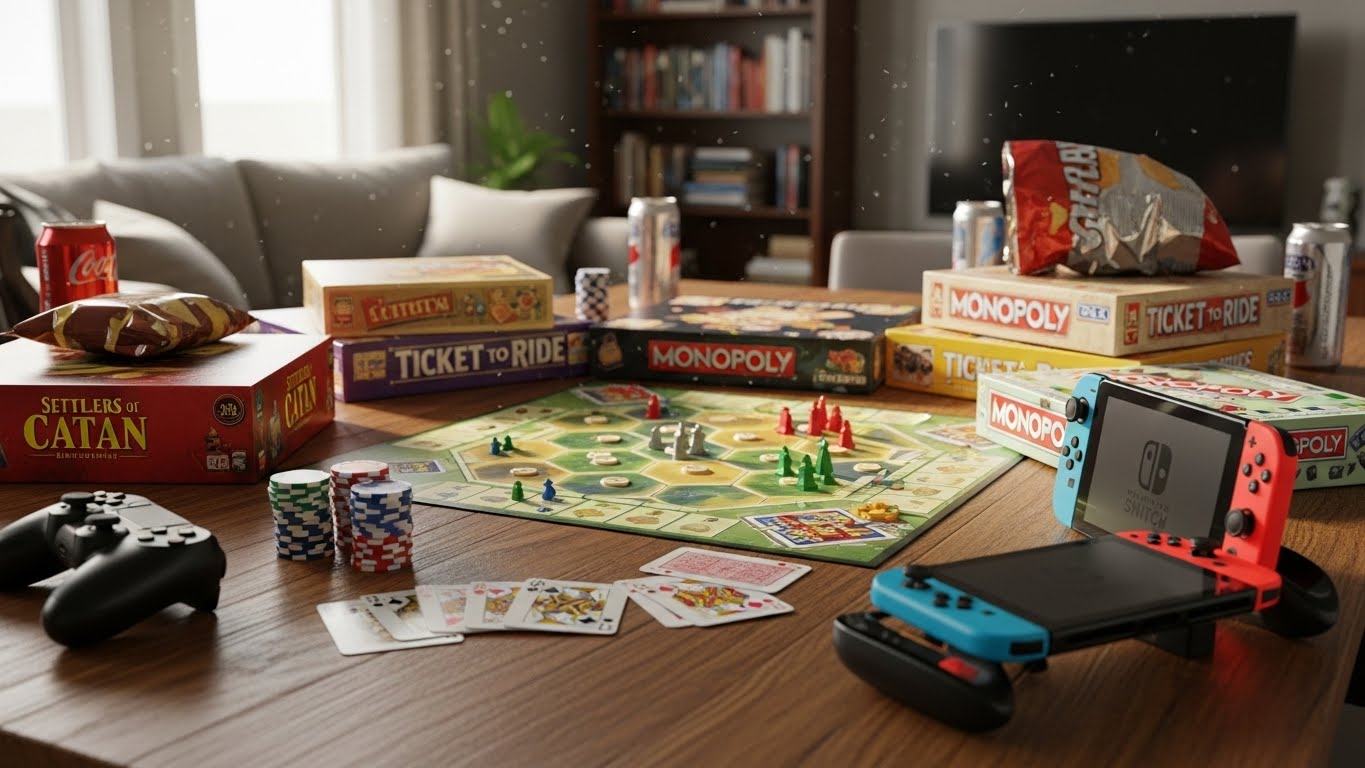
The world of games has come a long way since its inception. From ancient board games to the complex, immersive worlds of modern video games, play has always been an integral part of human culture. In the digital age, games have transformed from simple leisure activities into a multi-billion-dollar industry that influences entertainment, education, technology, and even social behavior. Today, games are not just a form of entertainment—they are a powerful medium that shapes our experiences and connects us in ways unimaginable a few decades ago.
In this blog post, we will explore the diverse and evolving landscape of games, including their history, the different types of games, and how they have impacted both individuals and society. Additionally, we will take a look at where gaming is headed in the future and what innovations might further transform the gaming world.
The Birth of Games: A Glimpse Into History
Games, in various forms, have been around for thousands of years. The earliest known game is Senet, which dates back to ancient Egypt around 3100 BCE. Senet, a board game, was played with a set of pawns on a grid-like board, and it was more than just a pastime—it had religious significance and was seen as a metaphor for life’s journey.
Similarly, other ancient civilizations created games that not only entertained but also taught valuable lessons. For instance, the game of Go, which originated in China more than 2,500 years ago, is still played today and is regarded as one of the most strategic games in the world. These early games laid the foundation for the development of modern gaming, where strategy, skill, and chance are often at play.
The true transformation of games began in the 20th century, with the advent of electronic games. The first video game ever created, Tennis for Two, was developed in 1958 by William Higinbotham. It was a simple tennis simulation played on an oscilloscope. However, it wasn’t until the release of Pong in 1972 that video games began to gain significant popularity. Pong was one of the first commercially successful arcade games and helped usher in the golden age of arcade gaming.
By the 1980s and 1990s, home video game consoles like the Atari 2600 and the Nintendo Entertainment System (NES) brought gaming into the home, leading to the rise of iconic franchises like Super Mario, The Legend of Zelda, and Pac-Man. The 21st century witnessed the rise of 3D graphics, online multiplayer games, and the explosive growth of mobile gaming.
The Different Types of Games: From Simplicity to Complexity
One of the most fascinating aspects of the gaming world is its diversity. Over the years, games have evolved to cater to different tastes, skill levels, and play styles. Here are some of the most popular genres of games that have shaped the industry:
1. Action Games
Action games are designed to challenge a player’s reflexes and hand-eye coordination. They often involve fast-paced gameplay, where the player must overcome obstacles, defeat enemies, or complete tasks under pressure. Some of the most iconic action games include Super Mario Bros., Grand Theft Auto, and Call of Duty. These games are typically known for their excitement and adrenaline rush, making them some of the most popular titles among players of all ages.
2. Role-Playing Games (RPGs)
Role-playing games allow players to take on the roles of characters in a fictional setting, often in expansive, story-driven worlds. RPGs focus heavily on character development, allowing players to shape their characters through decisions, abilities, and moral choices. Final Fantasy, The Elder Scrolls V: Skyrim, and The Witcher 3 are some of the best-known RPGs that have set the standard for immersive storytelling and character progression in gaming.
3. Strategy Games
Strategy games require players to think critically, plan ahead, and manage resources to outsmart their opponents. These games can be turn-based or real-time and usually involve tactical decision-making and long-term planning. Popular examples include Civilization, StarCraft, and Age of Empires. These games are beloved by players who enjoy deep thinking, careful planning, and complex challenges.
4. Simulation Games
Simulation games aim to replicate real-life experiences in a virtual environment. These games often offer players the opportunity to manage systems, businesses, or even entire worlds. The Sims, SimCity, and Microsoft Flight Simulator are examples of simulation games that let players experience life from different perspectives, whether they’re running a household, building a city, or piloting an aircraft.
5. Sports and Racing Games
Sports and racing games allow players to experience the thrill of athletic competition or high-speed races in a virtual setting. These games replicate real-world sports like football, basketball, and soccer or focus on competitive racing events. FIFA, NBA 2K, and Gran Turismo are prime examples of sports and racing games that provide realistic gameplay and are enjoyed by fans of the respective sports.
6. Puzzle and Indie Games
Puzzle games challenge the player’s problem-solving abilities. These games often require players to think outside the box and use logic to complete various puzzles. Tetris, Portal, and Candy Crush are some examples of puzzle games that have captivated audiences around the world. Indie games, developed by small studios or independent developers, often push the boundaries of creativity and offer unique experiences. Undertale, Hollow Knight, and Celeste are examples of indie games that have gained critical acclaim for their innovative gameplay and storytelling.
The Impact of Gaming: More Than Just Fun
Games have become an integral part of modern culture, influencing various aspects of life. They have grown beyond simple entertainment and are now used for education, socialization, and even professional careers. Here’s a look at the broader impact of gaming:
1. Cognitive Development and Learning
Many games, especially puzzle and strategy games, help develop critical thinking, problem-solving, and memory skills. Studies have shown that action games can improve hand-eye coordination, while puzzle games can enhance logical reasoning. RPGs, with their complex stories and character development, encourage players to think creatively and engage with narratives on a deeper level.
Moreover, games are increasingly being used in educational settings to teach subjects such as history, mathematics, and science. Games like Minecraft have even been adapted for educational purposes, allowing students to explore complex concepts in an interactive environment.
2. Socialization and Community Building
Contrary to the stereotype of gamers being isolated, many modern games offer opportunities for social interaction. Online multiplayer games like Fortnite, League of Legends, and World of Warcraft have built massive communities where players can connect, team up, and form lasting friendships. These games provide a platform for individuals to interact with others across the globe, transcending geographical boundaries and cultural differences.
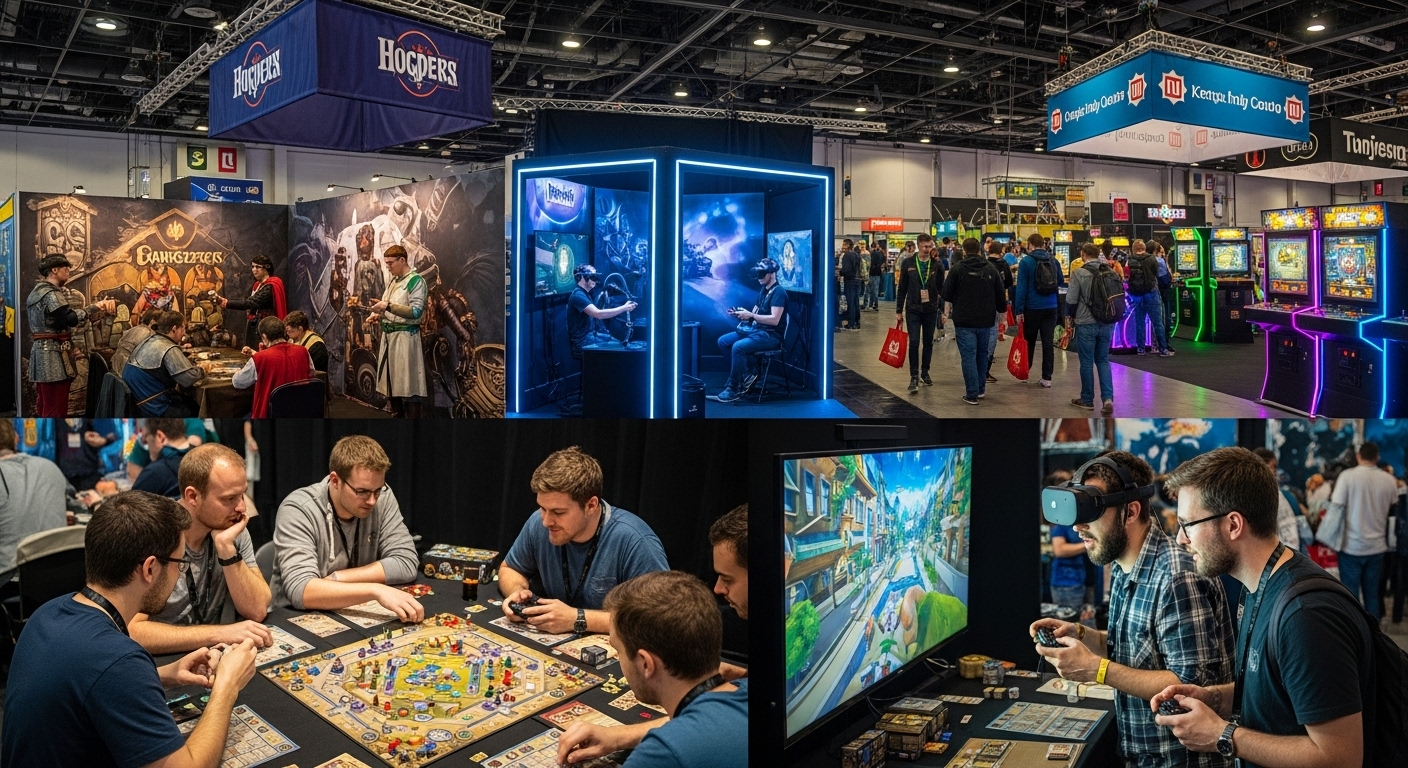
In addition, games have become a form of social entertainment, with platforms like Twitch allowing gamers to stream their gameplay and interact with viewers. The rise of esports, where professional players compete in tournaments for large prizes, has turned gaming into a spectator sport, drawing millions of fans worldwide.
3. Mental Health Benefits
For many people, gaming offers a way to relieve stress and escape the pressures of everyday life. The immersive worlds of games can provide a sense of accomplishment, relaxation, and emotional fulfillment. Games can also serve as a form of therapy, allowing players to process emotions and cope with personal challenges.
Furthermore, some games have been specifically designed to improve mental health. Titles like Sea of Solitude and Hellblade: Senua’s Sacrifice explore themes of mental illness and offer players a unique way to understand and engage with these issues.
The Future of Gaming: What’s Next?
The future of gaming is both exciting and uncertain. As technology continues to evolve, so too will the possibilities for what games can offer. Some of the key trends shaping the future of gaming include:
1. Virtual Reality (VR) and Augmented Reality (AR)
Virtual reality and augmented reality are two technologies that are set to revolutionize the gaming experience. VR allows players to step inside fully immersive digital worlds, where they can interact with the environment in real time. AR, on the other hand, blends digital elements with the physical world, allowing players to experience gaming in a more integrated way. As VR and AR technologies improve, gaming experiences will become more realistic, engaging, and interactive.
2. Cloud Gaming
Cloud gaming is poised to change the way games are played. With cloud gaming, players can stream games directly from the cloud, eliminating the need for powerful hardware and allowing gamers to play anywhere, on any device. This technology is already being tested by platforms like Google Stadia and Xbox Cloud Gaming, and it could make gaming more accessible and affordable for a wider audience.
3. AI and Procedural Generation
Artificial intelligence and procedural generation are two technologies that will continue to shape the future of gaming. AI can be used to create more sophisticated non-playable characters (NPCs) that react intelligently to the player’s actions, while procedural generation can create vast, unique worlds for players to explore. Games like No Man’s Sky have already shown the potential of procedural generation, and we can expect more titles to use this technology in the future.
Conclusion
Games have come a long way from their humble beginnings. They are no longer just a form of entertainment—they are an integral part of our culture, education, and social lives. From simple puzzles to expansive digital worlds, games have evolved into a medium that offers endless possibilities. As technology continues to advance, the future of gaming looks brighter than ever, with new innovations on the horizon that will further transform