Introduction
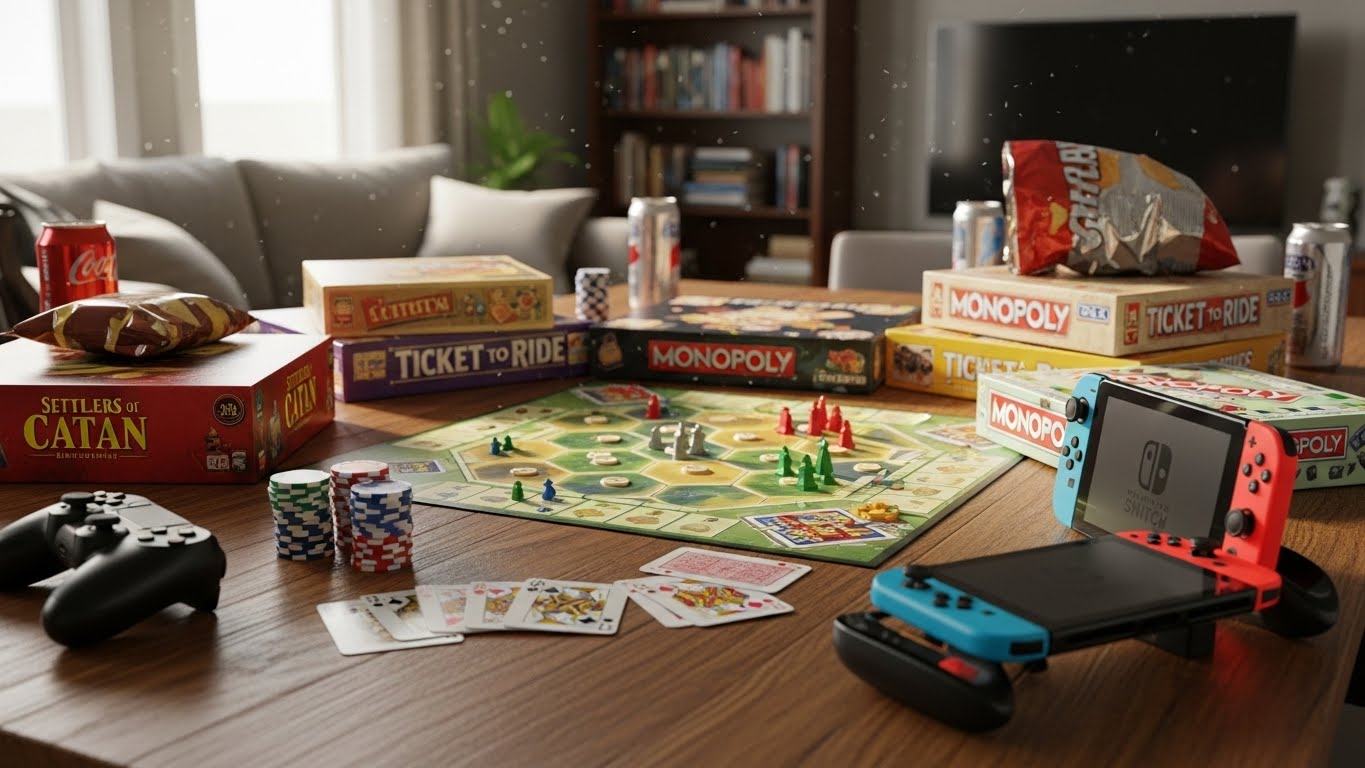
Games have been part of human life since the earliest civilizations. What began as simple forms of play for entertainment and social bonding has evolved into a powerful global phenomenon that influences culture, technology, education, and even personal identity. Today, games exist in many forms, including board games, outdoor games, video games, and competitive digital experiences. They are no longer limited to leisure; games now educate, connect people, and drive innovation. This blog explores the evolution of games, their impact on society, their psychological and social benefits, and the future of this ever-growing form of entertainment.
The Ancient Origins of Games
Games existed long before modern technology. Ancient civilizations used games for recreation, learning, and even spiritual practices. Archaeological findings reveal board games played in Egypt, Mesopotamia, China, and India thousands of years ago. These games were often designed to teach strategy, patience, and decision-making.
Outdoor and physical games also played an important role in early societies. Activities like wrestling, racing, and team challenges helped develop strength, coordination, and teamwork. Games were often used to prepare individuals for real-life challenges such as hunting, warfare, and leadership. These early forms of play laid the foundation for structured rules, competition, and cooperation found in modern games.
The Evolution of Games Over Time
As societies progressed, games evolved alongside cultural and technological advancements. Card games and chess gained popularity across continents, emphasizing mental skills and strategic thinking. Sports became more organized, with clear rules and competitions that attracted large audiences.
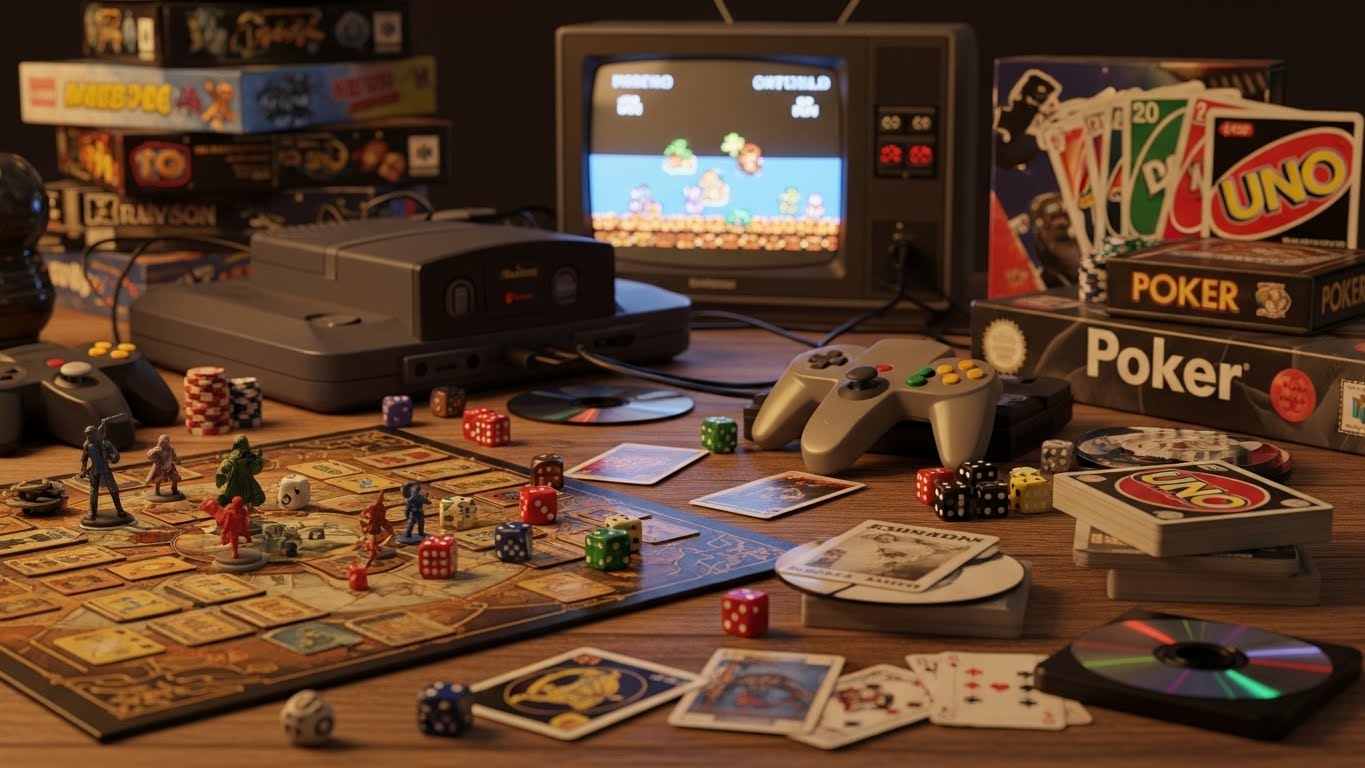
The introduction of digital technology marked a revolutionary shift in gaming. Early video games were simple, yet they captured the imagination of players worldwide. Over time, improvements in graphics, sound, and computing power transformed games into immersive experiences. Today, games range from casual mobile entertainment to complex digital worlds with detailed storytelling and realistic visuals.
Games as a Cultural Force
Games have become an influential part of global culture. Popular games shape fashion, language, music, and storytelling trends. Characters and narratives from games often become cultural symbols recognized across generations.
Gaming communities form strong identities, bringing together people with shared interests. Players connect through shared experiences, discussions, and creative expression. Games also reflect societal values and concerns, often exploring themes such as morality, survival, cooperation, and human emotion. Through interactive storytelling, games allow players to engage with culture in a deeply personal way.
Social Interaction Through Games
Games are powerful tools for social connection. Multiplayer and cooperative games encourage communication, teamwork, and trust. Players collaborate to achieve goals, solve problems, and compete fairly. These interactions often lead to friendships that extend beyond the game itself.
Even traditional board games and outdoor games strengthen social bonds among families and communities. They create opportunities for face-to-face interaction, laughter, and shared memories. In a digital age where isolation can increase, games offer meaningful ways for people to connect and engage with one another.
The Psychological Benefits of Playing Games
Games provide more than entertainment; they offer significant psychological benefits. Many games improve cognitive skills such as problem-solving, memory, attention, and spatial awareness. Strategy games challenge players to think critically, plan ahead, and adapt to changing situations.
Games also help reduce stress and provide emotional relief. Immersive gameplay allows players to escape daily pressures and focus on enjoyable challenges. Completing objectives and overcoming obstacles builds confidence and a sense of achievement. When played responsibly, games can contribute positively to mental well-being.
Games and Learning
Games have become effective learning tools across all age groups. Educational games make learning interactive and engaging, helping students understand complex subjects through play. Concepts in mathematics, science, history, and language can be explored through simulations and challenges.
Gamification is increasingly used in schools and workplaces to motivate learning and skill development. Reward systems, progress tracking, and interactive tasks make education more enjoyable and effective. Games encourage curiosity, experimentation, and active participation, making learning a dynamic experience.
The Creative Side of Games
Games are a form of art that combines storytelling, design, music, and technology. Developers create detailed worlds, characters, and narratives that rival traditional forms of entertainment. Visual design, sound effects, and interactive mechanics work together to create immersive experiences.
Players also express creativity through games. Many games allow customization, building, and exploration. Some players create their own levels, characters, or stories, turning games into platforms for imagination and innovation. Content creation and streaming further expand creative possibilities, allowing players to share experiences and ideas with others.
The Gaming Industry and Economy
The gaming industry has grown into one of the most successful entertainment industries in the world. It generates revenue through game sales, digital content, subscriptions, competitions, and merchandise. This growth has created millions of jobs in game development, design, marketing, testing, and content creation.
Independent developers and large studios alike contribute to the industry’s diversity. Advances in technology continue to lower barriers to entry, allowing smaller creators to reach global audiences. Gaming has become a major economic force that drives innovation and technological progress.
Competitive Gaming and Skill Development
Competitive gaming has gained recognition as a serious pursuit requiring dedication, practice, and skill. Players train to improve reaction time, strategy, and teamwork. Competitive environments encourage discipline, focus, and resilience.
Beyond competition, games teach valuable life skills. Players learn to handle success and failure, adapt to challenges, and work under pressure. These skills are transferable to real-world situations, including education, careers, and personal relationships.
Challenges and Responsible Gaming
Despite its many benefits, gaming also presents challenges. Excessive gaming can affect physical health, sleep patterns, and social balance. It is important to maintain moderation and ensure a healthy lifestyle that includes physical activity and real-world interaction.
Online environments can sometimes expose players to negative behavior such as harassment or unfair play. Developers and communities continue to work toward safer, more inclusive gaming spaces. Responsible gaming habits and awareness are essential to ensuring positive experiences for players of all ages.
Technology and the Future of Games
The future of games is closely tied to technological advancement. Virtual reality and augmented reality are creating new ways to experience games, making them more immersive and interactive. Artificial intelligence is improving game design by creating smarter challenges and more dynamic storytelling.
Cloud-based gaming is expanding accessibility, allowing players to enjoy high-quality games without expensive hardware. Cross-platform experiences are bringing players together regardless of device. As technology evolves, games will continue to push creative boundaries and redefine entertainment.
Games as a Reflection of Humanity
At their core, games reflect human nature. They explore competition, cooperation, curiosity, and creativity. Games allow players to experiment with choices, face consequences, and explore emotions in a safe environment.
Through play, people learn about themselves and others. Games provide a space for imagination, expression, and connection. They capture the human desire for challenge, discovery, and shared experience.
Conclusion
Games have grown from simple pastimes into powerful cultural, social, and creative forces. They entertain, educate, connect, and inspire people across generations and cultures. Whether played casually or competitively, games offer valuable experiences that extend far beyond the screen or board.
As technology continues to advance, games will become even more immersive, accessible, and influential. Their ability to bring people together, spark creativity, and develop skills ensures that games will remain a central part of human life. More than just play, games are a reflection of how people think, learn, and connect in an ever-changing world.