Introduction
Games have been an inseparable part of human life since the dawn of civilization. Whether carved into stone, played with sticks and bones, or streamed on modern consoles, games have always reflected the creativity, culture, and imagination of people. From simple childhood activities to massive online tournaments watched by millions, games continue to evolve, shaping entertainment, education, and even economies. In this exploration of the world of games, we’ll look at their history, psychology, technology, genres, and the future they are moving toward.
The Origins of Games
Long before the digital age, ancient civilizations played games for fun, competition, and even spiritual significance. Archaeologists have uncovered game boards and dice dating back thousands of years. The ancient Egyptians played Senet, a board game symbolizing the journey of the soul to the afterlife. In Mesopotamia, people enjoyed the Royal Game of Ur, while the Chinese played Go, one of the most strategically deep games ever created.
These ancient pastimes were not only for amusement. They helped build social connections, teach rules, and develop cognitive skills. Games mirrored the societies that created them—teaching lessons about fate, chance, and strategy. Even in primitive forms, they demonstrated how deeply human beings are drawn to play and competition.
The Rise of Physical Games
As civilizations grew, so did the complexity of their games. Sports like wrestling, running, and ball games emerged as physical tests of strength and coordination. The ancient Olympic Games in Greece celebrated athletic excellence, combining sport, religion, and social prestige. Over centuries, different regions developed their unique traditions—cricket in England, sumo wrestling in Japan, polo in Persia, and football in many forms across cultures.
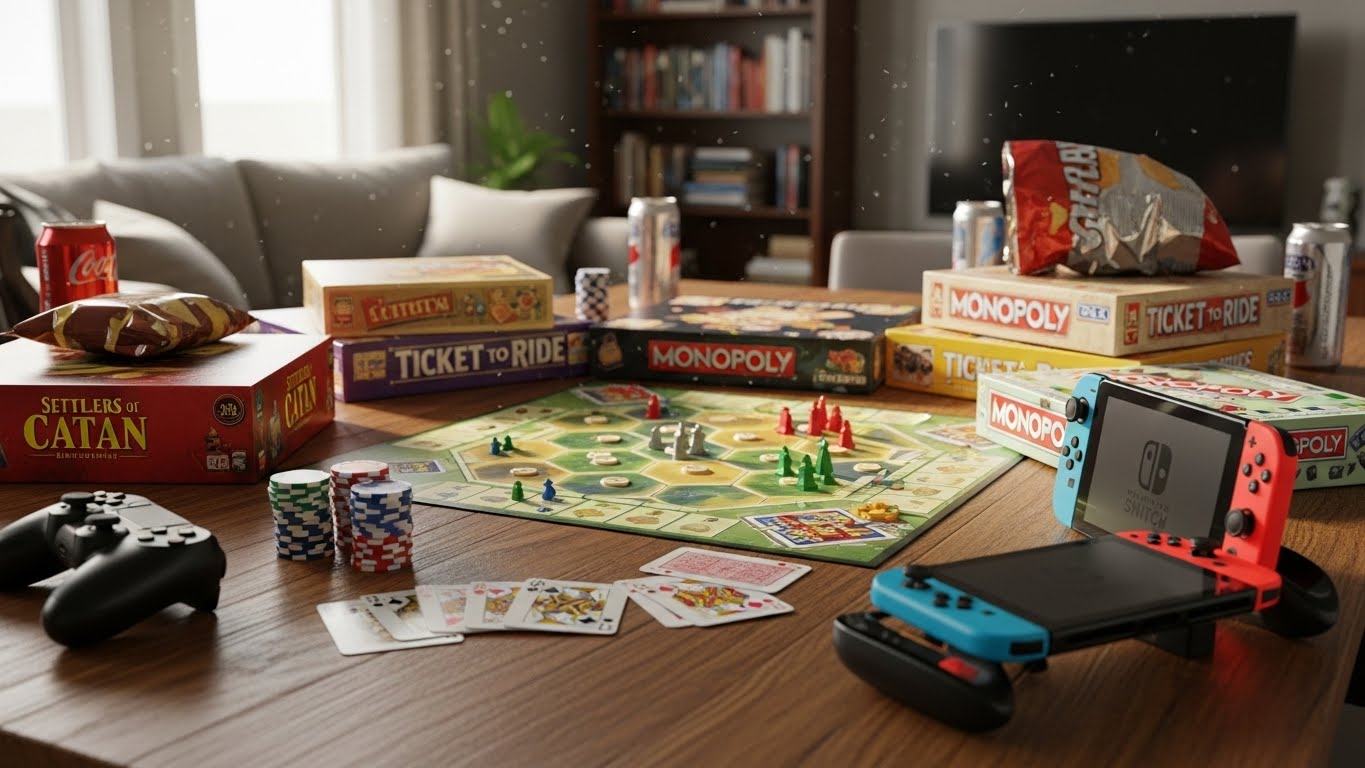
Board games also flourished. Chess emerged in India and spread through Persia to Europe, evolving into a universal symbol of intellect and strategy. Playing cards originated in China and transformed through centuries into countless variations. These physical and tabletop games laid the foundation for the modern gaming culture we know today.
The Birth of Video Games
The twentieth century marked a turning point. With the rise of computers, a new kind of game was born. The earliest video games were simple experiments. In the 1950s and 60s, programmers created rudimentary games like Tennis for Two and Spacewar!, which demonstrated that computers could entertain as well as calculate.
In the 1970s, arcade machines began to appear, introducing games like Pong and Space Invaders to the public. These pixelated, beeping screens changed entertainment forever. People lined up at arcades with coins in their pockets, trying to beat high scores. The 1980s brought home consoles, allowing families to play together without leaving their living rooms. Names like Atari, Nintendo, and Sega became household legends.
The Golden Age of Console Gaming
The late 80s and 90s were a golden age for console gaming. Iconic characters such as Mario, Sonic, Link, and Donkey Kong captured hearts worldwide. These games were colorful, imaginative, and filled with adventure. They pushed the limits of what early consoles could do, introducing stories, music, and art in ways never seen before.
The Super Nintendo and Sega Genesis created a rivalry that defined an era. Players debated which system was superior, fueling creativity and innovation. 3D graphics soon revolutionized gaming again in the mid-90s, with consoles like the PlayStation and Nintendo 64. Suddenly, worlds were not flat but vast and explorable, giving birth to franchises like Final Fantasy VII, The Legend of Zelda: Ocarina of Time, and Metal Gear Solid.
The Evolution of PC Gaming
While consoles ruled living rooms, computers were building their own kingdom of gaming. Early PC titles like Doom, Warcraft, and SimCity opened new possibilities for gameplay and creativity. PC gaming offered depth, strategy, and customization beyond consoles. Players could modify games, build communities, and even create entirely new ones through mods.
With the internet becoming widespread, PC gaming expanded further. Multiplayer online games became a global phenomenon. Titles like Counter-Strike, StarCraft, and World of Warcraft connected millions of players across continents. The keyboard and mouse became tools of virtual mastery, shaping competitive gaming and esports for decades to come.
The Mobile Revolution
The next major transformation came with the rise of smartphones. Mobile gaming democratized play like never before. Suddenly, anyone with a phone could enjoy games anywhere, anytime. Simple yet addictive titles such as Angry Birds, Candy Crush, and Temple Run reached billions of users.
Mobile gaming proved that fun didn’t require high-end graphics or expensive hardware. Accessibility became its biggest strength. Whether waiting for a bus or relaxing before bed, people could dive into quick sessions of entertainment. Today, mobile gaming dominates the industry in terms of audience and revenue, turning casual players into dedicated gamers.
The Rise of Online and Multiplayer Games
Gaming has always been social at its core. But online connectivity took that social element to a new dimension. Multiplayer games transformed the way people play, communicate, and compete. From local LAN parties to massive online battles, gaming became a shared experience.
Games like Fortnite, PUBG, and Call of Duty: Warzone showcase how online competition drives community and creativity. Players build friendships, rivalries, and even careers within virtual worlds. Voice chat, streaming platforms, and social features blur the line between playing and performing. Gaming is no longer an isolated hobby—it’s a global network of experiences.
The Era of Esports
Esports emerged naturally from the competitive nature of gaming. What began as small local tournaments has grown into a billion-dollar industry. Professional gamers now compete in arenas packed with fans, while millions more watch online. Games like League of Legends, Dota 2, and Valorant host international tournaments with massive prize pools.
Esports requires skill, teamwork, strategy, and lightning-fast reflexes. Players train for hours daily, studying opponents and perfecting mechanics. Teams, sponsors, and organizations have turned gaming into a legitimate sport, complete with coaches, analysts, and fans who treat players like athletes. This rise has reshaped how society views gaming—from pastime to profession.
The Art of Game Design
Behind every great game lies creativity, imagination, and technical artistry. Game design blends storytelling, music, visual art, psychology, and programming into one cohesive experience. Designers must understand not only how games look but how they feel. A well-designed game creates emotion, challenge, and satisfaction.
Games like Journey, The Last of Us, and Elden Ring demonstrate that video games are more than entertainment—they are art forms. They tell stories of love, loss, courage, and mystery. Their worlds feel alive, their characters memorable. Good game design balances mechanics and emotion, making the player not just a viewer but an active participant in the story.
The Psychology of Gaming
What makes games so captivating? Psychology offers some answers. Games trigger the brain’s reward systems, providing satisfaction through progress, discovery, and achievement. They offer control, creativity, and escape—three things humans crave. Whether leveling up in an RPG or solving a tricky puzzle, players feel a sense of mastery and reward.
Games also serve deeper emotional functions. They help people relieve stress, express identity, and connect with others. Cooperative play fosters teamwork, while competition builds confidence and resilience. Educational games teach through experience, showing that fun and learning can coexist beautifully.
The Role of Storytelling
Storytelling has become one of the most powerful elements of modern games. Unlike books or films, games allow players to shape the story through their choices. This interactivity gives storytelling a personal dimension. Games such as Red Dead Redemption 2, Mass Effect, and The Witcher 3 immerse players in worlds where their actions have meaning and consequence.
Narrative-driven games connect players emotionally to characters and worlds. A well-written story can make players laugh, cry, and reflect. It proves that games are not just about reflexes but about empathy and exploration of the human experience.
The Influence of Technology
Technology drives every evolution in gaming. From 8-bit pixels to photorealistic graphics, from wired controllers to virtual reality headsets, each leap has transformed how we play. Artificial intelligence now powers smarter enemies, adaptive storylines, and lifelike behaviors. Cloud gaming allows players to stream games without powerful hardware, breaking barriers of access.
Virtual and augmented reality create immersive experiences that once seemed like science fiction. Players can step inside the game, exploring virtual worlds as if they were real. Haptic feedback, motion sensors, and eye-tracking continue to blur the line between physical and digital reality.
The Social Impact of Games
Beyond entertainment, games have become cultural forces. They inspire movies, music, and art. Online games foster friendships across borders and cultures. Charities use gaming marathons to raise funds for good causes. Even education and healthcare use gamification to improve engagement and outcomes.
However, the rise of gaming also brings challenges—addiction, toxicity, and the need for balance. Developers and communities work toward creating safer, more inclusive environments. Responsible gaming emphasizes moderation and awareness, reminding players that games are most enjoyable when they enhance life, not consume it.
Indie Games and Creative Freedom
While big studios dominate the headlines, independent developers are the heart of innovation. Indie games often explore bold ideas and emotional storytelling that mainstream publishers avoid. Titles like Undertale, Celeste, and Stardew Valley show that small teams can create masterpieces through passion and vision.
Indie developers experiment with mechanics, art styles, and themes, enriching the gaming landscape. Their creativity keeps the industry fresh and diverse, proving that imagination matters more than budget.
The Future of Gaming
The future of gaming promises even greater transformations. Artificial intelligence, virtual reality, and cloud computing will redefine what’s possible. Imagine AI-generated worlds that evolve in real-time or games that adapt entirely to your personality and mood. Interactive storytelling may reach new heights, blurring the boundary between player and creator.
Blockchain technology could introduce true digital ownership of in-game assets, allowing players to trade and collect items across worlds. Meanwhile, the push for inclusivity and accessibility ensures that more people than ever can enjoy games, regardless of ability or background.
Gaming is also merging with other industries—education, fitness, art, and social media. The future game might not just entertain but teach, heal, or inspire in ways we haven’t yet imagined.
Why Games Matter
At their core, games remind us of the joy of play—a universal language shared by all humans. They teach cooperation, patience, and creativity. They bring people together and spark imagination in young minds. Whether played on a board, field, or screen, games reflect the best parts of who we are.
The beauty of gaming lies in its diversity. There’s a game for every mood, age, and interest. Some people love fast-paced shooters; others prefer quiet puzzles. Some find meaning in grand adventures; others in simple moments of play. Gaming connects generations, cultures, and dreams.
Conclusion
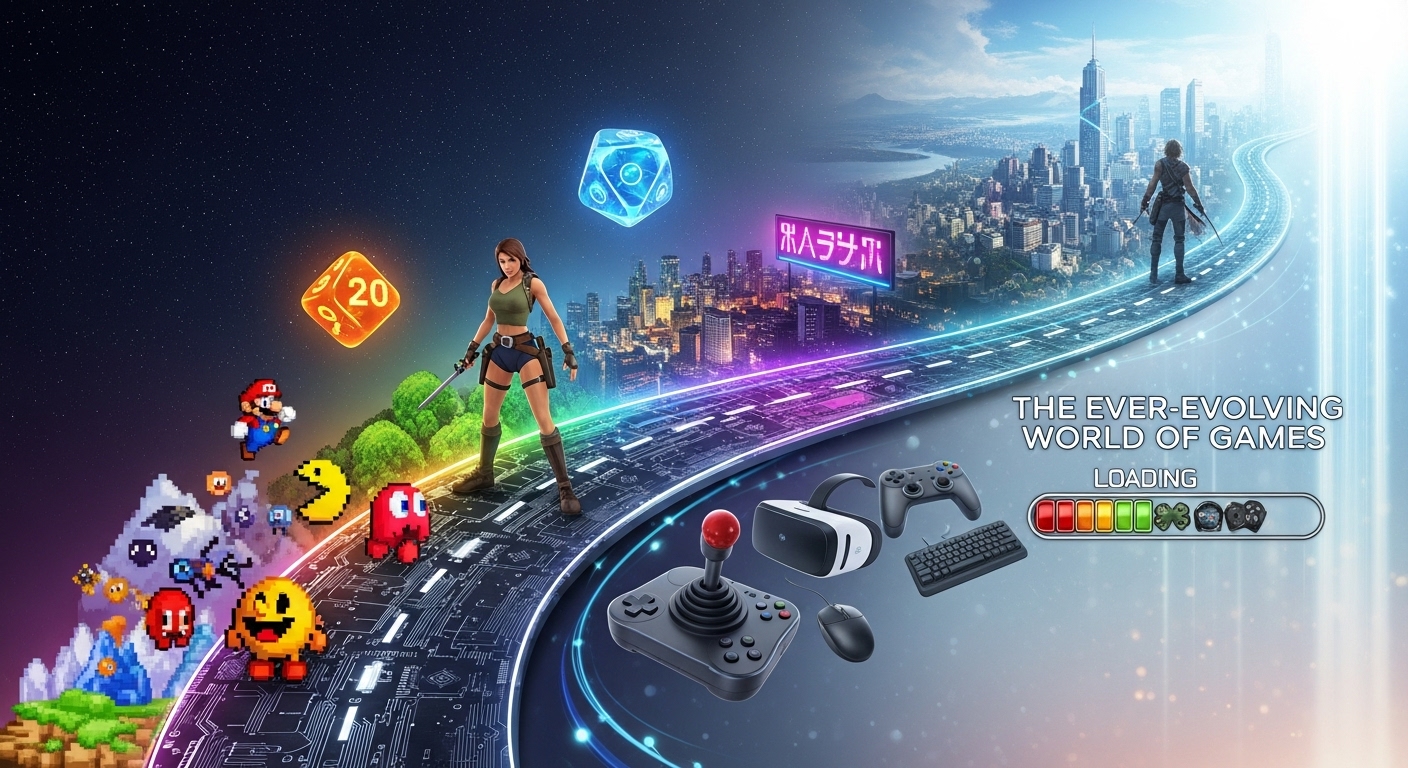
The world of games is vast and ever-changing. From ancient stones to digital galaxies, from childhood laughter to professional competition, games have always evolved alongside humanity. They capture our desire to explore, compete, and create. As technology advances, the possibilities for play grow even more boundless.
Yet, no matter how advanced games become, their essence remains the same: joy, challenge, and connection. Games tell stories, build communities, and inspire dreams. They are not just a pastime—they are a reflection of the human spirit.