
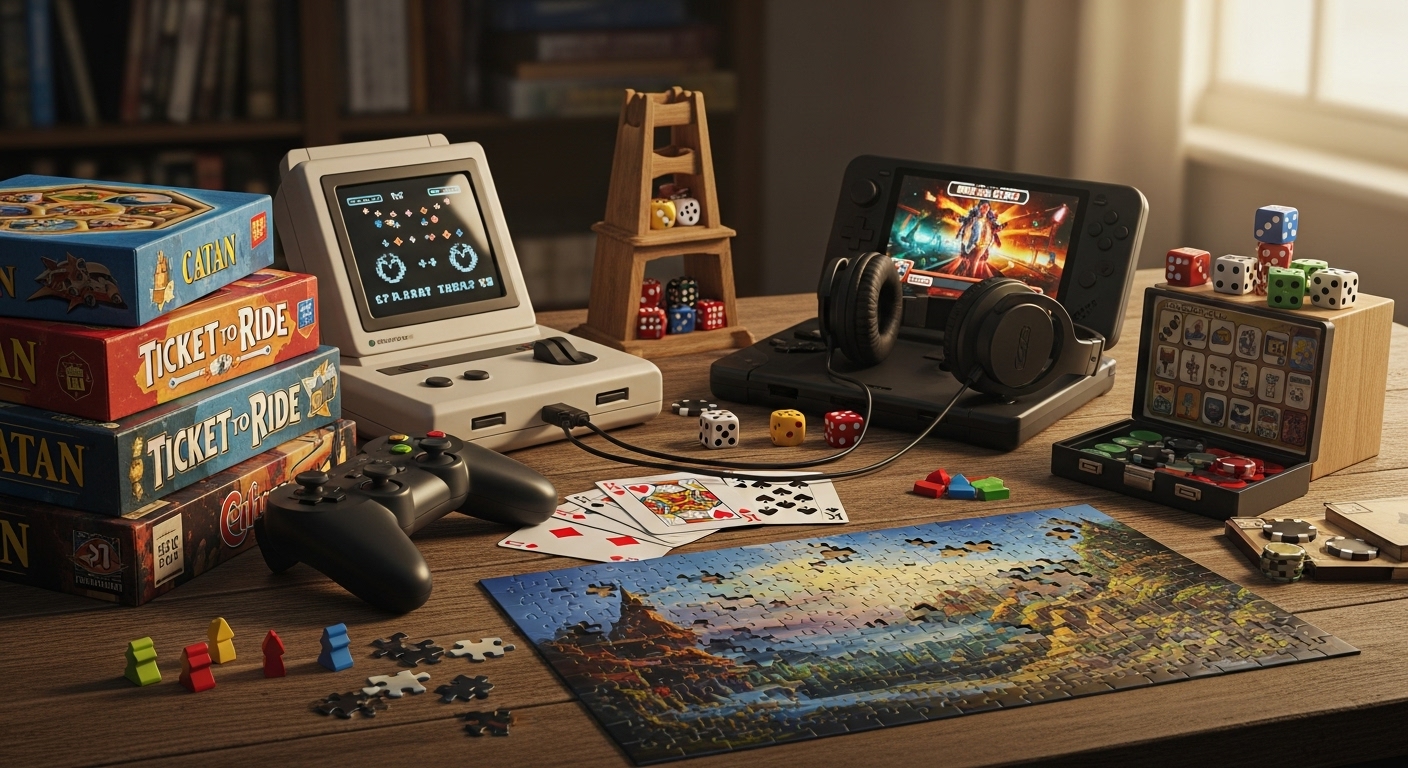
Games have been a part of human life for centuries. From board games and card games to digital and video games, they provide entertainment, challenge, and a way to connect with others. Beyond fun, games offer cognitive, social, and emotional benefits that enrich lives in ways many people don’t realize.
The Evolution of Games
Games have evolved significantly over time. Traditional games like chess, checkers, and hide-and-seek offered simple rules but encouraged strategy, skill, and creativity. With technological advancements, digital and video games emerged, providing immersive experiences, interactive storytelling, and global connectivity. Today, games span countless genres, from role-playing adventures to puzzle-solving challenges, catering to diverse interests and age groups.
Games as a Social Experience
Games are a powerful way to connect with others. Multiplayer games, online platforms, and mobile applications allow players to interact, compete, and collaborate regardless of location. These shared experiences foster teamwork, communication, and friendships. Even traditional tabletop games encourage bonding, discussion, and cooperative problem-solving among family and friends.
Mental and Cognitive Benefits
Playing games is not just entertaining—it can improve mental acuity. Strategy and puzzle games enhance problem-solving skills and critical thinking. Role-playing and simulation games encourage decision-making and creativity. Even fast-paced action games can improve hand-eye coordination, reaction times, and spatial awareness. In many ways, games serve as a fun form of mental exercise.
The Rise of Competitive Gaming
Competitive gaming, or esports, has transformed games into professional arenas. Players now train rigorously, participate in tournaments, and gain recognition on national and global stages. Beyond professional players, careers in coaching, commentary, streaming, and game development have emerged, turning games into viable career opportunities. This evolution highlights the growing significance of games in modern society.
Cultural Impact of Games
Games influence culture in remarkable ways. Iconic games inspire movies, art, and fashion, while online communities create spaces for creative expression and social interaction. Games also allow people to explore diverse stories, worlds, and perspectives, fostering empathy and understanding. Through entertainment and engagement, games have become a central part of contemporary culture.
The Future of Games
The future of games is filled with innovation. Emerging technologies like virtual reality, augmented reality, and artificial intelligence will create immersive and adaptive gaming experiences. Games will continue to expand into education, therapy, and social development, demonstrating their potential beyond traditional entertainment. As technology advances, games will play an increasingly important role in how we learn, connect, and play.
Conclusion
Games are more than just pastimes—they are tools for learning, socializing, and personal growth. They entertain, challenge, and inspire, offering experiences that bring people together and expand our imaginations. From traditional board games to high-tech digital adventures, the world of games continues to evolve, proving that play is an essential part of human life.