
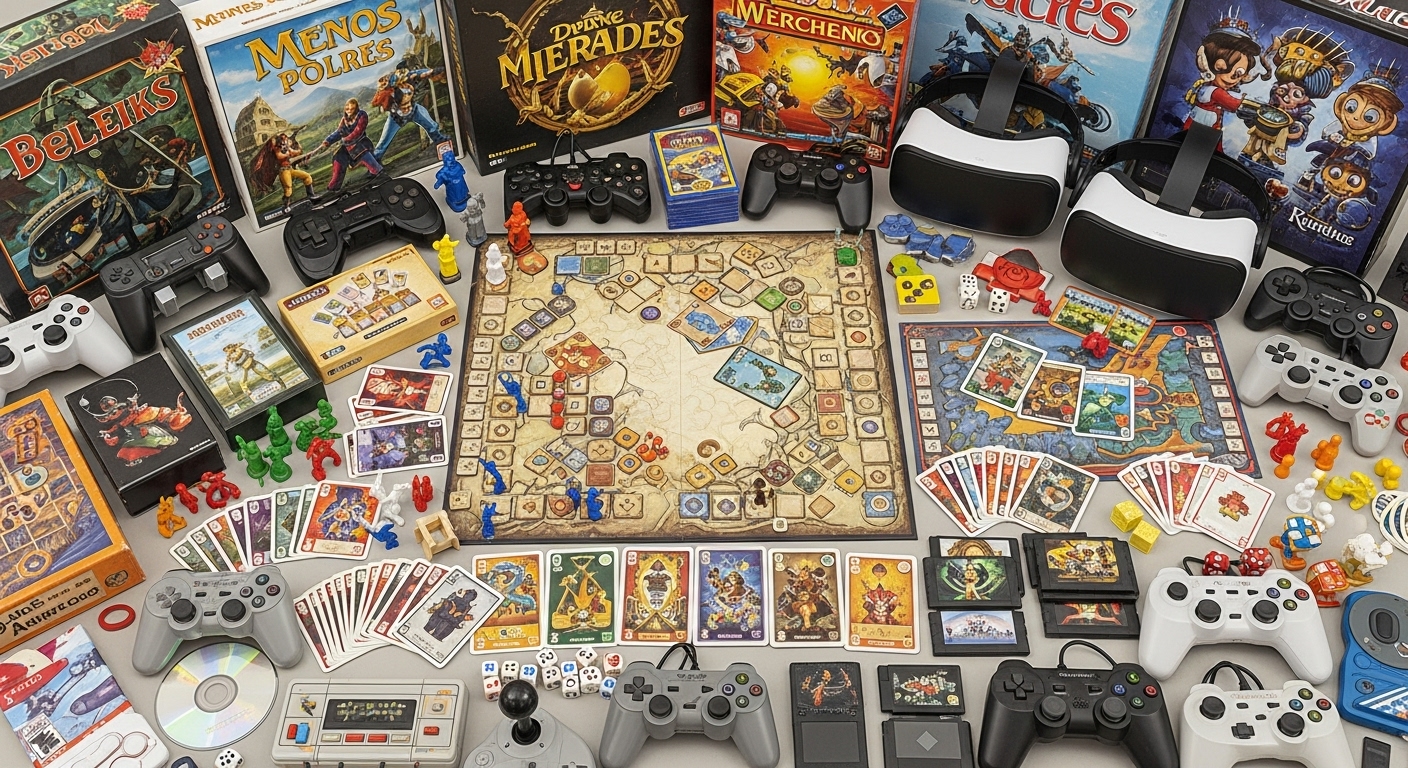
Introduction: Games as More Than Just Fun
Games have long been a part of human culture, offering a means of entertainment, challenge, and even socialization. From ancient board games to modern video games, the concept of play has always been a fundamental part of the human experience. Today, games have evolved into intricate forms of art, blending storytelling, technology, and interactive experiences. Whether you’re solving puzzles, engaging in combat, or exploring vast worlds, games have something for everyone. This post delves into the magic behind games, how they have evolved, and why they continue to captivate us.
The Evolution of Games: From Simple Fun to Complex Experiences
Games have come a long way since their origins. The first games were simple—think of the classic Tetris or the arcade games of the 1980s like Pac-Man and Space Invaders. These early games were straightforward, with minimal graphics and simple mechanics, but they captivated players with their engaging gameplay. The goal was often to “beat the high score” or survive as long as possible, offering a clear challenge to players.
As technology advanced, so did the complexity of games. The 1990s brought us 3D graphics, allowing players to step into new dimensions with games like Super Mario 64 and The Legend of Zelda: Ocarina of Time. These games opened up vast, immersive worlds that players could explore freely, each with its own storyline and unique mechanics.
Today, video games offer a broad range of experiences, from massive open-world adventures in The Witcher 3 to narrative-driven games like The Last of Us. The line between film and gaming continues to blur, with intricate plotlines and emotionally charged characters that rival those found in movies and books. The evolution of games has transformed them into a medium that combines art, technology, and storytelling to create powerful experiences.
Why Do We Love Games? The Power of Engagement
At their core, games are about engagement. They capture our attention by challenging our abilities, sparking our curiosity, and providing an outlet for creativity. Unlike passive forms of entertainment like watching television or movies, games are interactive. Players don’t just watch events unfold; they actively shape the story, make decisions, and experience the consequences of their actions.
This level of engagement is a major reason why games are so captivating. Whether it’s the thrill of racing against the clock in a platformer, the strategic planning required in a role-playing game, or the creativity unleashed in a sandbox game like Minecraft, games provide a sense of accomplishment and fulfillment. Completing a difficult level, solving a tough puzzle, or discovering a hidden area in an open world gives players a rush of satisfaction that is unique to the gaming experience.
Furthermore, games offer an escape—a chance to step into new worlds, live out different lives, and explore unknown territories. For many players, games are a form of self-expression, where they can become heroes, adventurers, or creators. This immersive experience is part of what makes gaming so appealing and why people return to it time and time again.
The Rise of Multiplayer and Social Gaming
One of the most significant shifts in the gaming world in recent years has been the rise of multiplayer gaming. Online games like Fortnite, League of Legends, and Overwatch have turned gaming into a social activity. Players can now connect with others around the world, forming teams, competing in tournaments, and even building friendships that transcend geographical boundaries.
The social aspect of gaming is one of its most appealing features today. It’s not just about playing a game in isolation; it’s about sharing the experience with others. Multiplayer games allow players to work together or compete against one another in ways that were previously unimaginable. For many, gaming has become a way to stay connected with friends and family, especially in an era where digital communication is central to social interaction.
Beyond casual gaming, eSports has emerged as a massive industry, with professional players competing in tournaments for huge cash prizes and international recognition. Games like Dota 2 and Counter-Strike: Global Offensive have turned competitive gaming into a spectator sport, attracting millions of viewers who tune in to watch the action unfold.
Indie Games: Innovation and Creativity on the Rise
While AAA titles often dominate the gaming headlines, indie games have become a driving force in the industry. Indie developers have the freedom to experiment with new ideas and take creative risks, resulting in some of the most innovative and unique games in recent years.
Games like Hades, Celeste, and Hollow Knight have demonstrated the incredible potential of indie games to offer deep, emotionally resonant experiences, often with smaller budgets but immense passion. These games have proven that great storytelling, beautiful art, and compelling gameplay don’t always require a huge development team or massive financial backing.
Indie games also push the boundaries of what games can be, experimenting with genres, narrative structures, and gameplay mechanics that larger studios may shy away from. This level of creativity has led to the rise of niche genres like “roguelikes,” “metroidvanias,” and “walking simulators,” offering players new ways to engage with games that they might not find in traditional big-budget releases.
Mobile Gaming: Gaming on the Go
In addition to console and PC gaming, mobile gaming has become a massive part of the industry. The accessibility of smartphones means that gaming can happen anywhere, anytime, whether you’re on a commute, waiting in line, or simply relaxing at home. Mobile games range from simple puzzle games like Candy Crush to more complex experiences like Genshin Impact.
The mobile gaming market has grown rapidly in recent years, attracting both casual players and more serious gamers. The rise of free-to-play models, microtransactions, and mobile multiplayer games has changed the landscape of mobile gaming, making it an increasingly important platform for developers and players alike.
One of the most significant aspects of mobile gaming is its accessibility. Mobile games are generally easier to pick up and play, offering quick sessions that fit into even the busiest of schedules. As mobile technology continues to improve, mobile games are becoming more sophisticated, offering higher-quality graphics and more complex gameplay.
The Future of Gaming: Virtual Reality and Beyond
Looking ahead, the future of gaming is bound to be exciting, with emerging technologies like virtual reality (VR), augmented reality (AR), and artificial intelligence (AI) promising to revolutionize the way we play. VR, in particular, offers an unprecedented level of immersion, allowing players to physically step into their favorite games and experience them in ways that were once considered science fiction.
Games like Beat Saber and Half-Life: Alyx are already pushing the boundaries of VR, offering players an immersive experience that feels unlike anything possible on traditional screens. As VR hardware becomes more affordable and widespread, it’s likely that more developers will embrace this new medium, creating experiences that take full advantage of its potential.
Artificial intelligence is also set to play a larger role in gaming, allowing for more dynamic and responsive game worlds. NPCs could react to player decisions in more sophisticated ways, creating more lifelike and engaging interactions. AI could also be used to procedurally generate game content, making each player’s experience unique.
Conclusion: The Enduring Magic of Games
Games have evolved from simple pastimes to complex, immersive experiences that continue to captivate players of all ages. Whether it’s the rush of multiplayer competition, the joy of exploration, or the satisfaction of overcoming a challenge, games offer something for everyone. The creativity, innovation, and passion behind game development ensure that gaming will remain a central part of our entertainment for years to come.
As technology advances, the future of gaming holds even greater promise, with virtual reality, artificial intelligence, and new gaming platforms all shaping what’s to come. Whether you’re a casual gamer or a dedicated enthusiast, the magic of games will continue to unlock new worlds and offer endless possibilities for exploration, connection, and fun.