
Introduction
Games have been a fundamental part of human culture for thousands of years. From ancient board games to modern digital experiences, games entertain, challenge, and educate. They are not merely pastimes; they shape cognitive skills, social interaction, and even cultural values.
Games reflect human creativity, strategy, and imagination. They exist in countless forms—board games, card games, sports, puzzles, video games, and mobile apps—each offering unique experiences and lessons. This blog explores the history of games, their evolution, cultural impact, technological influence, and the role they play in society today.
The Origins of Games
The history of games dates back to ancient civilizations. Archeological evidence shows that board games such as Senet in Egypt and the Royal Game of Ur in Mesopotamia were played over 4,000 years ago. These games were often more than entertainment—they represented strategy, religion, and social hierarchy.
Early games developed problem-solving, critical thinking, and social interaction. Dice and playing pieces allowed players to practice planning, strategy, and competition. Games became a universal language, connecting people across different regions and generations.
Traditional Games Across Cultures
Every culture has contributed to the rich tapestry of games. Chess, originating in India as Chaturanga, evolved into a global intellectual competition. Mancala, played in Africa and the Middle East, combined strategy and counting skills. European societies developed card games, dice games, and outdoor activities such as tag and hide-and-seek.
Sports, too, were a form of games, blending physical skill, teamwork, and entertainment. Ancient Olympic Games in Greece celebrated athleticism, discipline, and competition, laying the foundation for modern sports traditions. Traditional games demonstrate how play has long been an integral part of human social and cultural development.
Board Games and Strategy
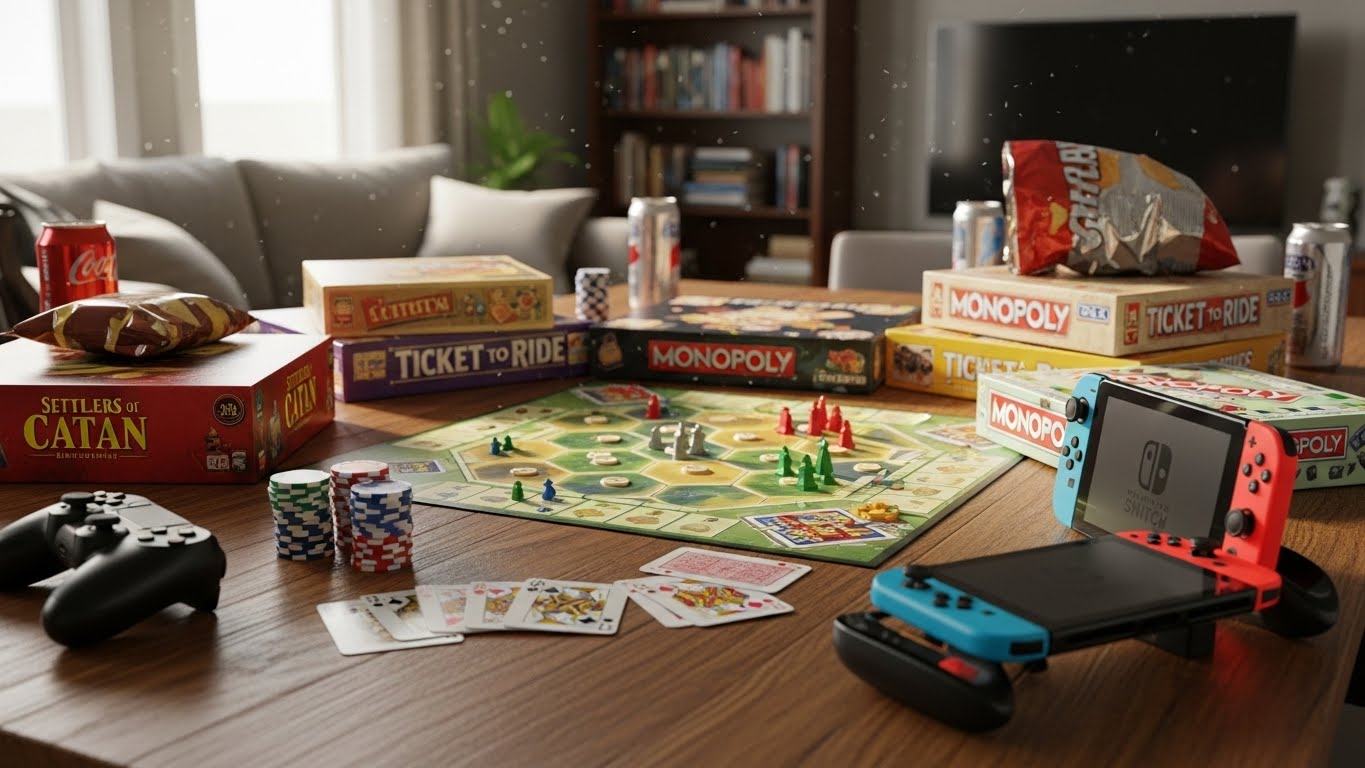
Board games are among the oldest and most enduring forms of games. They engage players in strategy, tactics, and decision-making. Classics like Monopoly, Risk, Scrabble, and Settlers of Catan challenge players to plan, negotiate, and problem-solve.
Board games foster social interaction and teamwork. They encourage communication, patience, and adaptability, making them tools for both recreation and education. The rise of modern board games demonstrates a resurgence of interest in tangible, social gaming experiences.
Card Games and Probability
Card games combine chance and strategy, requiring players to analyze probabilities, anticipate opponents’ moves, and adapt to changing circumstances. Poker, bridge, blackjack, and solitaire are examples of games that sharpen analytical thinking and decision-making.
Card games have also influenced digital gaming, inspiring mechanics in mobile and online games. They offer versatility, portability, and social engagement, making them enduring favorites across cultures and generations.
Video Games and the Digital Revolution
The advent of video games transformed the gaming landscape. Early arcade games like Pong and Space Invaders introduced interactivity and competition on a digital platform. Home consoles brought immersive experiences into living rooms, allowing players to engage with complex narratives, challenges, and multiplayer interactions.
Video games span genres including action, adventure, role-playing, simulation, and puzzle games. Titles like The Legend of Zelda, Super Mario, Minecraft, and Fortnite have become cultural icons, shaping storytelling, creativity, and community in gaming. Video games also introduced global connectivity, allowing players to interact, compete, and collaborate across borders.
Mobile Gaming and Accessibility
Mobile gaming has made games more accessible than ever. Smartphones and tablets provide convenient platforms for casual games like Candy Crush, Clash of Clans, and mobile battle royale titles. Mobile games are easy to pick up, often free-to-play, and designed to engage players in short bursts or long sessions.
The accessibility of mobile games has expanded the gaming audience, attracting casual players, social gamers, and competitive enthusiasts. Mobile platforms demonstrate how technology adapts gaming to modern lifestyles, making play a constant part of daily life.
Puzzle and Cognitive Games
Puzzle games, riddles, and brain teasers challenge mental agility, logic, and problem-solving skills. Sudoku, crosswords, Tetris, and strategy-based mobile apps stimulate critical thinking and enhance memory.
These games appeal to people of all ages, combining entertainment with cognitive benefits. They are widely used in education, therapy, and personal development, proving that games can be both fun and intellectually enriching.
Role-Playing Games and Storytelling
Role-playing games (RPGs) immerse players in fictional worlds, allowing them to adopt characters, make decisions, and explore narratives. Classic tabletop RPGs like Dungeons & Dragons encourage creativity, collaboration, and problem-solving.
Digital RPGs expand this experience, offering vast open worlds, complex storylines, and interactive choices. Games like The Witcher, Skyrim, and Final Fantasy allow players to shape their own narratives, fostering immersion and emotional connection. Role-playing games demonstrate how gaming can be a medium for storytelling, self-expression, and personal growth.
Multiplayer Games and Social Interaction
Multiplayer games bring people together, emphasizing cooperation, competition, and social bonding. Online platforms allow players to connect across the globe, creating communities, guilds, and esports teams.
Games like World of Warcraft, League of Legends, and Call of Duty encourage teamwork, strategic thinking, and communication. Multiplayer games provide social experiences where players can collaborate, compete, and develop lasting friendships. The social dimension of games highlights their power to connect individuals and foster community.
Esports and Professional Gaming
Esports represents the professionalization of gaming, transforming it into a spectator sport with global appeal. Competitive tournaments, organized leagues, and high-stakes prize pools attract millions of viewers. Games like Dota 2, League of Legends, and Counter-Strike have become major industries, with professional players, coaches, analysts, and sponsorship deals.
Esports demonstrates that gaming is not only entertainment but also a career path. Players develop skills such as strategy, teamwork, focus, and resilience. Esports also engages audiences worldwide, blending entertainment, competition, and community in a dynamic digital ecosystem.
Educational Games and Learning Through Play
Games are powerful educational tools. Learning-based games teach math, language, science, and critical thinking in engaging ways. Platforms and apps designed for education use gamification to motivate, challenge, and reward learners.
Simulation games allow students to practice real-world skills, from piloting and engineering to historical reenactments. Games provide experiential learning, making abstract concepts tangible and interactive. Educational gaming highlights the potential of play to foster knowledge, skill development, and curiosity.
The Cultural Impact of Games
Games influence culture, entertainment, and media. Iconic characters, stories, and mechanics inspire movies, books, music, and fan art. Cosplay, conventions, and streaming platforms have created new forms of cultural participation and community.
Games also address social issues, promote diversity, and offer inclusive experiences. They reflect societal values, explore moral dilemmas, and provide spaces for creativity and self-expression. Games are not merely pastimes—they are cultural artifacts that shape the way people think, create, and connect.
Technology and Innovation in Gaming
Advancements in technology continually redefine gaming experiences. Virtual reality (VR) and augmented reality (AR) create immersive worlds, while artificial intelligence enhances game mechanics, character behavior, and storytelling. Cloud gaming enables high-quality experiences without powerful hardware, expanding access and convenience.
Technology allows developers to create expansive, interactive worlds with stunning visuals, realistic physics, and complex narratives. It also facilitates multiplayer experiences, streaming, and content creation, bridging the gap between players, creators, and audiences.
Challenges in Gaming
Despite its benefits, gaming faces challenges. Addiction, excessive screen time, online harassment, and microtransactions are ongoing concerns. Representation and inclusivity remain critical issues, as diverse voices and stories continue to fight for recognition.
Balancing entertainment with ethics, accessibility, and social responsibility is essential. Game developers, educators, and communities play a role in creating safe, engaging, and inclusive experiences that maximize the positive impact of gaming.
The Future of Games
The future of games is expansive and exciting. Artificial intelligence, VR, AR, and cloud computing will enable new forms of immersive gameplay. Social, cooperative, and competitive experiences will continue to evolve, creating dynamic digital ecosystems.
Games will become even more integrated into education, entertainment, and social interaction. The line between play, learning, and storytelling will blur, offering experiences that are engaging, meaningful, and transformative. Gaming will remain at the forefront of innovation, shaping culture, technology, and human creativity.
Conclusion
Games are more than entertainment—they are a reflection of human creativity, strategy, and culture. From ancient board games to modern digital and multiplayer experiences, games entertain, educate, and connect people worldwide.
They foster problem-solving, social interaction, personal growth, and community. As technology continues to advance, games will offer richer, more immersive, and inclusive experiences. The world of games is limitless, providing opportunities for learning, connection, and creativity that extend far beyond the screen or board.
Games are a universal language, a source of joy, challenge, and inspiration. They remind us that play is an essential part of being human, shaping our minds, our culture, and the way we interact with the world.