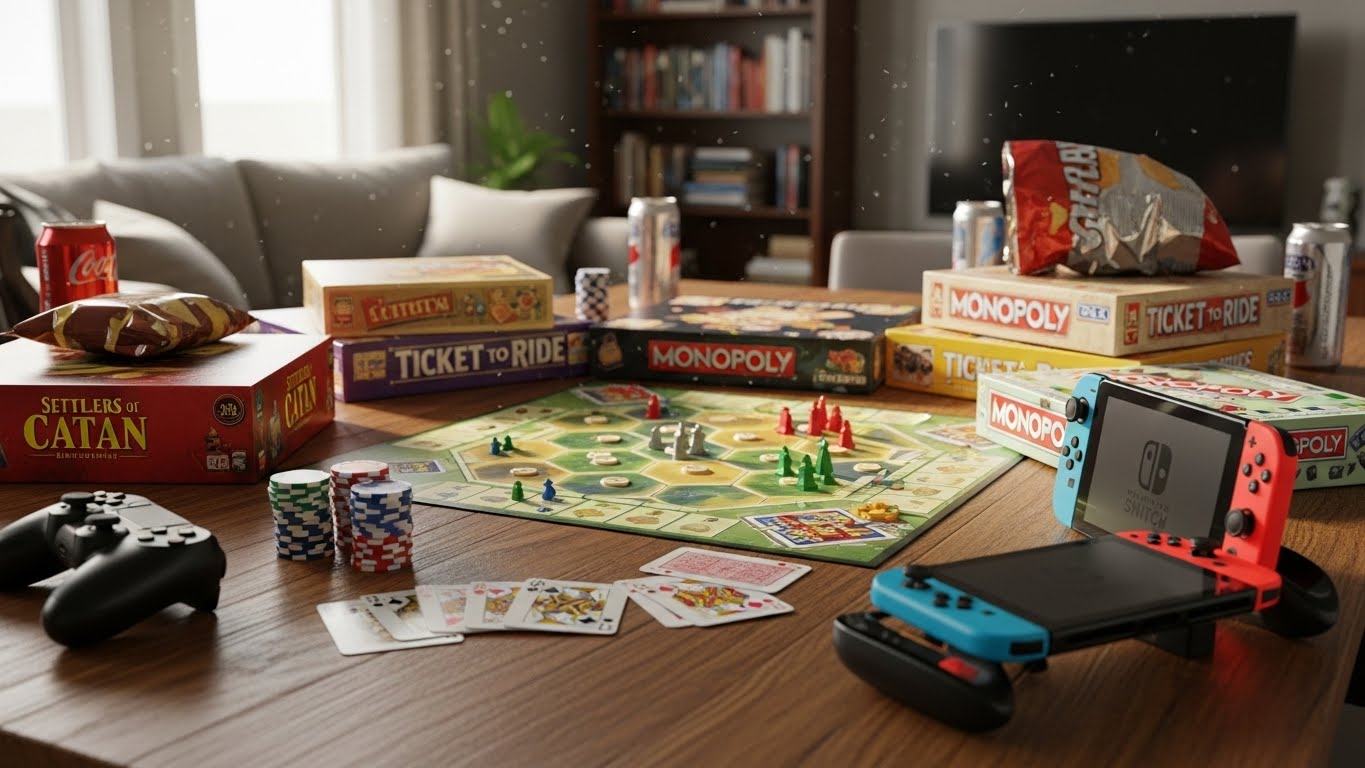

Games have been an integral part of human culture for millennia. From the ancient Egyptians to modern-day digital enthusiasts, games have been a medium for entertainment, skill development, socialization, and even education. While the types and mediums of games have transformed dramatically over the years, their core purpose remains unchanged: to provide a sense of enjoyment, challenge, and escape. Today, we explore the evolution of games, focusing on how they have developed from simple pastimes to immersive digital experiences.
The Ancient Beginnings of Games
Games have a long history, dating back to ancient civilizations. The earliest known board game, Senet, was played by the Egyptians as early as 3100 BCE. It was a game of strategy, requiring players to move pieces across a board according to specific rules. Similarly, the ancient Chinese are credited with creating Go, a strategy board game that is still popular today.
In addition to board games, early humans engaged in physical games and sports. The Greeks introduced the Olympic Games in 776 BCE, setting the foundation for competitive sports. These early games and sports, although very different from what we know today, served as a form of recreation, social bonding, and competition.
As civilization advanced, so did the complexity and variety of games. The rise of the printing press in the 15th century paved the way for card games, which became immensely popular in the 16th and 17th centuries. Games like Tarot and Poker quickly spread throughout Europe, becoming staples in social gatherings.
The Birth of Modern Gaming: Board Games and Card Games
The 19th century marked the birth of modern board games. Monopoly, created in 1935, is one of the most iconic examples of a game that combines luck, strategy, and real estate. Its popularity endures to this day, having been translated into dozens of versions worldwide.
In the 20th century, card games continued to be a popular form of entertainment. Games like Bridge and Rummy captured the attention of players worldwide, and tournaments for these games grew in both size and prestige. The invention of UNO in 1971 introduced a more accessible card game that appealed to a broader audience, becoming a family favorite.
Simultaneously, the advent of board game cafes and dedicated game nights solidified board games as a social activity. In these environments, players could engage in games ranging from classic Scrabble and Risk to more contemporary titles like Settlers of Catan and Codenames.
The Digital Revolution: Video Games Enter the Scene
The late 20th century saw the rise of digital technology, which drastically transformed the landscape of gaming. Video games began to take center stage, and by the 1980s, they were beginning to dominate popular culture. The first arcade games, like Pong (1972) and Space Invaders (1978), were rudimentary by today’s standards but were groundbreaking for their time. These games, played on large machines in public spaces, offered players a new kind of entertainment—one that combined action, reflexes, and hand-eye coordination.
The 1980s and 1990s saw the introduction of home consoles, which allowed players to enjoy video games in their own living rooms. The Nintendo Entertainment System (NES) and Sega Genesis became household names, introducing iconic games such as Super Mario Bros., The Legend of Zelda, and Sonic the Hedgehog. These games provided players with more complex worlds, immersive stories, and enhanced graphics compared to arcade games.
In addition to home consoles, personal computers played a significant role in shaping the video game landscape. PC gaming offered more advanced graphics and processing power, making it ideal for complex simulation games like The Sims, Warcraft, and SimCity. Meanwhile, the rise of online gaming began in the 1990s with multiplayer games like Quake and Doom, which allowed players to compete against each other over local area networks (LANs) or the internet.
The Era of Mobile Gaming: Games Everywhere
The 2000s saw another shift in the gaming landscape with the rise of mobile gaming. The proliferation of smartphones, tablets, and handheld consoles made gaming more portable than ever before. Mobile games allowed players to carry entire game libraries in their pockets, making gaming accessible at any time and anywhere.
Some of the most popular mobile games of this era include Angry Birds, Candy Crush, and Pokémon Go. These games were easy to pick up, had short play sessions, and became instant hits. Pokémon Go, released in 2016, introduced augmented reality (AR) to the mainstream, blending the physical world with virtual gameplay. Players had to physically travel to different locations to catch Pokémon, creating a unique and engaging experience that merged the digital and real worlds.
Mobile games also introduced the concept of microtransactions, where players could purchase in-game items or upgrades. While this business model has been controversial in some circles, it has become a significant revenue stream for many developers. Mobile gaming has made significant strides in both accessibility and innovation, with companies like Supercell, Niantic, and King dominating the market.
The Rise of Online Multiplayer and eSports
In the 2010s, the gaming industry experienced a rapid rise in online multiplayer games. Titles like Fortnite, League of Legends, Minecraft, and Overwatch transformed the way people interact with games. These games allow players from around the world to connect, cooperate, or compete in real-time, fostering a sense of community and collaboration that was previously difficult to achieve in gaming.
The growth of eSports—organized competitive video gaming—also exploded during this period. Events like The International (Dota 2), League of Legends World Championship, and Overwatch League attracted millions of viewers worldwide, offering players the opportunity to turn their gaming skills into professional careers. eSports tournaments now offer multi-million-dollar prize pools, and players have become global celebrities, with sponsorships, streaming deals, and endorsement opportunities.
Streaming platforms like Twitch and YouTube Gaming have allowed gamers to broadcast their gameplay to a global audience, creating a new form of entertainment. Viewers can interact with their favorite players in real-time, creating a dynamic and engaging community.
The Future of Gaming: Virtual Reality, AI, and Blockchain
As we move into the future, the gaming industry is poised for even more innovation. Virtual Reality (VR) and Augmented Reality (AR) are expected to take gaming to the next level, creating fully immersive worlds that players can physically interact with. Headsets like the Oculus Rift and HTC Vive are already offering a taste of this new frontier, allowing players to step inside the game.
The role of Artificial Intelligence (AI) in gaming is also expanding. AI-powered characters and game environments can adapt to the player’s actions, making the gaming experience more dynamic and unpredictable. This could lead to more personalized gameplay, where no two sessions are alike.
Moreover, blockchain technology may soon play a role in the future of gaming. Games built on blockchain could allow players to truly own their in-game assets, such as skins, weapons, or characters. This could lead to new forms of player-driven economies and marketplaces, as well as provide players with the ability to trade or sell items across games.
Games as a Social and Cultural Phenomenon
Beyond entertainment, games have become a cultural phenomenon. They provide a platform for creativity, self-expression, and socialization. Games like Minecraft and Roblox allow players to build their worlds, create stories, and share their experiences with others. Many games also provide players with opportunities to explore different cultures, historical events, or fantastical realms, offering a unique form of storytelling.
Moreover, games have become an avenue for professional careers. From game development to eSports, voice acting, and streaming, there are now countless ways for individuals to turn their passion for gaming into a livelihood. The gaming industry has also led to the growth of related sectors, such as game journalism, game design, and game-related merchandise.
Conclusion: The Everlasting Appeal of Games
Games have evolved from simple pastimes to complex digital experiences that shape culture, entertainment, and even society. Whether through traditional board games, video games, or mobile games, the core principle remains the same: to provide a form of enjoyment, challenge, and escape. With the rise of online gaming, eSports, VR, and AI, the future of games looks more exciting than ever.
As technology continues to advance, we can expect even more innovation in the gaming world. What began as a way to pass the time is now a global phenomenon that connects people from all walks of life. The future of gaming holds endless possibilities, and it’s safe to say that games will continue to be a central part of human culture for generations to come.