Introduction: Games as More Than Entertainment
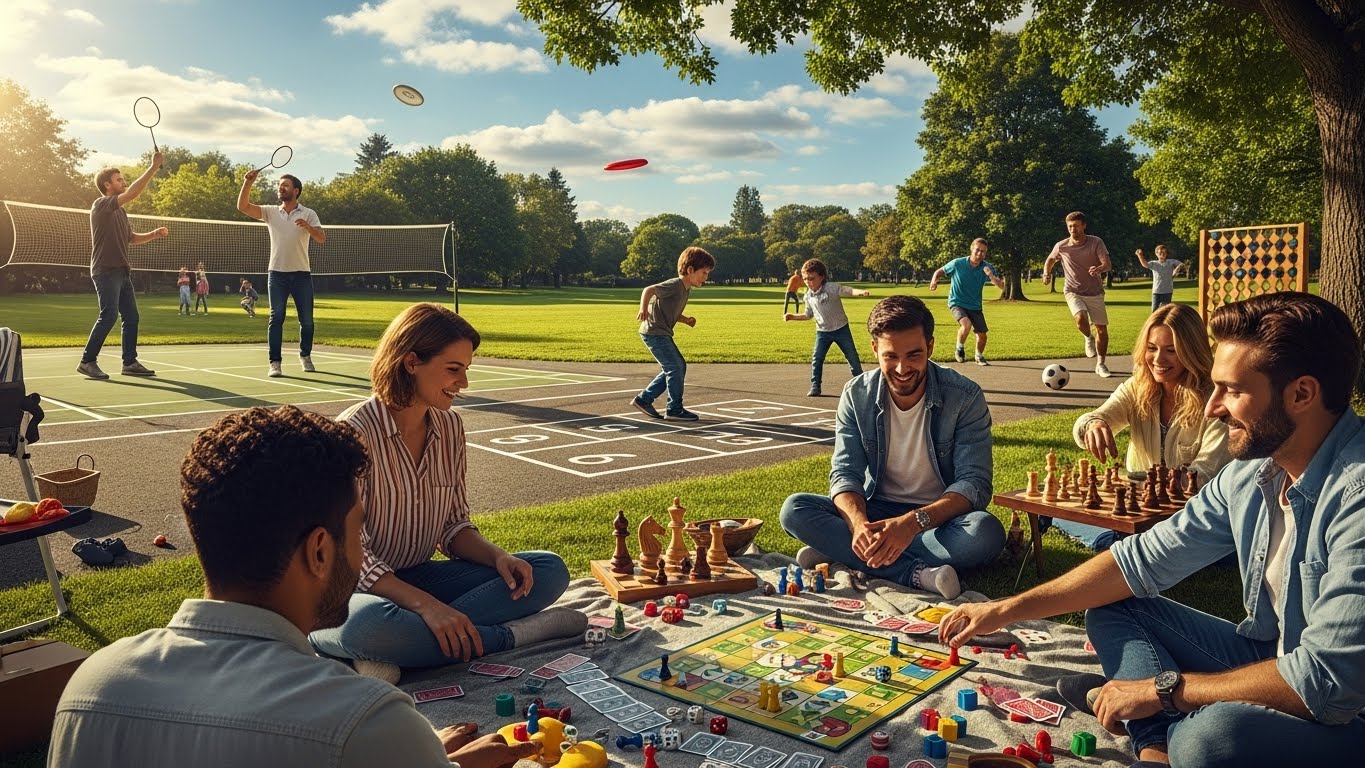
Games have long been a part of human society, from ancient board games to modern digital experiences. They are more than just a way to pass time—they are tools for learning, social interaction, problem-solving, and creativity. The modern gaming landscape is incredibly diverse, encompassing board games, card games, sports, tabletop role-playing, and video games. Each type of game offers unique experiences that challenge the mind, engage the senses, and foster human connection. This blog explores the evolution of games, their cultural impact, cognitive benefits, social significance, and future possibilities.
The Origins of Games: A Historical Perspective
Games have existed for thousands of years, serving both recreational and educational purposes. Early examples include ancient Egyptian board games, strategy games like Chess, and traditional sports in various cultures. These games were designed to teach strategy, patience, and cooperation while providing entertainment.
As societies evolved, games became more complex. In Europe, Chess became a symbol of intelligence and strategy, while in Asia, Go challenged players with deep tactical thinking. The core principles of games—rules, objectives, challenges, and competition—have remained consistent, demonstrating their timeless appeal.
Board Games: Strategy, Socialization, and Fun
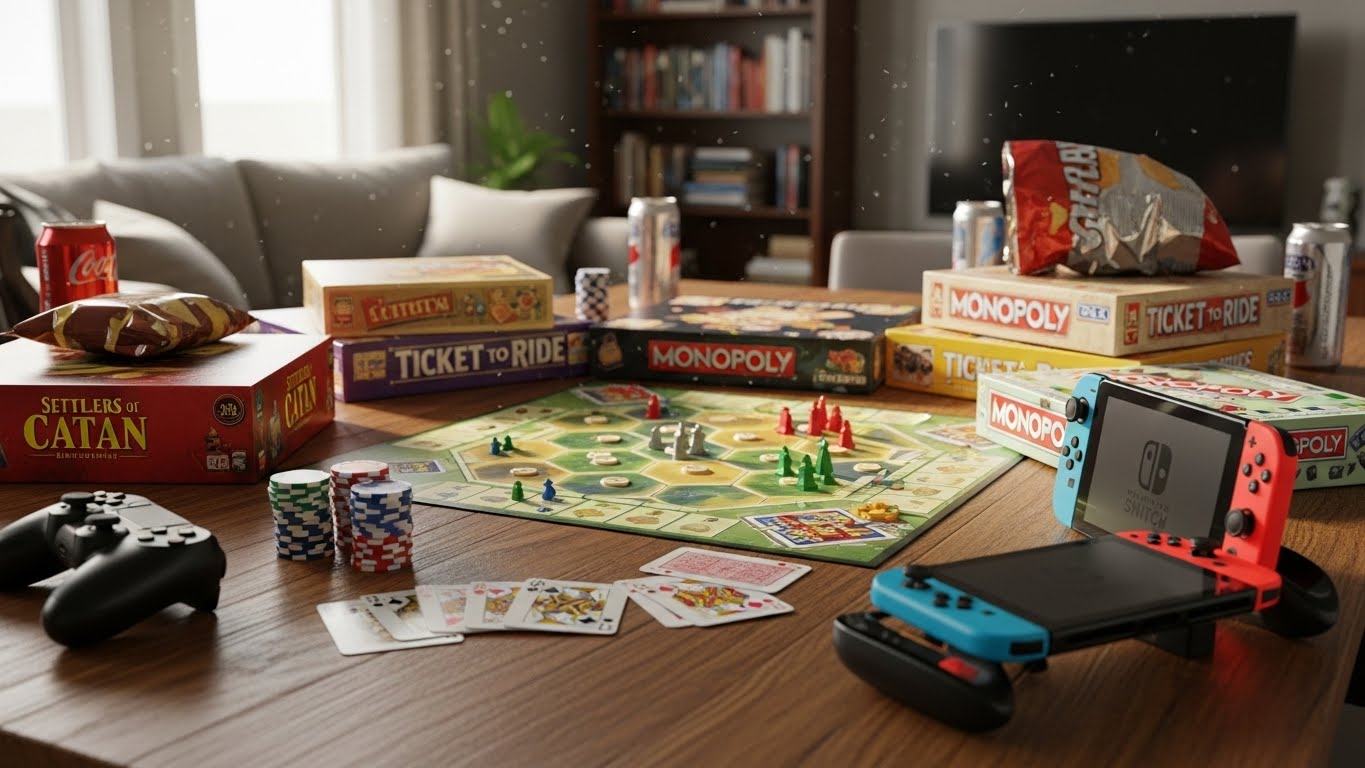
Board games have remained popular for centuries, combining strategy, chance, and social interaction. Classic games like Monopoly, Risk, and Scrabble have entertained generations, while newer tabletop games offer complex narratives, cooperative gameplay, and creative challenges.
Board games foster critical thinking and decision-making skills. Players must plan ahead, manage resources, and anticipate opponents’ moves. Socially, they encourage communication, teamwork, and friendly competition. In an age of digital entertainment, board games provide a tangible, interactive experience that encourages face-to-face interaction.
Card Games: Skill, Luck, and Connection
Card games, both traditional and modern, offer a unique combination of strategy and chance. Games like Poker, Bridge, and Rummy require skill, probability assessment, and psychological insight, while collectible card games like Magic: The Gathering combine strategy with storytelling and creativity.
Card games are also social tools. They bring people together in casual or competitive settings, fostering bonds, conversation, and friendly rivalry. The balance of luck and skill keeps players engaged, making each session unpredictable and exciting.
Sports and Physical Games: Movement Meets Strategy
Physical games and sports have always been an essential form of human play. From soccer and basketball to traditional games like tag and hide-and-seek, sports combine physical skill, strategy, and teamwork.
Participation in sports develops coordination, endurance, and agility while teaching valuable life skills such as discipline, perseverance, and sportsmanship. Beyond the physical benefits, sports create social cohesion, unite communities, and provide shared experiences that transcend age, culture, and geography.
Video Games: The Digital Frontier
Video games have transformed the concept of play in the modern era. Early arcade games like Pong and Space Invaders captivated audiences with simple mechanics and competitive challenges. With the advent of home consoles and computers, gaming became accessible to millions, offering complex worlds, narratives, and multiplayer experiences.
Modern video games range from casual mobile apps to massive multiplayer online role-playing games. They combine storytelling, art, music, and technology to create immersive experiences. Video games challenge players’ reflexes, strategy, creativity, and problem-solving abilities while offering opportunities for social interaction in both local and online communities.
The Cognitive Benefits of Games
Games are not just entertaining; they enhance cognitive development and problem-solving skills. Strategy games improve planning, logical reasoning, and decision-making. Puzzle games enhance pattern recognition and critical thinking, while simulation games teach resource management and risk assessment.
Even games that rely on chance, such as card games or certain board games, develop adaptive thinking and probabilistic reasoning. Research has shown that gaming can enhance memory, multitasking, and spatial awareness. Games stimulate the brain in unique ways, offering benefits that extend beyond recreation.
Games and Social Interaction
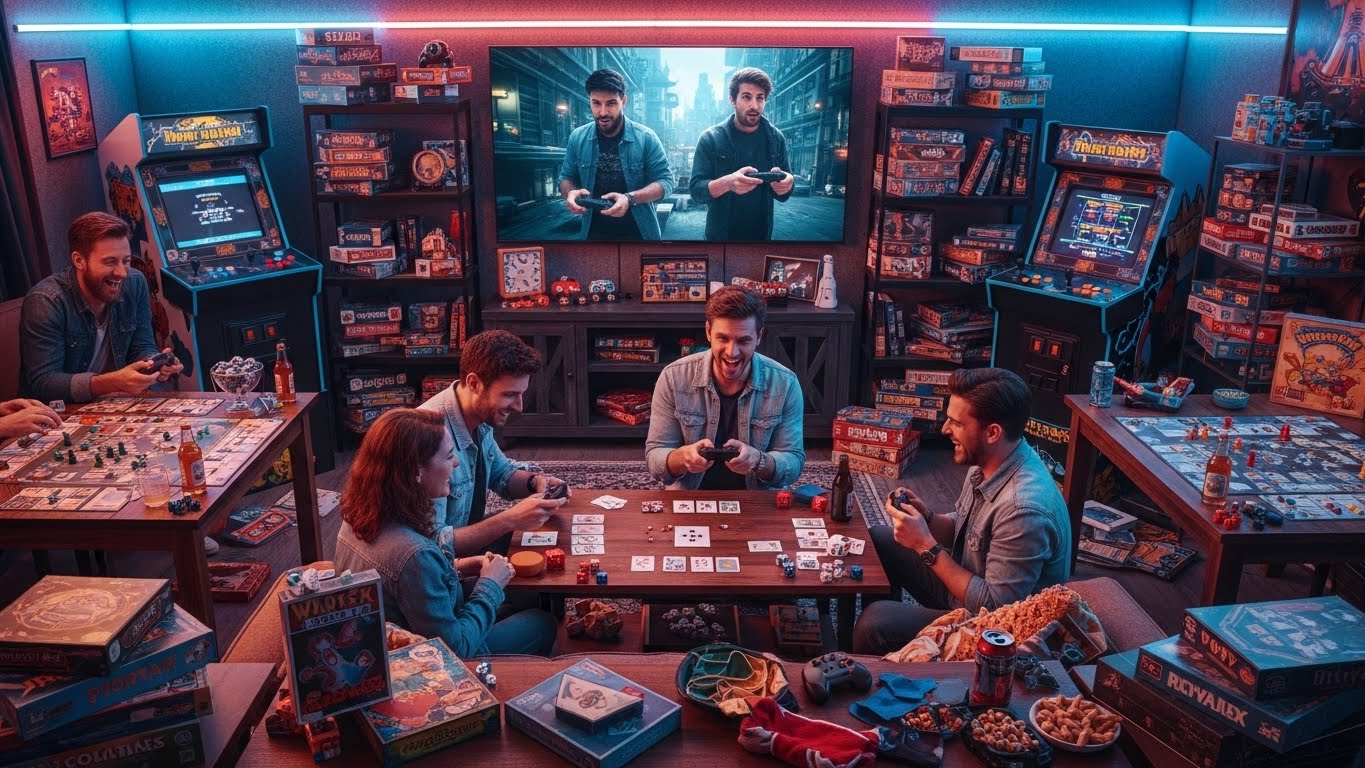
Games have a profound social dimension. Multiplayer games, whether physical or digital, require communication, collaboration, and negotiation. Online games create global communities, allowing players to connect across cultures, languages, and time zones.
Games foster teamwork through cooperative challenges, competition through tournaments and leagues, and social bonding through casual play. For many, gaming is a way to meet new people, maintain friendships, and engage in meaningful social interactions. The collaborative and competitive aspects of games make them powerful tools for building social skills and empathy.
The Role of Storytelling in Games
Storytelling has become a central component of modern games. Video games, role-playing games, and some board games incorporate narratives that allow players to make choices and influence outcomes. This interactivity distinguishes games from other forms of media.
Story-driven games engage players emotionally, offering immersive experiences that blend adventure, strategy, and creativity. The ability to affect the story empowers players, encouraging exploration, experimentation, and imaginative thinking. Storytelling in games connects players to characters, worlds, and ideas in ways that are both entertaining and meaningful.
Competitive Gaming and Esports
Competitive gaming has grown into a global phenomenon known as esports. Players train rigorously, mastering mechanics, strategies, and teamwork to compete in high-stakes tournaments. Popular games in esports include first-person shooters, real-time strategy games, and sports simulations.
Esports organizations operate like professional sports teams, complete with coaching, analytics, and sponsorships. Competitive gaming offers career opportunities not only as a player but also in event management, broadcasting, and content creation. Esports demonstrates that gaming can be more than a hobby—it can be a professional pursuit requiring skill, dedication, and discipline.
Games as Creative Expression
Games are a medium for creativity and innovation. Developers design worlds, mechanics, characters, and stories that challenge the imagination. Players, in turn, often engage creatively through modding, fan fiction, and custom game content.
Games allow people to experiment with problem-solving, storytelling, and artistic expression in a safe, interactive environment. They encourage thinking outside the box, exploring alternative strategies, and expressing individuality. This creative potential makes games a unique combination of art and entertainment.
The Technological Future of Games
The future of gaming is intertwined with technological advancement. Virtual reality and augmented reality are creating immersive experiences that blend the physical and digital worlds. Artificial intelligence enhances gameplay by adapting challenges, creating dynamic characters, and personalizing experiences for each player.
Cloud gaming allows access to high-quality experiences without the need for expensive hardware. As technology evolves, games will become more interactive, realistic, and accessible. The possibilities for learning, social interaction, and creative expression in gaming are virtually limitless.
Maintaining Balance in Gaming
While games offer numerous benefits, balance is essential. Excessive play can impact physical health, social life, and productivity. Players should practice moderation, take regular breaks, and engage in other activities to ensure a healthy lifestyle.
Parents and educators play a key role in guiding younger players. Encouraging diverse game types, setting reasonable playtime limits, and promoting offline social activities ensure that gaming remains positive and constructive. When approached mindfully, games enhance life rather than hinder it.
Conclusion: Games as a Reflection of Human Creativity and Culture
Games have evolved from simple amusements to complex cultural artifacts. They stimulate the mind, foster social connections, and provide outlets for creativity. From ancient board games to cutting-edge video games, they reflect human ingenuity and the desire to learn, compete, and connect.
Games are more than entertainment—they are educational tools, social platforms, and forms of artistic expression. They challenge players, inspire imagination, and bring people together. As technology and creativity continue to advance, games will remain a vital part of human culture, shaping the way we think, interact, and explore new possibilities.