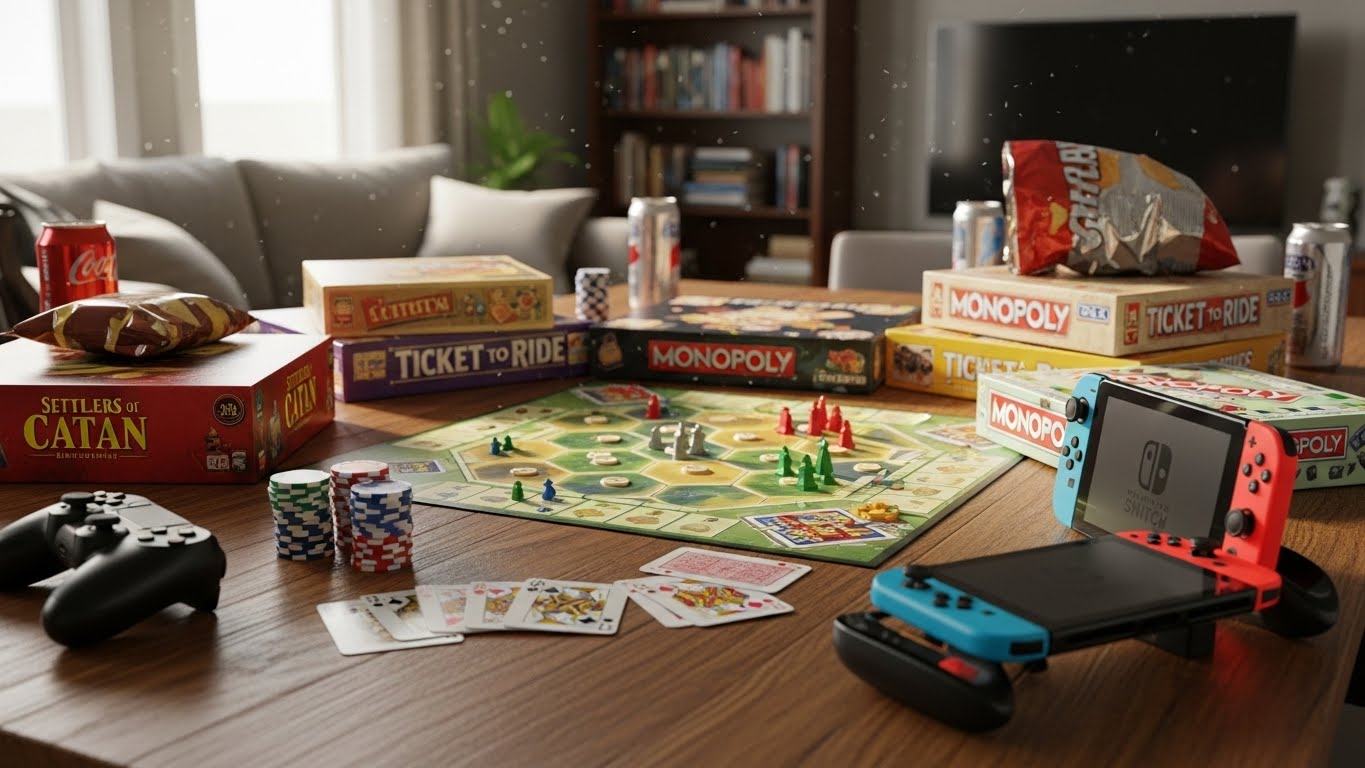

In the ever-expanding world of gaming, there are countless titles that follow well-established formulas. Whether it’s action-packed shooters, immersive RPGs, or heart-racing sports simulators, most games stick to familiar mechanics and narratives that players know and love. However, there is a special category of games that stand out for their innovation, creativity, and willingness to break the mold. These games offer something unique—whether through gameplay, story, or aesthetic—and provide players with experiences unlike anything else on the market. In this blog post, we will explore some of the most innovative games with unique titles, delving into what makes them so special and how they continue to shape the gaming landscape.
The Rise of Unconventional Gameplay
At its core, gaming is about interaction, challenge, and engagement, but what happens when a game decides to rewrite the rulebook on what interaction can be? Some of the most memorable and influential games in recent years have taken unconventional approaches to gameplay, presenting players with challenges that aren’t just about shooting enemies or collecting coins.
One such game is Untitled Goose Game. This puzzle-adventure title has players take control of a mischievous goose wreaking havoc in a quaint village. Unlike most games, where the protagonist is tasked with saving the world or overcoming great obstacles, the goal here is simple: cause as much trouble as possible. The goose steals items, scares people, and generally creates chaos. The beauty of this game lies in its simplicity—there are no complex combat mechanics or intricate leveling systems. Instead, players are given the freedom to explore the environment and complete tasks at their own pace. The result is a game that is not only fun and humorous but also a delightful subversion of the traditional gaming experience.
Another standout example of unconventional gameplay is Papers, Please. In this dystopian simulation game, players assume the role of a border control officer in a fictional, totalitarian state. Instead of the usual fare of combat or exploration, Papers, Please challenges players to inspect passports, check documents, and make life-altering decisions. The game’s unique premise lies in its slow-burn tension and moral complexity. Players must decide who gets to enter the country, often dealing with difficult ethical dilemmas. Should you let in a family that is seeking asylum, even if their documents are incomplete? The consequences of your choices are far-reaching, and the narrative develops based on your actions. It’s a game that turns the mundane task of checking paperwork into an emotionally charged and morally gray experience.
Narrative Innovation: Storytelling Beyond the Traditional
Games are increasingly being recognized as a powerful storytelling medium. Traditionally, video game narratives have followed familiar structures—heroes embarking on epic quests, villains seeking domination, and the player battling through levels to reach a climactic finale. However, a growing number of games are stepping away from these conventional tropes, offering players narratives that are more experimental, interactive, and emotionally complex.
One such game is The Stanley Parable. In this first-person exploration game, players control Stanley, an office worker who suddenly finds himself in an empty building with no one else around. As the story unfolds, a narrator guides the player through the environment, offering commentary on the player’s actions. However, the real twist comes when the player begins to realize that their choices might not matter. The narrator reacts to every decision the player makes, offering a variety of story outcomes, but none of them are truly conclusive. The Stanley Parable uses its narrative to explore the concept of free will in games and to question the player’s role in storytelling. It’s a game that invites players to reflect on the very nature of choice in interactive media.
Similarly, Her Story redefines the traditional narrative structure by presenting players with a series of video clips of a woman being interrogated by the police. Instead of following a linear storyline, players must search for keywords and piece together the truth by watching the clips in a non-linear fashion. The game is as much about the act of discovery as it is about the story itself. By allowing players to investigate and unravel the narrative at their own pace, Her Story creates a unique sense of immersion and engagement. It is a prime example of how video games can use interactive storytelling techniques to offer a narrative experience unlike anything found in traditional media.
Visual Innovation: Art That Speaks for Itself
While many games today rely on realistic graphics and intricate textures, some titles embrace a more abstract or minimalist visual style. These games use art not just as a visual representation of the game world but as an integral part of the overall experience. The art direction often shapes the mood, tone, and storytelling of the game, making it a key element of the gameplay itself.
One such game is Gris, a stunning platformer that uses hand-drawn art to tell an emotional story. The game’s world is painted in soft watercolor hues, and as the protagonist progresses through the different stages of grief, the world around her changes in both color and structure. The lack of text or spoken dialogue allows the artwork to speak for itself, with each area reflecting the protagonist’s internal struggles. The visual storytelling is deeply emotional, with the use of color symbolizing various aspects of grief. This kind of art direction turns the game into more than just a visual experience—it’s a deeply personal and emotional journey.
Another game that takes a unique approach to visual design is Monument Valley. This puzzle game uses an isometric perspective to create impossible geometric landscapes. The player guides a character through these surreal environments, which are filled with optical illusions and perspective-based puzzles. The minimalist art style is visually striking, with clean lines, bright colors, and whimsical architecture. What makes Monument Valley so special is how the design of the levels and the optical illusions play a fundamental role in the gameplay itself. It’s a game that feels like a work of art, and the puzzles are more than just challenges—they are a way to interact with the world and explore the visual themes of the game.
Sound Design: Crafting the Mood
Sound design in games is often an underappreciated aspect, but in some titles, it becomes an essential component of the overall experience. The music, sound effects, and ambient noise of a game can have a profound impact on how players perceive the world they are navigating. In many cases, sound helps to set the emotional tone, enhance the atmosphere, and even drive the gameplay.
Hyper Light Drifter is an example of a game that uses sound to elevate its emotional impact. The soundtrack, composed by Disasterpeace, creates an intense atmosphere, with haunting melodies that enhance the game’s sense of mystery and danger. The sound design works in tandem with the visual elements, guiding players through an alien world that feels both beautiful and perilous. The use of sound in Hyper Light Drifter creates a sense of immersion that draws players into its world, making the audio an integral part of the gameplay experience.
Another game that showcases the importance of sound design is Sound Shapes. This platformer integrates music and sound into its gameplay mechanics, allowing players to create music as they progress through the levels. Each action, such as jumping or collecting objects, generates sound, and the environment itself is filled with musical elements. As players move through the levels, they contribute to the evolving soundtrack, making each playthrough unique. Sound Shapes is a prime example of how sound can be used not just as background noise but as an interactive and dynamic part of the gameplay experience.
Blending Genres: A New Type of Gameplay
Another hallmark of innovative games is their ability to blend genres in unexpected ways. These hybrid games take elements from various types of gameplay and combine them to create something new and exciting. By blending different gameplay styles, these titles offer fresh experiences that keep players on their toes.
Dead Cells is one of the best examples of genre-blending. Combining rogue-like elements with the exploration and combat mechanics of a metroidvania, Dead Cells creates a fast-paced and dynamic experience where no two playthroughs are the same. The procedural generation of levels, combined with the ever-changing progression of abilities, ensures that each run feels unique. The game’s fluid combat system, mixed with rogue-like unpredictability, keeps players engaged as they strive to get further with each attempt.
Another genre-bending game is The Binding of Isaac, which blends rogue-like mechanics with dungeon crawling and bullet-hell gameplay. In the game, players explore randomly generated dungeons, collecting items and battling enemies in an unpredictable environment. The randomness of the levels and items ensures that every playthrough is different, creating a high level of replayability. By mixing elements from different genres, The Binding of Isaac offers a fresh take on the dungeon crawler formula, keeping the experience exciting and challenging.
The Legacy of Unique Games
The impact of games with unique titles extends far beyond their initial success. These games inspire other developers to think outside the box and push the boundaries of what games can be. They show that it’s possible to create experiences that are deeply engaging, emotionally resonant, and creatively rewarding—without relying on traditional formulas.
In a gaming landscape dominated by sequels, remakes, and franchises, these innovative games serve as a reminder of the power of originality. They encourage both players and developers to embrace new ideas and experiment with different types of gameplay, storytelling, and design.
Conclusion
The world of gaming is filled with a diverse array of titles, but it’s the games with unique titles that stand out and capture our imagination. Whether through unconventional gameplay, experimental storytelling, stunning visuals, or innovative sound design, these games offer players an experience that is fresh, exciting, and often deeply personal. As technology continues to advance and the gaming industry grows, we can expect even more titles that challenge our understanding of what games can be. For those seeking something different, these games offer a glimpse into the future of interactive entertainment—a future where creativity and innovation know no bounds.