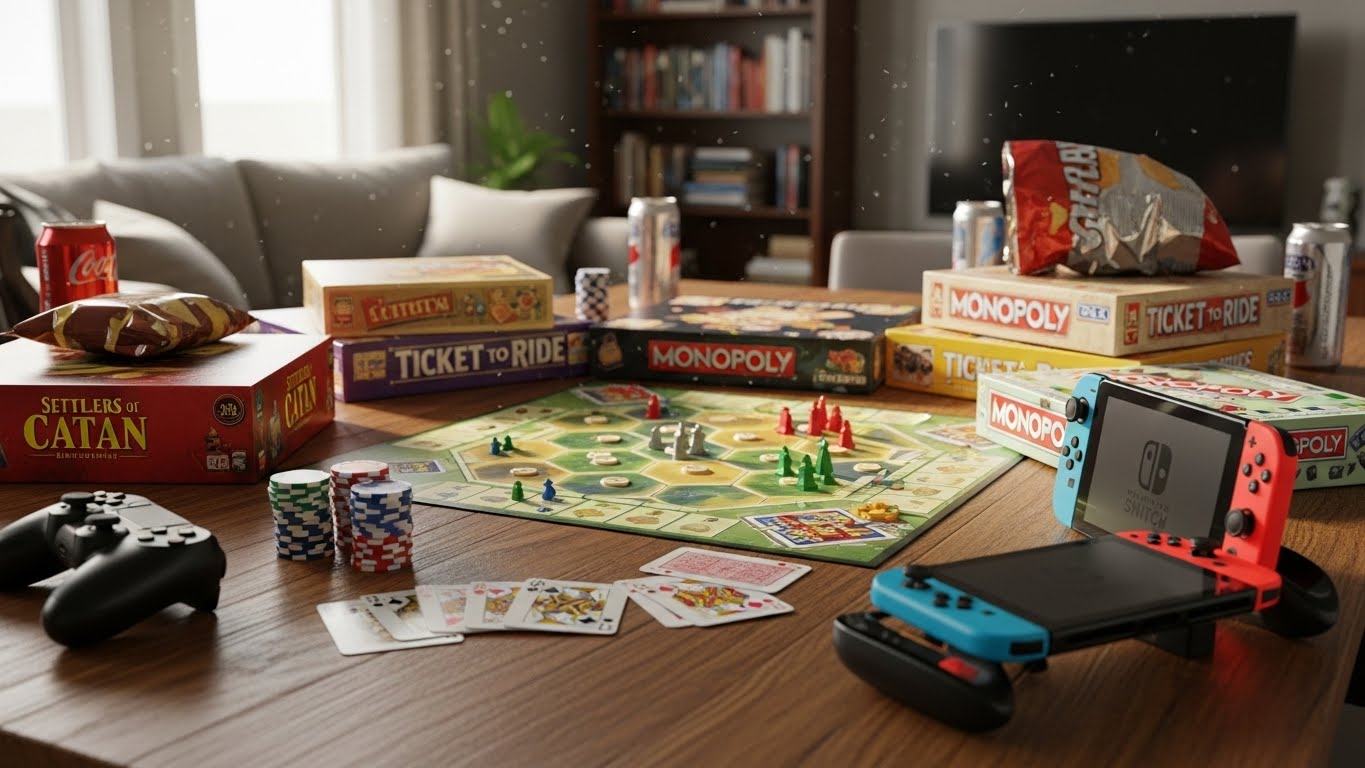

Games have always been a cornerstone of human culture. From ancient board games to the sophisticated digital experiences of today, gaming has evolved into a multi-billion-dollar industry that spans across all age groups and continents. What began as simple forms of entertainment and competition have now become complex universes of story, strategy, and skill. In this blog post, we will explore the history of games, their cultural significance, the diverse types of games available today, and how technology continues to reshape the gaming landscape.
The Birth of Games: From Ancient Civilizations to the Renaissance
The concept of gaming dates back thousands of years. The earliest forms of games were created for both entertainment and intellectual stimulation. Evidence suggests that games like Senet, which originated in ancient Egypt around 3100 BCE, and the Royal Game of Ur in Mesopotamia were among the first games that combined elements of chance and strategy. These early games were not just a form of leisure; they also had spiritual and social significance, often being used to simulate or mirror life’s challenges.
In ancient civilizations, games also served as tools for training warriors and tacticians. The game of chess, for example, traces its origins back to ancient India and Persia and was used as a military training exercise for strategists. Its deep strategic elements have made it one of the most enduring games in history, with professional tournaments still held today.
As societies evolved, so did the complexity and variety of games. By the Renaissance, the development of board games such as backgammon and playing cards helped bring games into social settings, where they became a popular pastime among all levels of society. These games were a precursor to the modern gaming landscape, where the lines between competition, strategy, and entertainment would continue to blur.
The Rise of Video Games: A Digital Revolution
The mid-20th century saw the advent of video games, and it wasn’t long before they would reshape the entertainment world. The first commercially successful video game, Pong, was created by Atari in 1972. The simplicity of Pong, a basic two-player tennis game, was groundbreaking at the time, and it sparked the development of an entire industry.
Early Video Games: Simple Graphics, Big Impact
In the 1980s, video games began to gain mass popularity with the advent of arcade machines. Games like Pac-Man, Donkey Kong, and Space Invaders became cultural phenomena. These early games were relatively simple, but they had a profound impact on the entertainment industry, creating a new form of interactive experience.
The rise of home consoles further expanded the reach of video games. The introduction of the Nintendo Entertainment System (NES) in the mid-1980s and later consoles such as the Sega Genesis brought gaming to living rooms around the world. These systems introduced iconic franchises like Super Mario, The Legend of Zelda, and Sonic the Hedgehog, which are still beloved by gamers today.
The 3D Revolution: Entering New Dimensions
The 1990s marked a significant shift in the gaming industry with the advent of 3D graphics. The Sony PlayStation and Nintendo 64 introduced games that featured realistic, three-dimensional environments, paving the way for more immersive and complex gameplay. Games like Super Mario 64 and Final Fantasy VII became milestones in the history of gaming, with their innovative use of 3D graphics, expansive worlds, and deeper narratives.
This era also saw the rise of multiplayer gaming, with titles like GoldenEye 007 and Quake offering competitive and cooperative play that spanned across multiple players. The ability to connect with friends for a shared gaming experience laid the foundation for the next phase of gaming: online play.
The Digital Age: Online Gaming and Mobile Revolution
As the internet became widely accessible in the 2000s, online gaming exploded in popularity. Games like World of Warcraft and Counter-Strike allowed players from around the world to connect and compete in real time, creating vibrant online communities. The rise of MMORPGs (Massively Multiplayer Online Role-Playing Games) also marked a new era where players could spend hours, or even years, immersed in virtual worlds, forming friendships and alliances with players across the globe.
In addition to PC and console gaming, mobile gaming took off in the late 2000s with the advent of smartphones. Games like Angry Birds and Candy Crush became ubiquitous, reaching millions of casual players who may not have been traditional gamers. Mobile gaming democratized access to games, making them available to anyone with a smartphone.
Today, mobile games are one of the most profitable sectors in the gaming industry, with titles like PUBG Mobile and Fortnite drawing millions of players each day. The accessibility of mobile games has also given rise to a new generation of indie developers, who can release their games on platforms like the App Store or Google Play without the need for a major publisher.
Types of Games: Exploring the Diversity of Play
The world of games is vast and varied, with something for every type of player. Whether you’re interested in strategy, action, role-playing, or creativity, there’s a game for you. Let’s take a closer look at the different categories of games that dominate the market today.
Action and Adventure Games
Action and adventure games are among the most popular genres in modern gaming. These games combine thrilling gameplay with rich storytelling, allowing players to step into the shoes of heroic characters as they explore vast, immersive worlds. Iconic titles like The Legend of Zelda: Breath of the Wild, Red Dead Redemption 2, and The Witcher 3: Wild Hunt are examples of games that blend exploration, combat, and puzzle-solving, offering deep and rewarding experiences.
These games often feature a mix of combat, platforming, and exploration, making them perfect for players who enjoy both fast-paced action and intricate narratives. The advent of open-world games, where players can roam freely and interact with dynamic environments, has taken this genre to new heights.
Role-Playing Games (RPGs)
Role-playing games allow players to step into the shoes of a character and experience their journey in an interactive world. In traditional tabletop RPGs like Dungeons & Dragons, players use dice and imagination to create stories together. However, in video games, RPGs have evolved into elaborate, story-driven experiences with detailed character customization and deep decision-making.
Some of the most beloved RPG franchises include Final Fantasy, Elder Scrolls, and Mass Effect. These games often allow players to shape the story through their choices, with character progression and immersive worlds being central to the experience. Recent RPGs like Cyberpunk 2077 and Persona 5 have pushed the boundaries of storytelling in games, offering complex narratives that rival those of movies and novels.
Strategy and Simulation Games
For players who enjoy planning, problem-solving, and critical thinking, strategy and simulation games are the go-to choice. These games challenge players to think ahead, manage resources, and make tactical decisions. Popular games like Civilization VI, StarCraft II, and SimCity are examples of strategy games where players can control entire civilizations or battle armies to outsmart their opponents.
Simulation games like The Sims and Microsoft Flight Simulator allow players to recreate real-world scenarios, whether it’s building and managing a virtual community or piloting an aircraft. These games are often slower-paced, giving players the freedom to explore and experiment without the pressure of combat.
Competitive and Esports Games
The rise of esports has made competitive gaming a global phenomenon. Games like League of Legends, Dota 2, Overwatch, and Fortnite have become household names, drawing millions of viewers to professional tournaments. Esports players train for hours each day, competing for multi-million dollar prizes and the adoration of their fanbases.
Esports has created a new form of entertainment where players and teams compete in highly organized leagues and tournaments, often streamed live on platforms like Twitch and YouTube. The esports industry has grown to include sponsorships, merchandising, and media rights, making it one of the most lucrative sectors in gaming.
Casual and Party Games
Not all games require intense skill or hours of commitment. Casual and party games provide lighthearted fun and are often designed to be accessible to players of all ages. These games can be played in short bursts, making them ideal for quick sessions or social gatherings. Popular games in this category include Mario Kart, Jackbox Party Packs, and Among Us.
These games typically focus on easy-to-learn mechanics, fun interactions, and humor. They are perfect for family gatherings, parties, or casual gaming sessions with friends. Their appeal lies in their accessibility and the joy they bring to casual players who may not be interested in more complex or competitive titles.
The Future of Gaming: Virtual Reality, AI, and Beyond
As technology continues to evolve, the future of gaming looks even more exciting. Virtual Reality (VR) and Augmented Reality (AR) are two technologies that are poised to transform the gaming experience. With VR, players can immerse themselves in fully interactive virtual worlds, while AR games like Pokémon GO blend the real and virtual worlds in innovative ways.
Artificial Intelligence (AI) is also playing a larger role in modern games. AI-driven characters can now react intelligently to players’ actions, making for more dynamic and realistic gameplay experiences. In the future, AI might even create personalized game worlds, with content tailored to each player’s actions and preferences.