Introduction
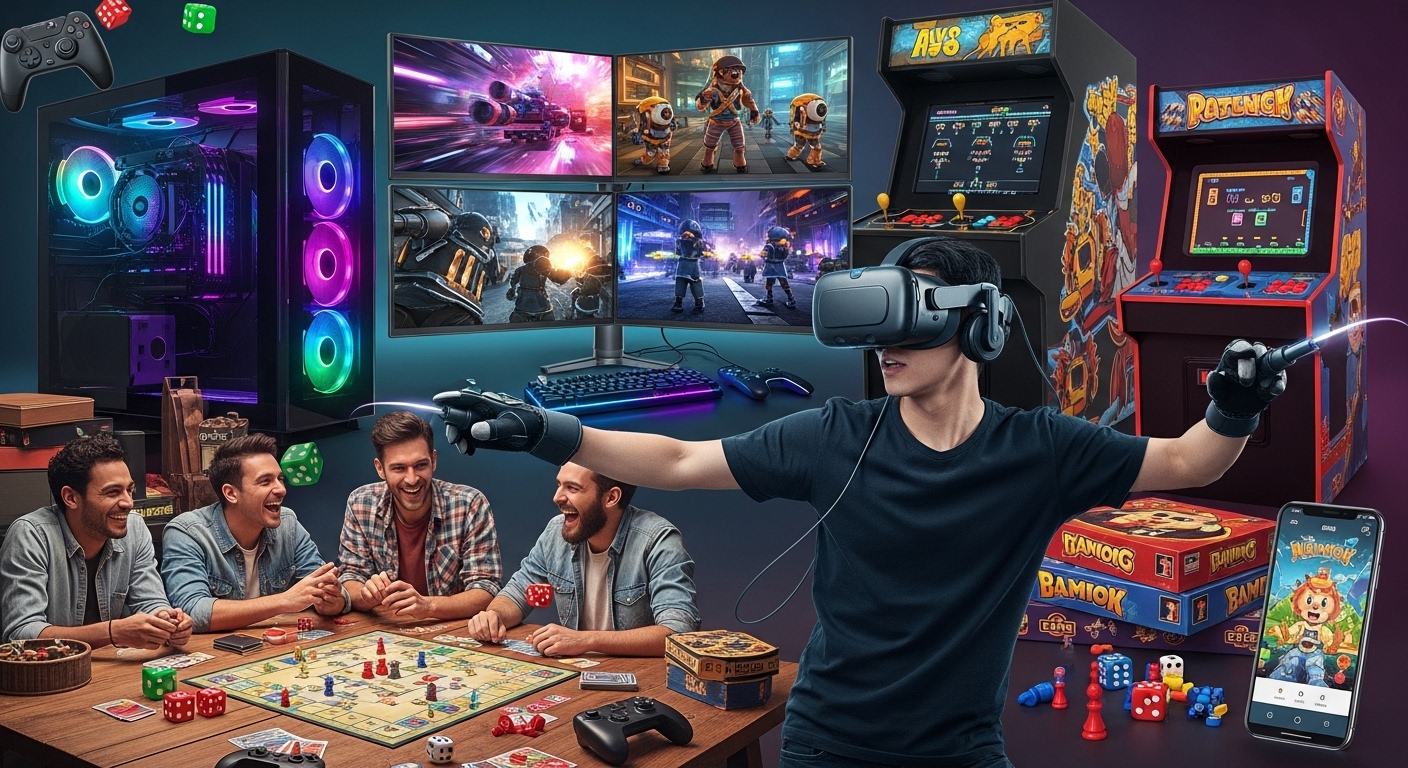
Games have always been more than just a way to pass the time. From ancient board games carved into stone to the high-definition digital experiences of today, games have been at the heart of human creativity and connection. They inspire competition, cooperation, imagination, and problem-solving. In our modern age, games have evolved into a global industry that influences education, technology, entertainment, and even social behavior. This blog explores the deep roots of gaming, its transformation through technology, and how it continues to shape the world we live in.
The Ancient Origins of Games
Long before digital screens and virtual worlds, games existed as simple yet meaningful forms of entertainment and education. Ancient civilizations like Egypt, Greece, and China developed board games to test strategy, luck, and intellect. Games such as Senet, Go, and Chess were not only sources of amusement but also reflections of societal values and philosophies. Chess, for example, represented warfare and leadership, teaching players about patience and foresight. These early games laid the foundation for human fascination with play, competition, and mental challenge.
The Birth of Modern Gaming
The 20th century marked the birth of modern gaming with the introduction of tabletop and mechanical games. The rise of games like Monopoly, Scrabble, and Risk in the mid-1900s transformed family entertainment. These games encouraged communication, critical thinking, and strategic planning. They also brought people together, reinforcing the idea that games were not just about winning but about social interaction and bonding. The physical act of sitting around a table and sharing laughter or rivalry remains one of the purest forms of human connection.
The Digital Revolution in Games
The true turning point came with the arrival of computers and video game consoles in the late 20th century. The first video games, though simple in design, opened a new dimension of entertainment. Games like Pong and Space Invaders fascinated players with their interactive nature. Soon after, the 1980s and 1990s became a golden age for gaming with titles like Super Mario, The Legend of Zelda, and Sonic the Hedgehog captivating millions. This era introduced iconic characters and franchises that still define gaming culture today.
The Evolution of Game Technology
Advancements in technology transformed games from simple pixelated experiences to visually stunning masterpieces. The introduction of 3D graphics in the 1990s revolutionized how games looked and felt. Suddenly, players could explore vast open worlds and realistic environments. Sound design, storytelling, and animation improved dramatically, making games more immersive than ever. The development of powerful consoles and gaming PCs brought cinematic quality to gameplay. Today, high-definition graphics, realistic physics, and advanced artificial intelligence create experiences that blur the line between reality and imagination.
The Rise of Online and Multiplayer Games
One of the most transformative moments in gaming history was the introduction of online multiplayer experiences. The ability to connect players from around the world changed everything. Games like Counter-Strike, World of Warcraft, and Call of Duty built global communities. Players could team up with friends or challenge strangers, forming relationships that transcended geography. Online gaming became not just about playing but about belonging. This sense of global connection gave rise to esports, streaming, and competitive gaming as mainstream phenomena.
The Cultural Impact of Games
Games have influenced culture in profound ways. Music, movies, fashion, and even language have been shaped by gaming. Iconic soundtracks, character designs, and storylines have become part of pop culture. Popular games inspire fan art, conventions, and cosplay communities. Moreover, games have introduced moral and philosophical questions that challenge players to think critically about their decisions. Titles that explore complex themes—such as survival, identity, and ethics—demonstrate that gaming is as much an art form as literature or cinema.
The Educational Power of Games
Beyond entertainment, games have become powerful tools for learning. Educational games teach math, science, history, and language in engaging ways. They enhance problem-solving, critical thinking, and teamwork skills. Simulations and strategy games allow players to experiment, make decisions, and see the consequences in real-time. In classrooms and workplaces, gamification—using game principles to motivate participation—has proven effective in improving focus and retention. Games show that learning does not have to be dull; it can be interactive, inspiring, and fun.
The Emergence of Mobile Gaming
The rise of smartphones brought gaming into everyone’s hands. Mobile gaming made play accessible to all ages and demographics. Games like Candy Crush, Clash of Clans, and PUBG Mobile demonstrated the universal appeal of gaming. Unlike traditional consoles, mobile games require no specialized hardware and can be played anytime, anywhere. This accessibility turned gaming into a daily habit for millions. It also opened doors for independent developers to create innovative and creative games without massive budgets, diversifying the industry further.
Virtual Reality and Augmented Reality: The Next Frontier
Virtual Reality (VR) and Augmented Reality (AR) represent the next major evolution of games. VR immerses players in fully digital worlds, while AR blends virtual elements with the real world. These technologies redefine how we experience play. Imagine stepping inside a fantasy world or exploring galaxies without leaving your room. AR games like Pokémon Go have already shown how interactive experiences can merge with everyday life. As these technologies continue to evolve, the future of gaming promises unparalleled immersion and creativity.
Games as a Medium for Storytelling
Modern games are not just about winning—they are about feeling. Games like The Last of Us, Red Dead Redemption 2, and Journey have redefined storytelling. They combine cinematic visuals, emotional depth, and complex characters to create narratives that resonate with players long after the game ends. Unlike passive forms of media, games allow players to shape the story through their choices, making each experience unique. This emotional engagement has turned gaming into one of the most powerful storytelling mediums of the 21st century.
The Social Connection in Gaming
Gaming has become a social experience where friendships are forged and communities thrive. Online games, chat systems, and virtual hangouts have made it easier for people to connect. During times of isolation, games have provided a sense of togetherness. They have also become platforms for collaboration, creativity, and teamwork. From multiplayer adventures to cooperative missions, gaming has redefined social interaction in the digital age.
The Business and Economic Influence of Games
The gaming industry has become one of the most profitable sectors in entertainment, surpassing both film and music combined. Major game studios and independent creators alike contribute to a thriving economy of creativity and innovation. Esports tournaments attract millions of viewers and offer million-dollar prizes. Gaming hardware, accessories, and merchandise contribute to a vast ecosystem. The economic power of gaming also drives technological advancement, influencing other industries such as education, healthcare, and even architecture through simulation and design tools.
The Psychological Benefits of Playing Games
Contrary to old stereotypes, gaming can be beneficial for mental health. Games improve focus, decision-making, and multitasking abilities. They provide a sense of achievement and relaxation. Cooperative and role-playing games help develop empathy and communication skills. Many therapeutic programs use gaming to help with anxiety, cognitive rehabilitation, and stress relief. Of course, balance is key, but when enjoyed responsibly, gaming can be a positive force for mental well-being and personal growth.
The Future of Gaming: Infinite Possibilities
The future of games holds infinite possibilities. With artificial intelligence, cloud computing, and advanced graphics, the next generation of games will be smarter, faster, and more realistic. Cloud gaming allows players to stream high-quality games without expensive hardware, making gaming more inclusive. Artificial intelligence will personalize gaming experiences, adapting to each player’s style and preferences. The blending of virtual and real worlds will create experiences that go beyond imagination. As technology advances, the line between reality and gaming will continue to blur, making the future of play more exciting than ever.
Conclusion
Games have always been a reflection of humanity—our desire to learn, compete, connect, and dream. From the ancient stones of Senet to the virtual galaxies of modern consoles, gaming has evolved with us, shaping how we think, communicate, and create. It is no longer just a pastime; it is a culture, a form of art, and a force that bridges generations and borders. The timeless power of games lies in their ability to make us feel alive, challenge our minds, and bring people together. As we look ahead, one thing is certain: the story of games is still being written, and its next chapter will be even more extraordinary.