
Introduction
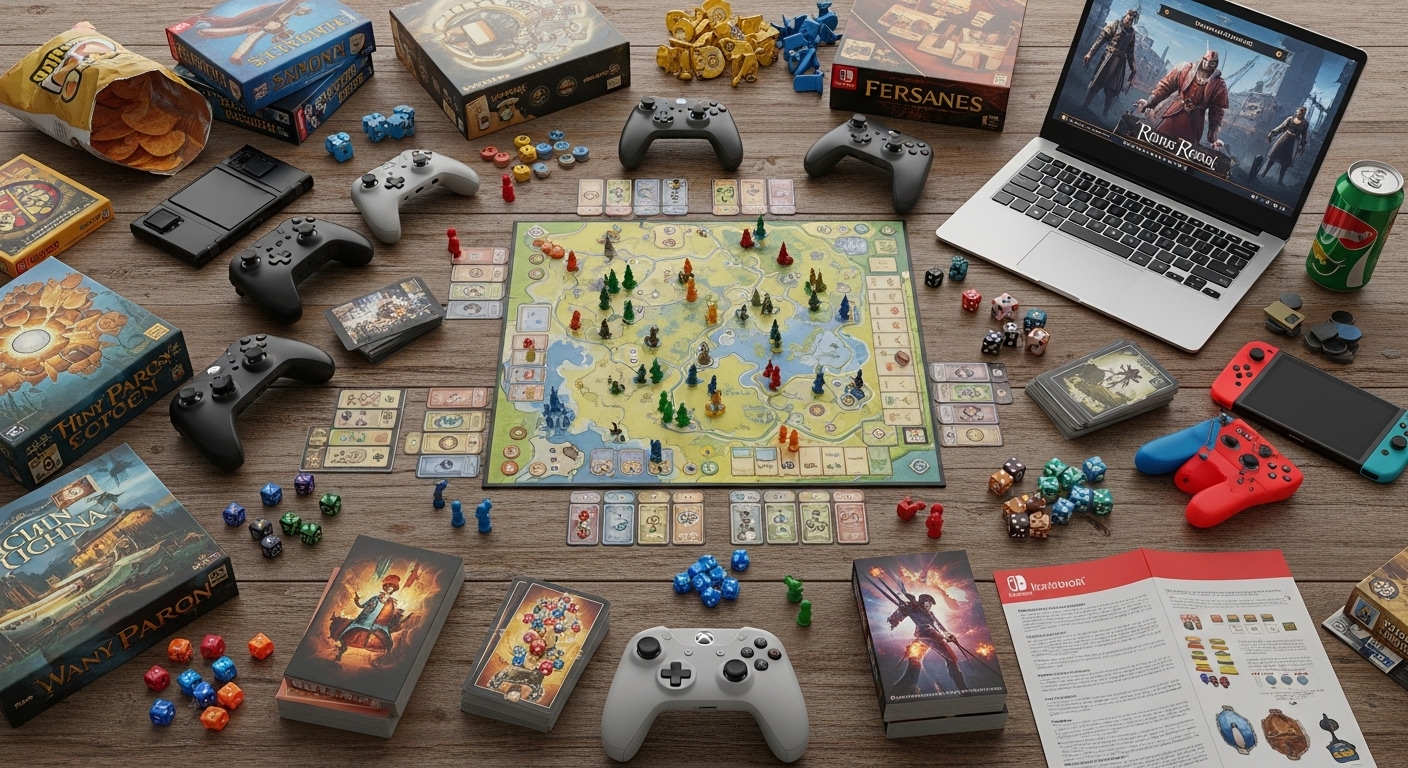
Games have been an integral part of human culture for centuries. From ancient board games to modern digital experiences, they entertain, challenge, and bring people together. Games are not just a pastime—they are a way to stimulate the mind, develop skills, and foster social connections. They provide joy while teaching lessons that extend far beyond the playing field.
The Evolution of Games
Games have evolved remarkably over time. Early games like chess, dice, and checkers focused on strategy and skill. With technological advancements, video games and mobile apps introduced interactive storytelling, immersive graphics, and real-time challenges. Today, games come in countless forms, from traditional outdoor sports to virtual reality adventures, catering to a wide range of interests and ages.
Games as a Source of Entertainment
At their core, games are designed to entertain. They offer excitement, suspense, and engagement, capturing the player’s attention while providing a sense of achievement. Puzzle games challenge logic and reasoning, action games test reflexes, and role-playing games immerse players in captivating stories. Entertainment through games is not passive; it actively engages the mind and body.
Social and Community Benefits
Games are powerful tools for building connections. Multiplayer games allow friends and strangers alike to collaborate, compete, and communicate in meaningful ways. Board games and team-based activities strengthen relationships, encourage cooperation, and create shared memories. In essence, games unite people and foster a sense of community that transcends age, culture, and geography.
Educational Value of Games
Games are also valuable learning tools. Strategy-based games enhance critical thinking and decision-making skills, while simulation games teach real-world concepts like economics, management, and teamwork. Even simple games develop focus, memory, and problem-solving abilities. By blending fun with education, games create an engaging environment for personal growth.
Technology and Modern Gaming
The role of technology in modern games is transformative. Digital platforms, virtual reality, and artificial intelligence create immersive experiences that were once unimaginable. Real-time interaction, high-definition graphics, and adaptive gameplay make modern games more engaging than ever. Technology has expanded the possibilities of gaming, turning it into a versatile medium for entertainment, learning, and social interaction.
Games as a Source of Inspiration
Games inspire creativity, perseverance, and strategic thinking. Players learn to face challenges, adapt to changing situations, and achieve goals. Stories of players overcoming obstacles in competitive gaming or mastering complex strategies encourage others to push their limits and think innovatively. Games demonstrate that dedication and creativity can lead to remarkable achievements.
The Future of Games
The future of games promises innovation and inclusivity. With emerging technologies and diverse gaming formats, more people can participate and enjoy unique experiences. Games will continue to evolve as platforms for entertainment, education, and social interaction. The potential for creative storytelling, immersive experiences, and community building is limitless.
Conclusion
Games are much more than a form of leisure—they are a powerful medium for learning, connection, and inspiration. They entertain, challenge, and bring people together while fostering skills and values that last a lifetime. As games continue to evolve, they will remain an enduring part of human culture, offering endless opportunities for fun, growth, and connection.